PM Surya Ghar Achieves 9.56GW Rooftop Solar Milestone
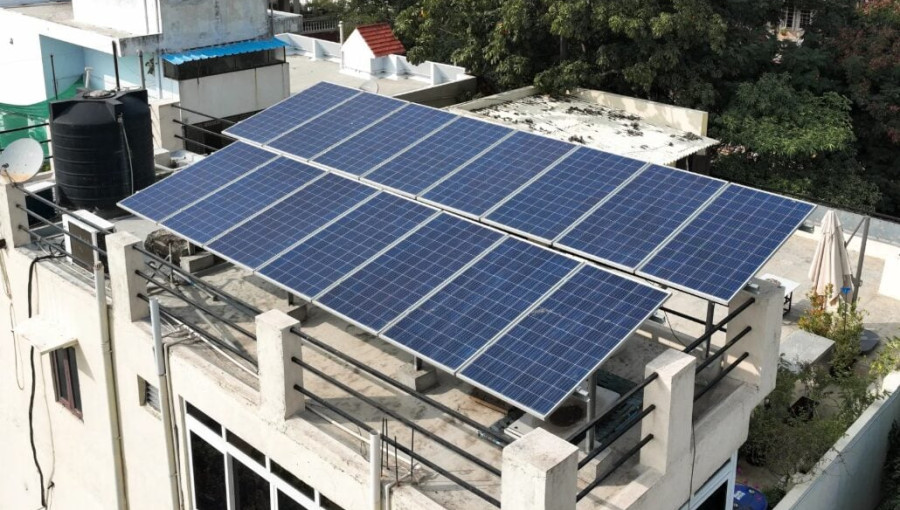
India has achieved a significant milestone in its renewable energy transition, installing 9.56GW of rooftop solar capacity through the PM Surya Ghar Muft Bijli Yojana. Since its inception in early 2024, the initiative has deployed over 2.62 million solar systems, benefiting approximately 3.24 million households nationwide. With an ultimate target of reaching ten million homes, the program aims to generate substantial clean power while fostering massive job creation. Despite early implementation hurdles, streamlined application processes and attractive financing options continue to drive the rapid adoption of solar technology across various Indian states.
Shripad Yesso Naik, the Minister of State for New and Renewable Energy (MNRE), recently provided these updates to the Lok Sabha, India’s lower house of parliament. The PMSGMBY serves as a cornerstone of the nation's strategy to decentralize power generation, with the government projecting that the scheme will eventually produce 1,000 billion units of renewable electricity. Beyond energy security, the initiative is expected to stimulate the labor market significantly, with estimates suggesting the creation of up to 1.7 million jobs as the rollout gains momentum.
While the program has seen impressive growth, it has faced several obstacles, including high initial investment costs, maintenance requirements, and a lack of awareness in rural regions. To address these issues, the government introduced a centralized national portal to manage subsidy disbursements directly to consumers. Application procedures have been drastically simplified; for instance, technical feasibility requirements are now waived for systems up to 10kW, and net metering agreements are integrated into the initial application process to minimize administrative friction.
To make solar technology more accessible to the average homeowner, nationalized banks are providing collateral-free loans at competitive rates—currently set at the repo rate plus 50 basis points, or roughly 5.75% per annum—with repayment periods extending up to a decade. The government is also diversifying implementation models by involving renewable energy service companies (RESCO) and utility-led aggregators. To support this expanding infrastructure, nationwide training programs are underway to build a skilled workforce capable of installing and maintaining millions of new solar modules and solar panels.
Regional data highlights a significant disparity in adoption rates across the country. Gujarat remains the clear leader in the sector with 6.67GW of rooftop solar capacity, followed by Maharashtra at 5.22GW and Rajasthan at 2.07GW. Conversely, smaller states and territories such as Meghalaya, Nagaland, and Lakshadweep currently show much lower installation figures, ranging from 0.21MW to 1.6MW. The MNRE continues to work closely with state governments and distribution companies (DISCOMs) to ensure more balanced growth and to address localized regulatory hurdles.