Prologis Transforms Warehouse Rooftops Into Community Solar Hubs
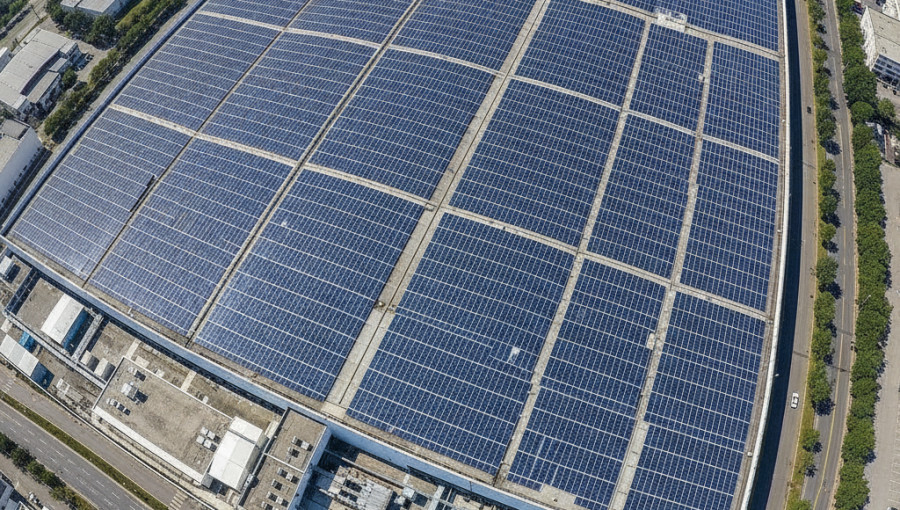
Logistics giant Prologis is transforming vast warehouse rooftops into community solar hubs, turning underutilized urban space into clean energy generators. A recent 720-kilowatt installation in Oakland, California, exemplifies this shift, feeding power directly into the grid to provide low-income households with guaranteed utility bill savings. By leveraging flat, expansive commercial roofs, companies are bypassing the land-use conflicts associated with ground-mounted solar farms. As electricity demand surges due to data centers and electrification, industry experts argue that these rooftop arrays offer a faster, more efficient way to bolster local grid capacity without requiring new transmission infrastructure.
While the potential for commercial rooftop solar is immense—with federal data suggesting U.S. industrial buildings could host hundreds of gigawatts of capacity—widespread adoption remains tied to state-level policy. Currently, community solar programs are limited to specific states like Illinois, Maryland, and New Jersey, where regulations are increasingly incentivizing the use of existing built environments over open land. These programs allow real estate owners to monetize unused roof space, effectively turning energy complexity into reliable rental income while simultaneously addressing the "split-incentive" problem where building owners previously lacked the motivation to invest in solar for their tenants.
Despite the benefits, progress is uneven. In California, for instance, regulators have maintained strict limitations on community solar, citing concerns over costs compared to large-scale utility projects. Proponents argue this perspective overlooks the broader value of distributed generation, such as reduced transmission needs and the ability to provide direct economic relief to disadvantaged urban communities. As more states establish ambitious targets for distributed solar, the integration of battery storage with warehouse-based arrays is expected to further enhance grid stability, helping urban centers manage peak power demands while delivering clean energy to those who need it most.