Public Parks Deliver Significant Economic And Climate Resilience Benefits
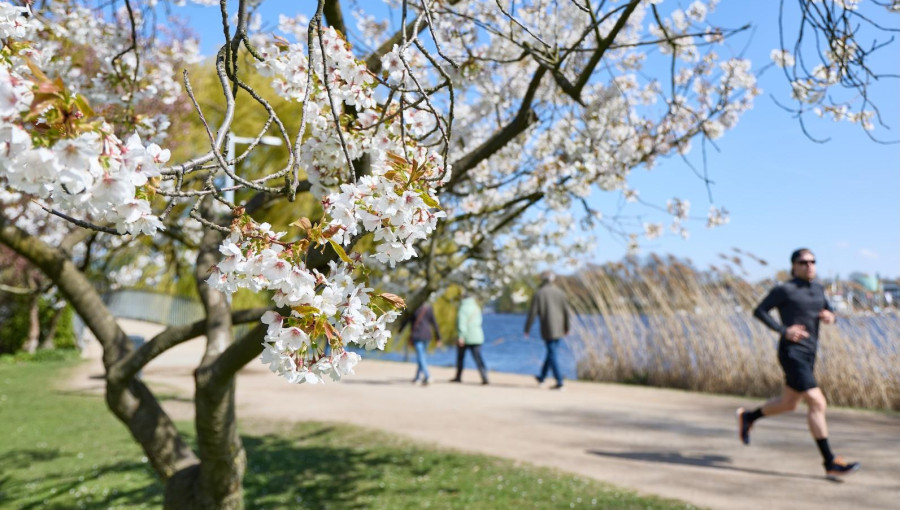
A new report from the Trust for Public Land highlights that public parks serve as vital economic engines for American cities, generating three dollars in local benefits for every dollar invested. Beyond their role as essential community infrastructure, parks provide significant public health savings by encouraging physical activity and reducing healthcare costs. These green spaces act as critical "third places" that foster social connection and mental well-being. Furthermore, they support local businesses, boost property values, and offer practical climate resilience by managing stormwater runoff and mitigating urban heat, proving that parks are a multifaceted solution for local leaders.
The economic impact of parks extends well beyond simple recreation. By attracting visitors who frequent nearby small businesses and restaurants, these spaces stimulate local commerce. Major green spaces, such as the Florida Gulf Coast Trail, are projected to generate hundreds of millions of dollars in economic activity. Additionally, the proximity of residential areas to parks often leads to increased property values, which strengthens the local tax base and allows municipalities to reinvest in further community improvements. These financial gains demonstrate that parks are a sound investment rather than merely a public expense.
Public health outcomes are equally compelling, as parks offer a free alternative to private gyms, helping to combat the high costs associated with physical inactivity. Research indicates that regular access to green spaces can save individuals approximately $2,000 annually in healthcare costs. By providing a venue for exercise and social interaction, parks help address the public health crisis of loneliness and chronic disease. This accessibility is particularly important for elderly residents and those on fixed incomes, ensuring that high-quality, commerce-free environments remain available to all members of the community.
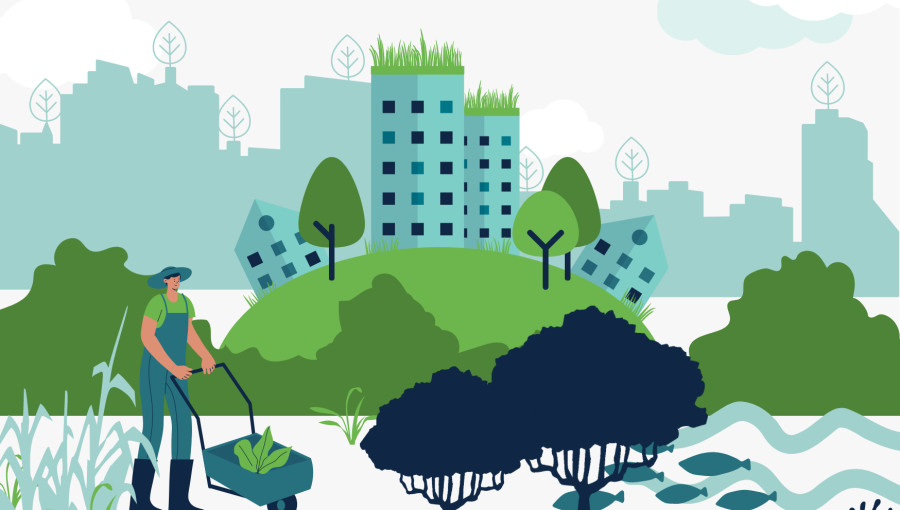
Finally, parks play a crucial role in urban climate adaptation. As cities face more intense rainfall, green spaces serve as natural infrastructure that absorbs excess water, reducing the burden on sewer systems and preventing costly flood damage. Integrating green elements into urban planning, such as pocket gardens in dense housing developments or agricultural-focused communities, helps lower urban temperatures. By addressing mental health, economic growth, and climate resilience simultaneously, parks represent a highly effective, often overlooked strategy for city officials to improve the quality of life for their residents.