Qnetic Begins Manufacturing Long Duration Flywheel Batteries
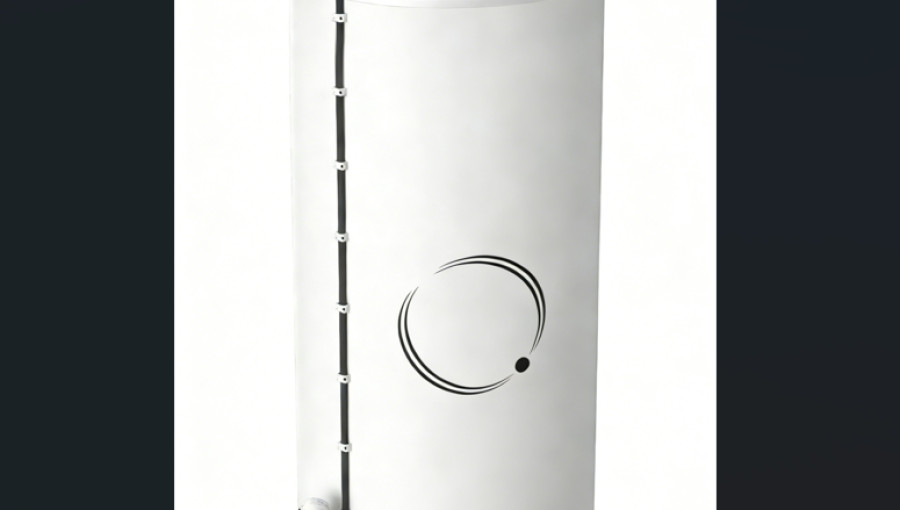
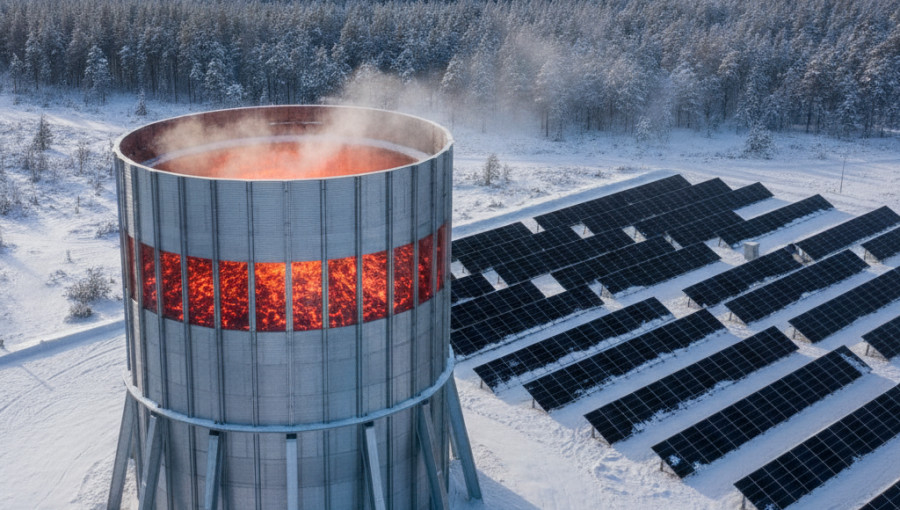
New York-based energy storage startup Qnetic is transitioning to the manufacturing phase for its innovative flywheel technology. The company is currently equipping a production facility in Sacramento, California, to produce the Q500, a solid-state mechanical battery designed for grid-scale applications. Unlike traditional short-duration flywheel systems, Qnetic’s technology focuses on long-duration energy storage. Backed by recent successful crowdfunding and venture capital, the company plans to deploy its first units for field testing and utility validation by 2026, targeting a total funding goal of $20 million to scale its global operations.
Qnetic has officially begun outfitting its Sacramento factory to initiate low-volume production of its alpha prototype, the Q500. This move follows a strong financial performance in 2025, during which the company secured significant capital through equity crowdfunding and private investment. The Q500 represents a shift in mechanical energy storage, moving away from high-power bursts toward sustained, long-duration energy delivery.
CEO Michael Pratt detailed the Q500's capabilities, noting a target specification of 500 kWh capacity and 125 kW power output. The system is designed to provide four hours of discharge at maximum power, with the potential to extend up to 12 hours at lower output levels. Initial units will operate at a reduced capacity of 100 to 200 kWh as the company gathers performance data to safely increase rotor speeds and confirm full capacity.
The startup’s roadmap includes the future Q1 model, which will build upon the patented architecture of the Q500. Qnetic’s design philosophy prioritizes high energy capacity and moderate power, making it more suitable for grid stability than traditional flywheel energy storage systems (FESS), which typically focus on short-duration applications. According to the company, this makes their solid-state mechanical battery a more grid-friendly alternative for balancing renewable energy loads.
Financial momentum for the startup is growing. A recent crowdfunding campaign raised $2.1 million, contributing to a total of $7.1 million raised over the past year. To date, Qnetic has secured $9.2 million from sources including Saudi Arabian investors and the venture capital firm SOSV. A new $5 million funding round was recently launched to support the company’s 2026 development goals, with a long-term target of $20 million. The company opted for a public offering model to increase market awareness and allow retail investors to participate in the growing energy storage sector.
Beyond its California manufacturing site, Qnetic maintains a global footprint with facilities in Shanghai, Singapore, and Germany. The Shanghai Technology Center is currently testing the Q500 alongside an earlier prototype, the Vega. In Europe, the company is collaborating with Bürgerwindpark Janneby in Germany to validate its grid-scale solutions. Domestic efforts include partnerships with the National Lab of the Rockies and the Electric Power Research Institute (EPRI) to conduct formal assessments of the technology across various utility use cases.
Looking ahead, Qnetic aims to deploy evaluation units with major US utilities by 2026 or 2027. These field tests will provide critical data for independent power producers and utilities, with research partners scheduled to publish comprehensive results to help accelerate the adoption of long-duration mechanical energy storage in the transition to renewable energy.