Revolutionary Floating Solar Tracker Launches in Colorado

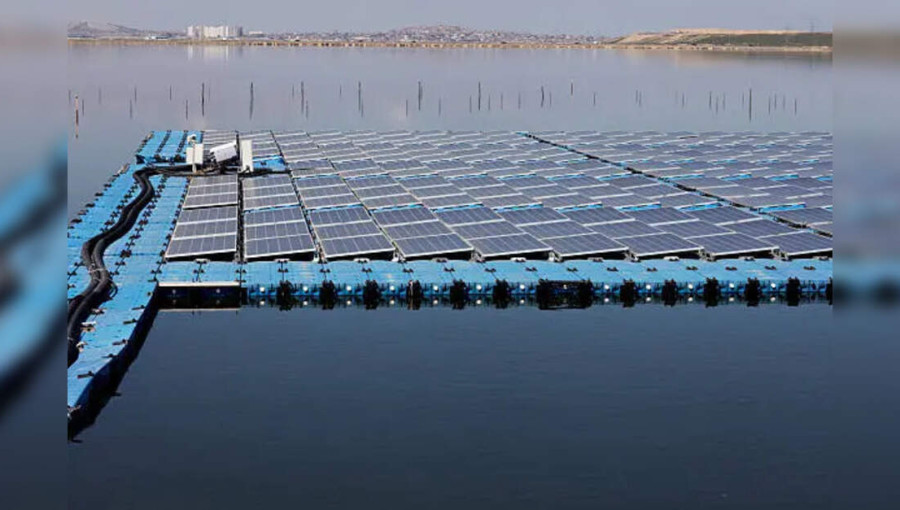
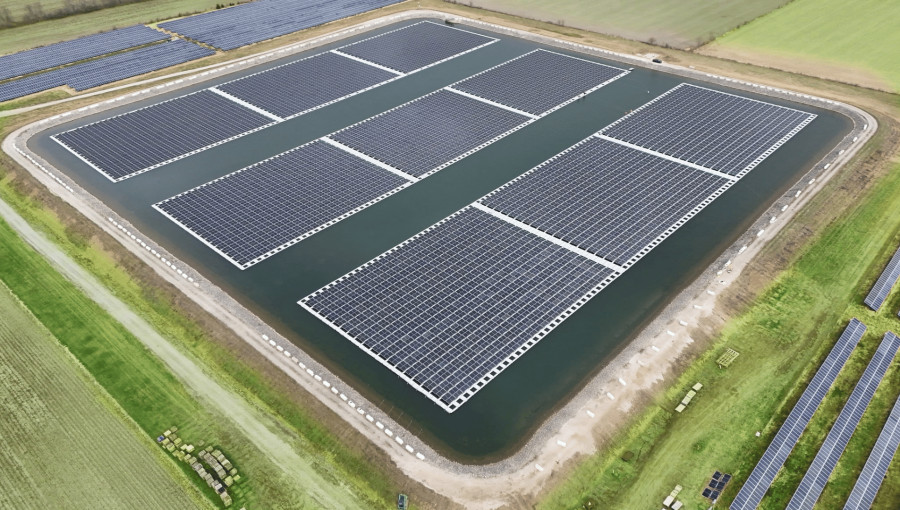
Colorado is set to launch the first floating solar tracker project in the United States, initiated by Noria Energy. The pilot, named Aurea Solar, will feature a 50 kW floating array at the Fairmount Reservoir, aimed at powering local water utility operations. Utilizing Noria's innovative AquaPhi technology, the solar panels will follow the sun, enhancing energy output by 10-20%. This project highlights the dual benefits of floating solar—producing renewable energy while conserving water through reduced evaporation.
Noria Energy has begun construction on Aurea Solar, the inaugural floating solar tracker project in Golden, Colorado. This pioneer effort will feature a 50 kW installation utilizing tracking technology to enhance efficiency at the Fairmount Reservoir for local water utility operations. The array will power pumps that regulate water supply for the Consolidated Mutual Water Company's (CMWC) customers, addressing both energy generation and water conservation.
The AquaPhi system, developed by Noria, allows the solar islands to rotate and follow the sun, unlike traditional static floating solar arrays. This movement is projected to boost energy output by 10-20%, showcasing innovative possibilities in renewable energy generation. Furthermore, AquaPhi can be incorporated into new installations or retrofitted onto existing floating solar systems.
Floating solar technology is attracting attention due to its economical advantages and space-saving benefits. It allows water utilities to harness renewable energy while mitigating water loss through evaporation. The Golden pilot represents a significant advancement in this area, demonstrating that reservoirs can simultaneously produce clean energy and serve as water conservation measures.
Scheduled to operate in September 2025, the project aims to contribute to CMWC's mission of providing safe and reliable water to over 100,000 customers in the greater Denver area. Jarod Roberts, CMWC’s chief of water resources, expressed optimism about the project's potential to enhance energy production and water supply efficiency. The collaboration with GRID Alternatives, a nonprofit organization focusing on renewable energy access and training, highlights a community-oriented approach to sustainable energy solutions.
As the floating solar tracker initiative progresses, it could serve as a model for similar projects across the country, further integrating renewable energy solutions into existing infrastructure and transforming the way water utilities operate in the landscape of energy and resource management.
https://electrek.co/2025/08/27/first-us-floating-solar-tracker-pilot-colorado/