Scientists Turn Phone Waste Into Sodium Ion Batteries
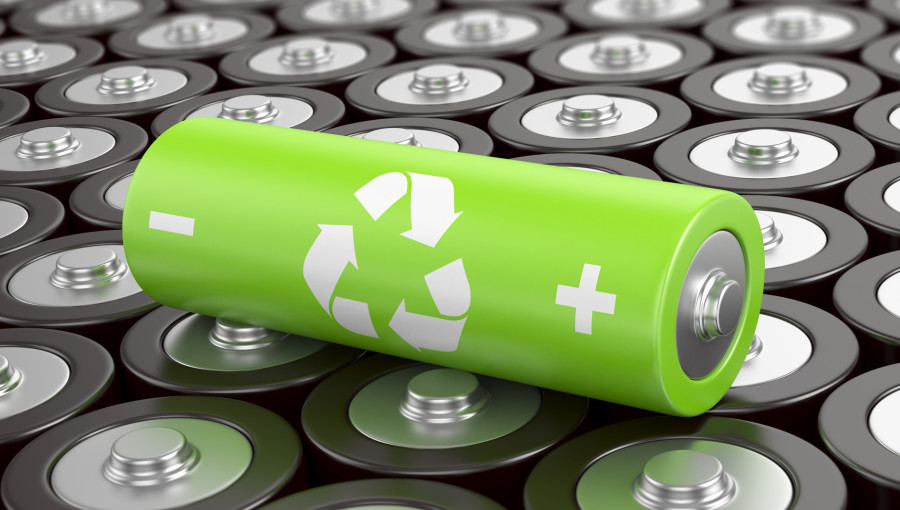
Researchers in China have successfully developed a high-performance sodium-ion battery anode by recycling discarded mobile phone batteries and industrial lignin waste. This "waste-to-waste" approach addresses the environmental challenges of electronic and biomass waste while providing a cost-effective alternative to lithium-ion batteries. The resulting material features a unique honeycomb structure that enhances conductivity and structural stability, maintaining impressive energy storage capacity over 300 charge-discharge cycles. This innovation marks a significant step toward sustainable energy storage solutions for electric vehicles and large-scale power grids.
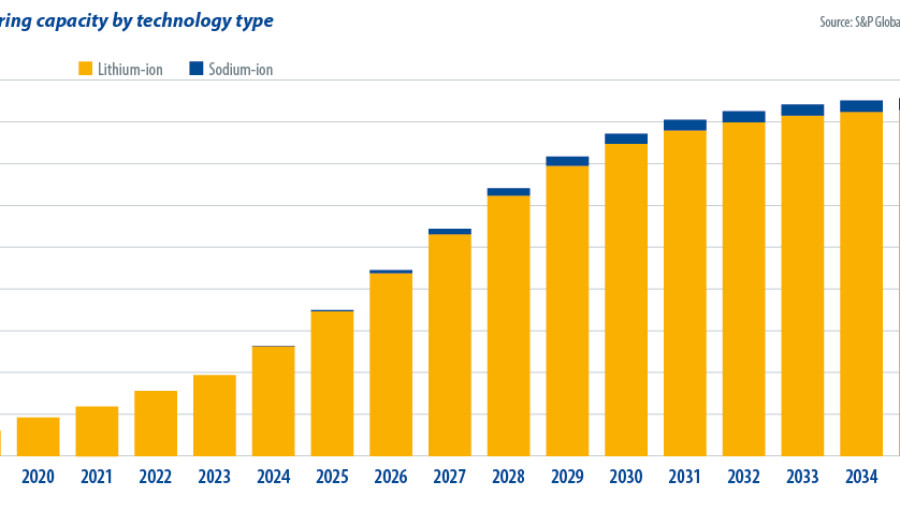
As the global demand for energy storage grows, scientists are increasingly looking for alternatives to lithium-ion systems, which rely on expensive and relatively scarce materials. Sodium-ion batteries have emerged as a frontrunner due to the abundance and low cost of sodium. However, the commercial transition has been hindered by the poor cycling stability and limited rate performance of existing anode materials. To overcome these hurdles, a research team from Henan Normal University and Qilu University of Technology has pioneered a method to synthesize functional battery components from common industrial and electronic waste.
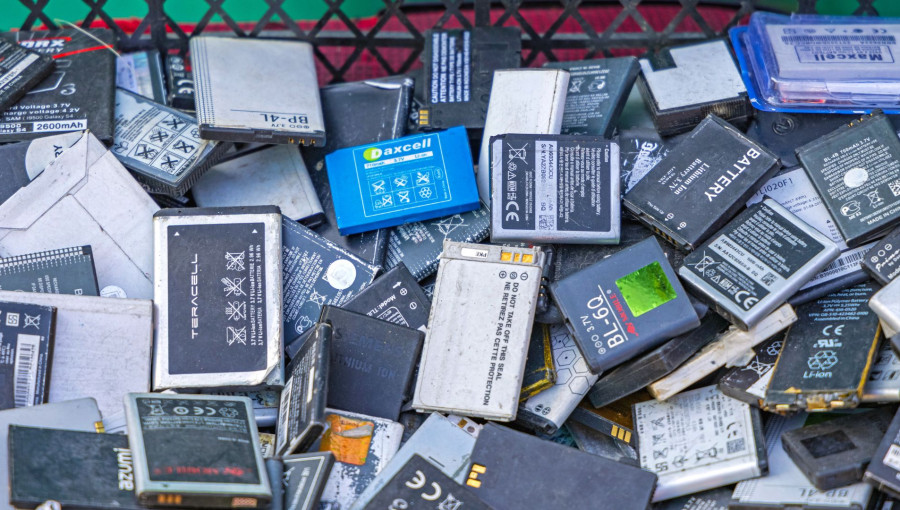
The researchers developed a specialized composite material, designated as NiCo₂S₄/Co₉S₈@LC50, by combining metals recovered from spent Nokia phone batteries with carbon derived from lignin. Lignin is a complex organic polymer generated in massive quantities as a byproduct of the paper and biomass industries, much of which is currently discarded or burned. By integrating these two waste streams, the team created a dual-sulfide structure encapsulated within a lignin-derived carbon matrix.
The synthesis process involved extracting and synthesizing NiCo₂S₄ through a hydrothermal method, followed by the purification of industrial lignin. This mixture underwent alkaline treatment and carbonization under a nitrogen atmosphere. The resulting material exhibited a mesoporous honeycomb-like architecture. This specific structure is critical for battery performance, as it facilitates better electrolyte access and accelerates the movement of sodium ions within the electrode during operation.
Electrochemical evaluations revealed that the optimized material possesses significant storage capabilities. It delivered an initial discharge capacity of 1,062.8 mAh g⁻¹ and maintained a capacity of 207 mAh g⁻¹ even after 300 cycles at 0.5 A g⁻¹. Computational modeling and impedance analysis further confirmed that the heterostructure of the material improves electronic conductivity and facilitates more efficient charge transfer compared to standard materials.
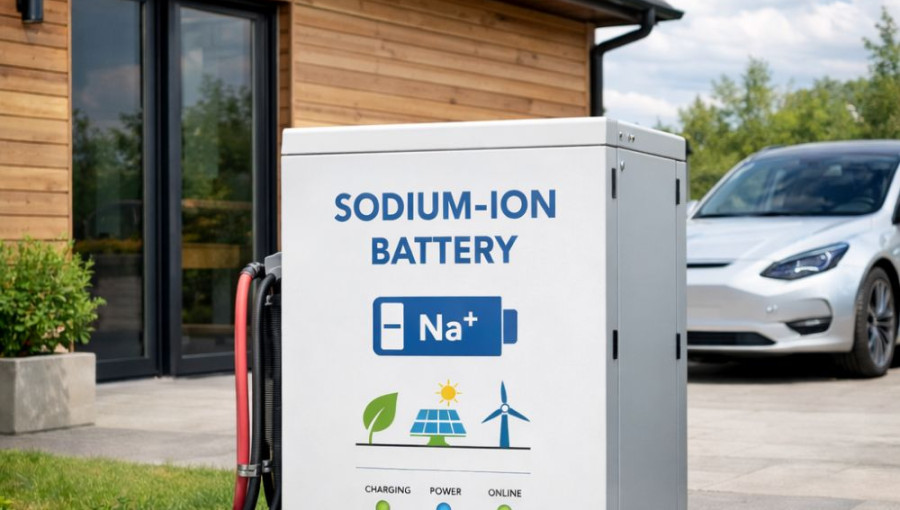
This research, recently published in the journal Biochar X, highlights the potential for a circular economy within the battery manufacturing sector. By transforming hazardous electronic waste and underutilized industrial byproducts into high-value energy storage components, the industry can reduce its environmental footprint while lowering production costs. The researchers believe this approach could eventually support the mass production of greener batteries for portable electronics, electric vehicles, and renewable energy grid storage.