Sodium Ion Batteries Poised For Commercial Breakthrough By 2026
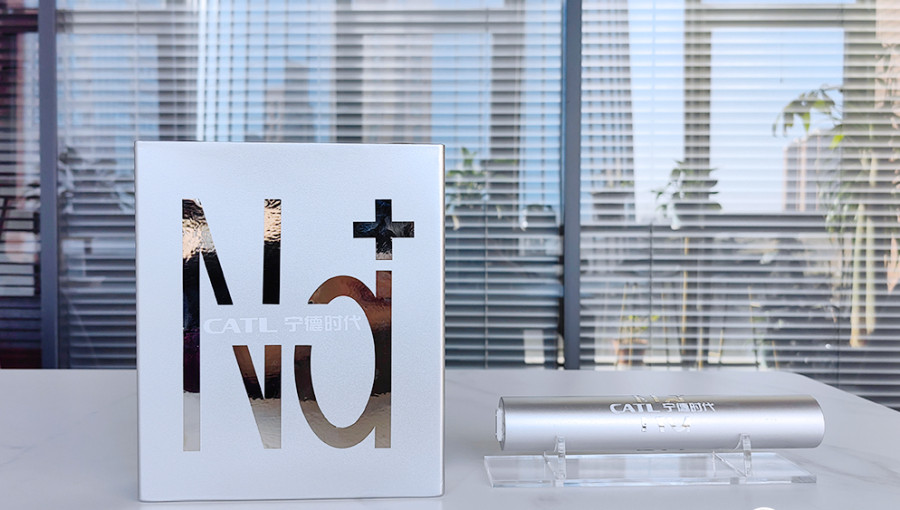
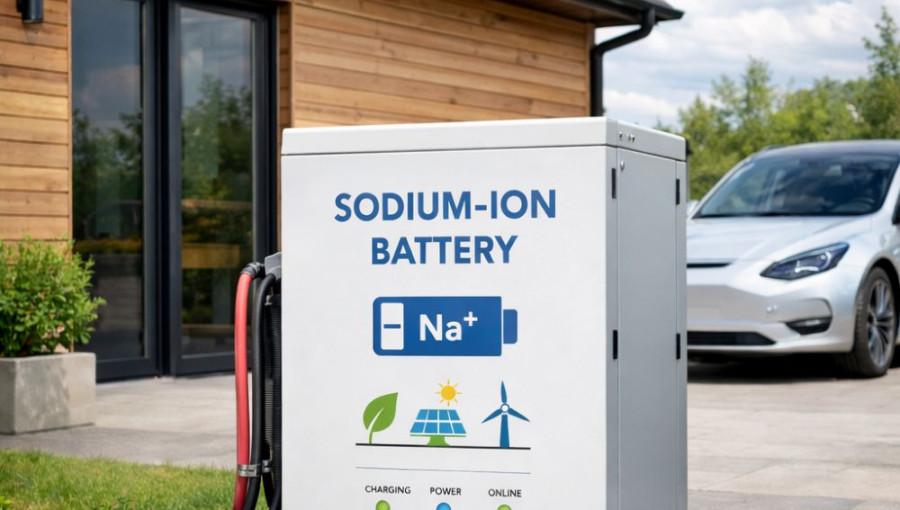
The energy storage sector is poised for a significant transformation as sodium-ion battery technology moves from pilot projects to large-scale commercial deployment. Industry experts and major manufacturers, including CATL, anticipate that 2026 will be a landmark year, with sodium-ion batteries reaching price parity with lithium iron phosphate (LFP) alternatives. By overcoming historical challenges related to energy density and manufacturing, the industry is scaling production rapidly. This shift is supported by maturing supply chains and falling costs for critical components like hard-carbon anodes, positioning sodium-ion technology as a vital, high-performance complement to existing lithium-based energy storage solutions.
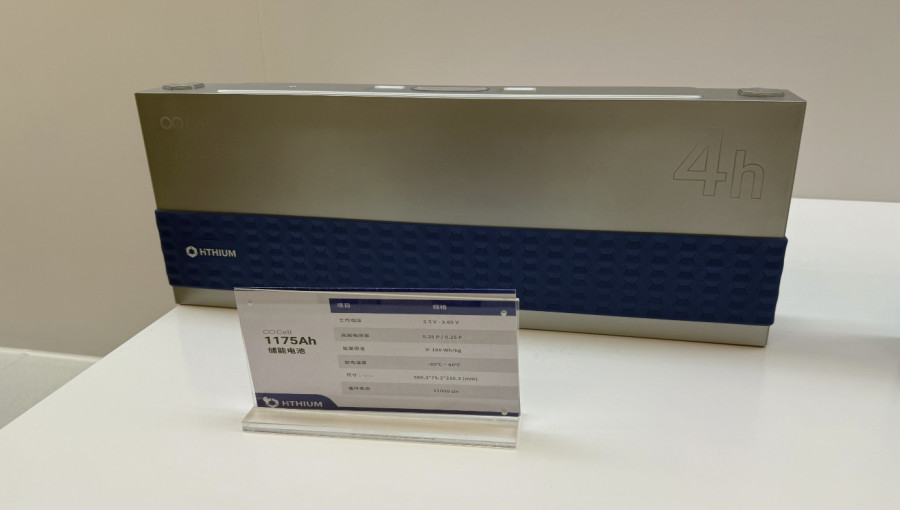
CATL is currently leading this transition, with plans to deliver its initial batch of sodium-ion energy storage systems this September. The company expects annual shipments to hit the gigawatt-hour scale as the technology enters a phase of comprehensive productization. Technical hurdles, such as moisture sensitivity in hard-carbon electrodes and gas generation, have been addressed through refined electrochemical modeling. These advancements have resulted in batteries that offer exceptional temperature adaptability and a robust cycle life of 15,000 cycles, making them increasingly viable for demanding commercial applications.
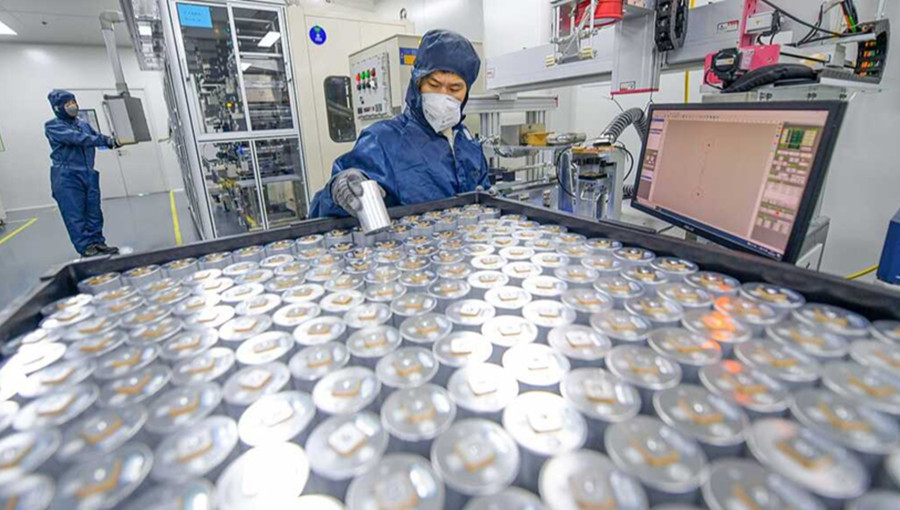
The broader supply chain is also scaling up to meet this demand. Ronbay Technology, a key cathode material manufacturer, is aggressively expanding its production capacity, drawing parallels between the current growth of sodium-ion technology and the rapid rise of LFP batteries in 2020. Simultaneously, the cost of hard-carbon anodes is projected to decline significantly, dropping from current levels of 60,000–70,000 yuan per ton to under 25,000 yuan in the long term. These cost reductions, combined with optimized manufacturing processes, are central to achieving price competitiveness with lithium-ion systems by late 2026.
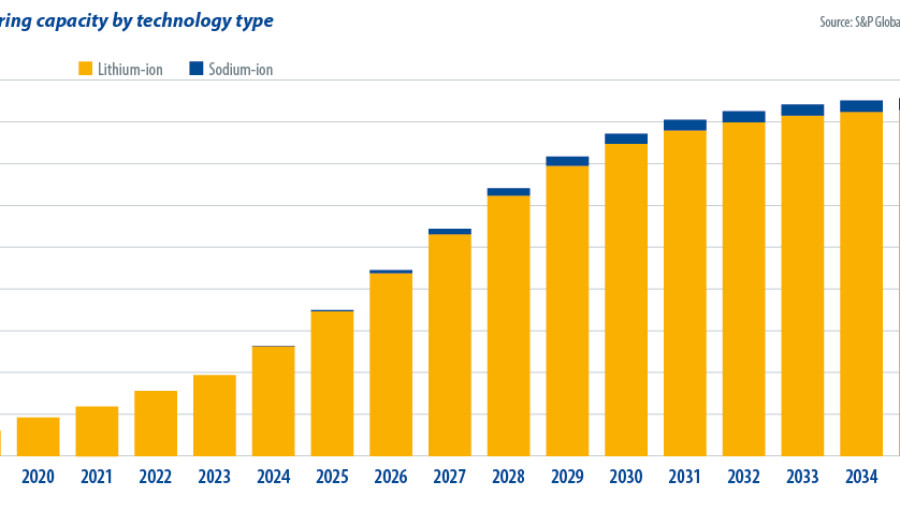
Rather than fully replacing lithium-ion technology, sodium-ion batteries are expected to carve out specific market niches where their unique properties provide a distinct advantage. Their superior performance in cold climates and high-altitude environments, along with high-rate charging capabilities, makes them ideal for grid frequency regulation and light electric vehicle applications. Market analysts at SPIR suggest this dual-technology landscape will continue to evolve, with global energy storage demand for sodium batteries potentially reaching 580 GWh by 2030, while automotive applications could account for an additional 410 GWh.