Solar Farms Found To Heal Desert Ecosystems
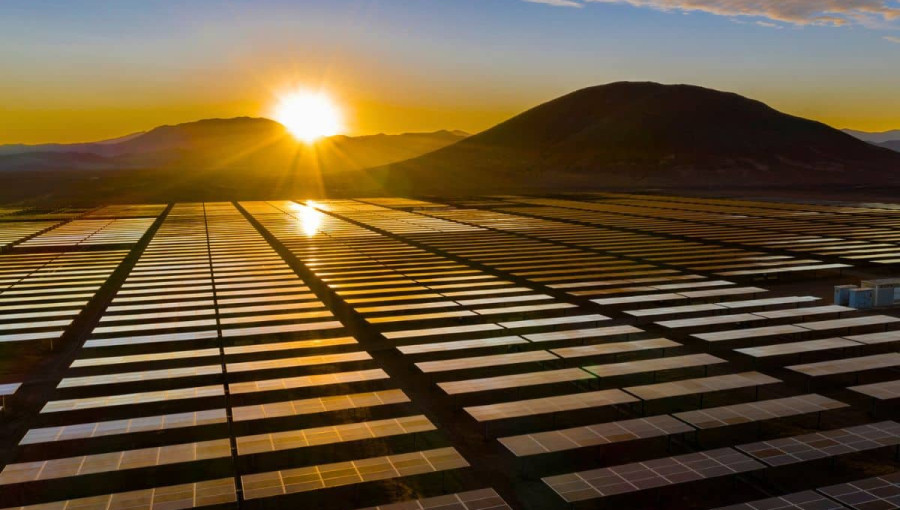
A groundbreaking study from China suggests that large-scale solar farms can do more than produce clean energy; they can actively restore desert ecosystems. Research conducted at a massive photovoltaic park in the Talatan Desert revealed that solar panels improve soil quality, foster plant growth, and create cooler, more humid microclimates. This discovery challenges the conventional view of solar installations, indicating they could serve a dual purpose: combating climate change through renewable power generation while simultaneously reviving arid landscapes and boosting biodiversity in some of the world's most fragile environments.
While solar power has long been considered a cornerstone in the global fight against climate change, a pioneering study from China reveals an unexpected secondary benefit: these installations can breathe new life into arid ecosystems. The research demonstrates that beyond generating electricity, extensive solar farms can fundamentally alter their surroundings by improving soil composition, encouraging vegetation, and even modifying the local climate. These findings could reshape the strategy for deploying renewable energy projects in concert with environmental restoration.
A team from Xi’an University of Technology focused their investigation on the one-gigawatt Gonghe Photovoltaic Park in Qinghai Province, a facility spread across what was once barren land. Employing the DPSIR framework to evaluate environmental shifts, the scientists analyzed 57 different ecological indicators, including soil chemistry, humidity, temperature, and biodiversity. Their goal was to measure the precise impact of the solar farm on its immediate environment.
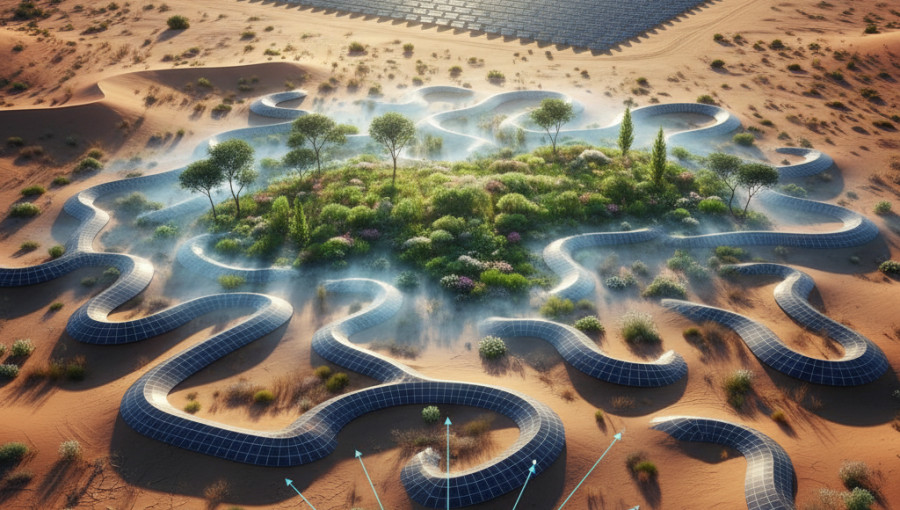
The results were remarkable. Far from harming the delicate environment, the vast array of solar panels was found to be facilitating ecological restoration. The study quantified this effect, assigning a general ecological health score of 0.4393 to the soil directly beneath the panels. This was significantly higher than the score for transitional zones (0.2858) and the untouched surrounding desert, which scored the lowest at 0.2802. This transformation is attributed to the shade cast by the panels, which lowers surface temperatures, reduces water evaporation, and helps retain moisture in the soil—creating conditions where plant life and vital microorganisms can flourish.
This research challenges the perception of deserts as lifeless landscapes, suggesting that with the right intervention, they can become hubs of ecological recovery. At the Gonghe facility, the photovoltaic installation effectively redistributed energy, creating cooler, humid microclimates that supported new vegetation and increased biodiversity. The study presents a compelling case that large solar farms can be designed not only to power our world but also to help heal it.
Despite these optimistic findings, the researchers caution that long-term observation is essential. Further studies are needed to understand the decades-long effects of solar farms on regional water cycles, wildlife migration, and weather patterns. They also highlight that careful site selection is critical, as each desert ecosystem is unique. The positive effects seen in one location may not be replicable everywhere. Nevertheless, this study marks a significant step forward, showing that the technology built to combat climate change may also hold the key to restoring some of the planet's most vulnerable lands.