Solar Integrated Vehicles Could Revolutionize European Energy Efficiency
The Fraunhofer Institute for Solar Energy Systems (ISE) is exploring a novel approach to easing pressure on Europe’s power grid: Vehicle Integrated Photovoltaics (VIPV). While the concept of solar-powered cars has historically faced skepticism regarding efficiency and commercial viability, the European research project "SolarMoves" suggests that integrating solar modules into vehicle surfaces could significantly lower electricity demand. By generating power directly where it is consumed, these vehicles could reduce reliance on external charging infrastructure, with research indicating that passenger cars in Southern Europe could potentially generate up to 80 percent of their annual energy needs.
The SolarMoves project, a collaboration involving TNO, Fraunhofer ISE, Sono Motors, IM Efficiency, and Lightyear, analyzed data from 23 vehicle types, including compact cars and heavy-duty trucks. Researchers equipped vehicles with sensors to track performance across 1.3 million kilometers of driving. The findings suggest that integrating solar modules into roofs, hoods, and side panels offers a practical way to decarbonize transportation without requiring additional land or new grid infrastructure. For passenger vehicles, the study highlights that larger surface areas, such as those on SUVs, provide the most significant energy generation potential.
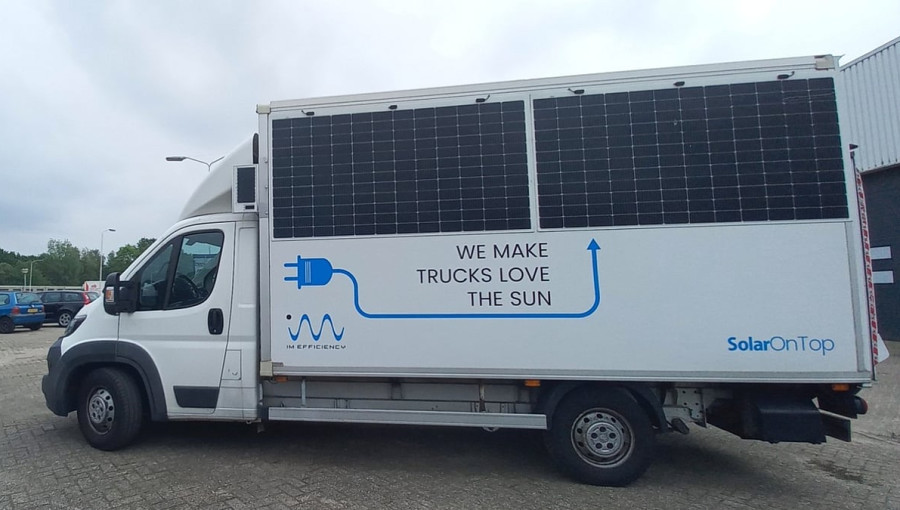
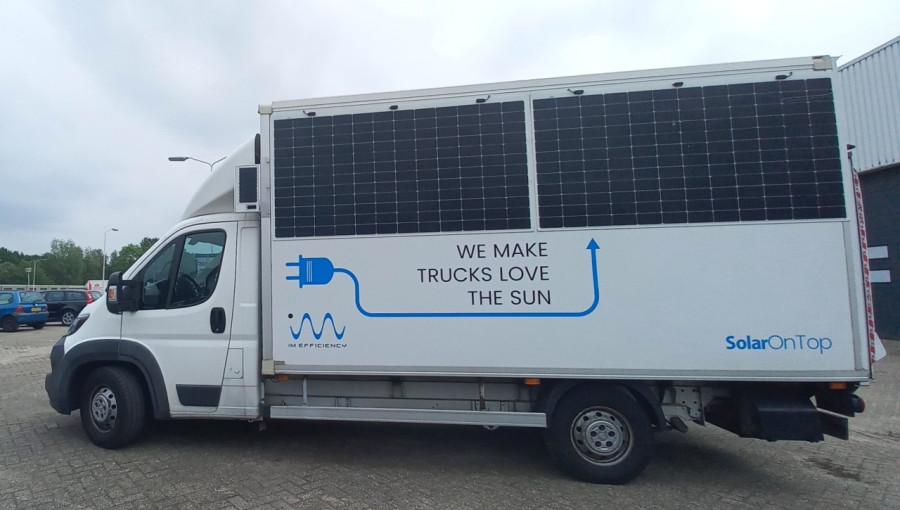
The research team identified the logistics sector as a particularly promising application for this technology. For electric trucks, VIPV integration can extend daily driving ranges by up to 15 percent. Furthermore, for truck trailers, solar panels on roofs and side walls can generate enough electricity to power auxiliary systems like cooling or hydraulics entirely emission-free. The researchers estimate that for diesel trucks, the fuel savings from powering these systems with solar energy could allow the initial investment costs for the solar modules to be recouped in less than two years.