Spain Bolsters Renewable Energy With New Community Projects
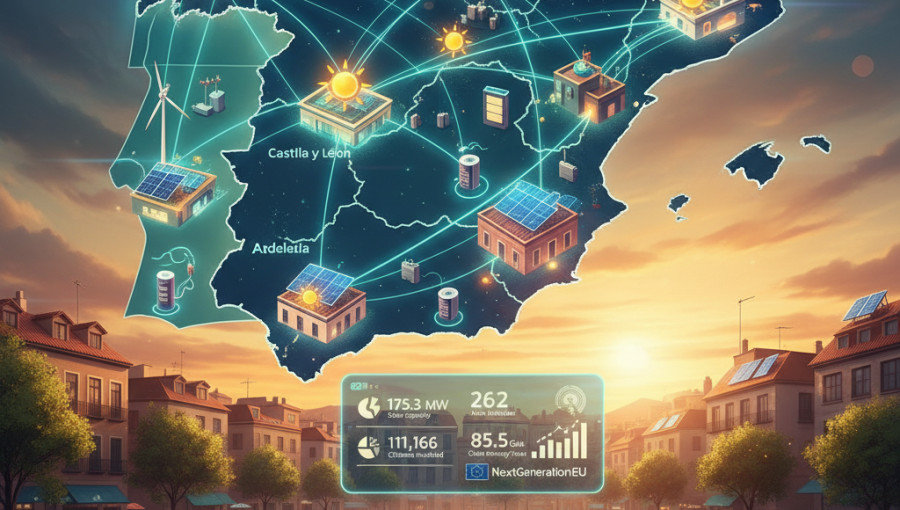
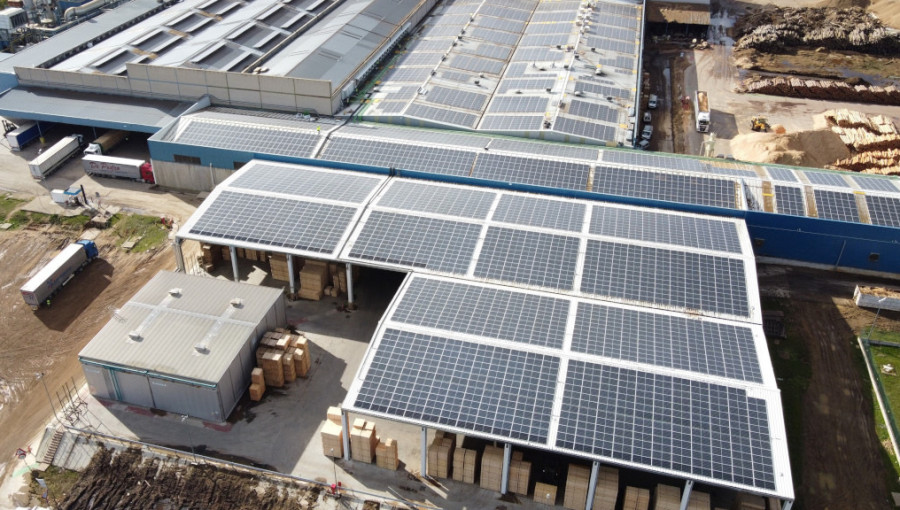
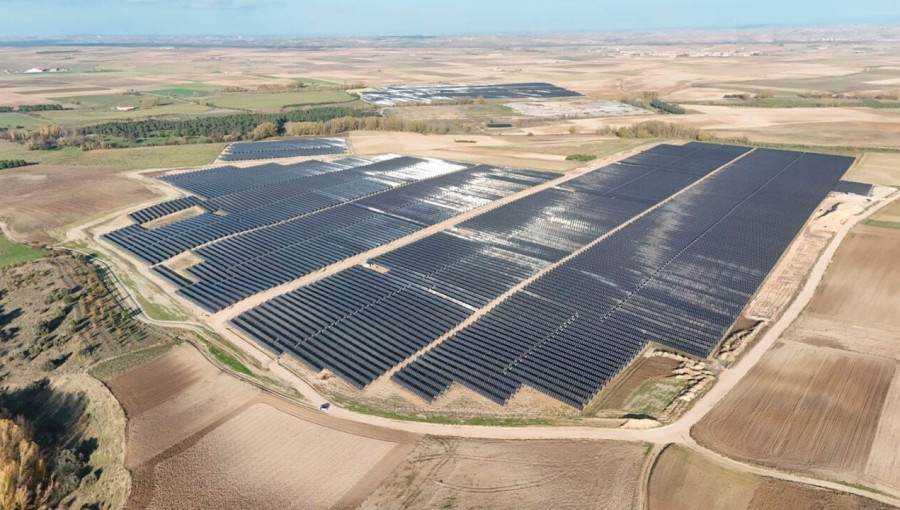
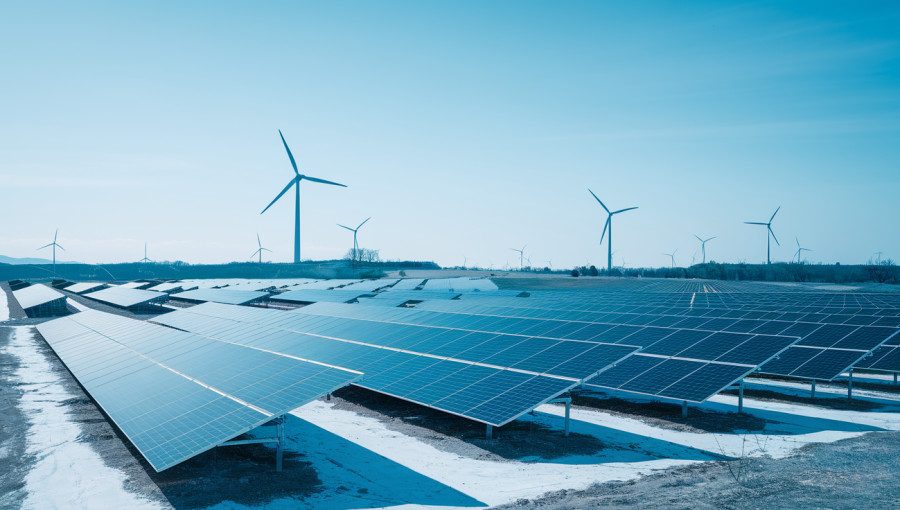
Spain has significantly bolstered its renewable energy landscape by integrating 20 new projects into its national energy community programme, bringing the total to 262 active initiatives. Supported by €108.4 million in EU recovery funds, these community-led projects represent a combined 175.3 MW of solar capacity. Beyond power generation, the program emphasizes social participation, involving over 111,000 citizens in efforts that span energy efficiency, storage, and electric mobility. This expansion reflects Spain's commitment to a decentralized, citizen-centric energy transition, particularly in regions like Catalonia and Andalusia, which currently lead the national rollout.
The Spanish Ministry for the Ecological Transition and the Demographic Challenge (MITECO) has announced a fresh wave of support for the country’s burgeoning energy community sector. By incorporating 20 new pilot and early-stage projects into its existing framework, the government is accelerating the deployment of decentralized energy solutions. These initiatives are fueled by the Recovery, Transformation and Resilience Plan (PRTR), utilizing €108.4 million in funding backed by the European Union’s NextGenerationEU initiative.
In addition to project funding, MITECO is expanding its administrative infrastructure through the Offices for Energy Community Transformation (OTC). A public consultation is currently underway for a second funding round for these offices, which provide essential technical and legal guidance to local groups. The OTC network has already established 74 advisory centers across the country. A new budget of €10 million has been allocated to further this support network, following an initial mobilization of €18.4 million.
The geographic distribution of these communities shows significant regional variation. Catalonia remains the frontrunner with 72 projects, followed by Castilla y León with 40 and Andalusia with 34. Other regions, including the Basque Country, Valencia, and Galicia, maintain a steady presence with nearly 20 projects each. While some areas like the Balearic Islands and La Rioja currently host only a single project, the nationwide reach of the program continues to grow.
Technologically, the projects are diverse. While solar photovoltaic generation is the primary focus, 124 initiatives incorporate energy efficiency and demand-side management. Furthermore, 95 projects include sustainable mobility components, such as the installation of 420 EV charging stations and the deployment of 45 electric vehicles. The collective impact is substantial, with a total photovoltaic capacity of 175.3 MW and an estimated annual energy production of 85.5 GWh.
At its core, Spain's energy community model prioritizes social equity and local engagement. Managed largely by cooperatives and municipal organizations, these projects involve approximately 111,166 individual members. By focusing on collective self-consumption and renewable heat solutions—including aerothermal and biomass systems—these communities are transforming citizens from passive consumers into active participants in the national energy transition.