Toyo Solar Denies Allegations Of Evading US Trade Duties
Toyo Co. is challenging a recent anti-circumvention petition filed by the Alliance for American Solar Manufacturing and Trade (AASMT), which alleges the company evades US solar duties through its Ethiopian operations. Toyo’s Chief Strategy Officer, Rhone Resch, dismissed the claims as inaccurate and misleading, asserting that the company remains fully compliant with trade regulations. Toyo maintains that its Ethiopian facility exclusively uses polysilicon sourced from the United States and Malaysia. Meanwhile, the manufacturer is expanding its footprint in the United States, with plans for a new domestic solar cell plant to meet growing demand for high-efficiency, n-type products.
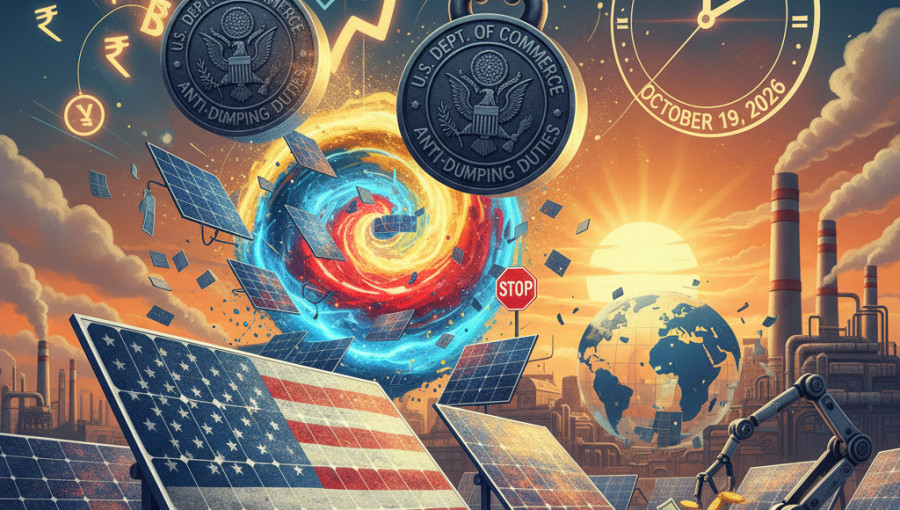
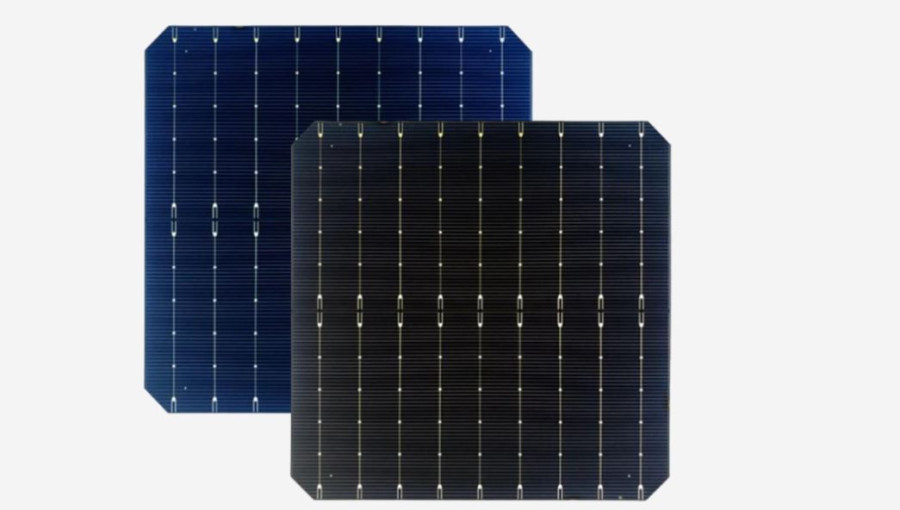
The AASMT petition, supported by eight US-based solar manufacturers, claims that Toyo and Origin Solar Manufacturing are processing Chinese-origin wafers into solar cells in Ethiopia to bypass existing antidumping and countervailing duty orders. In response, Resch emphasized that Toyo operates as a Foreign Entity of Concern-compliant partner. He stated that the company intends to address these allegations through official channels, noting that their supply chain arrangements are designed to adhere strictly to international trade rules.
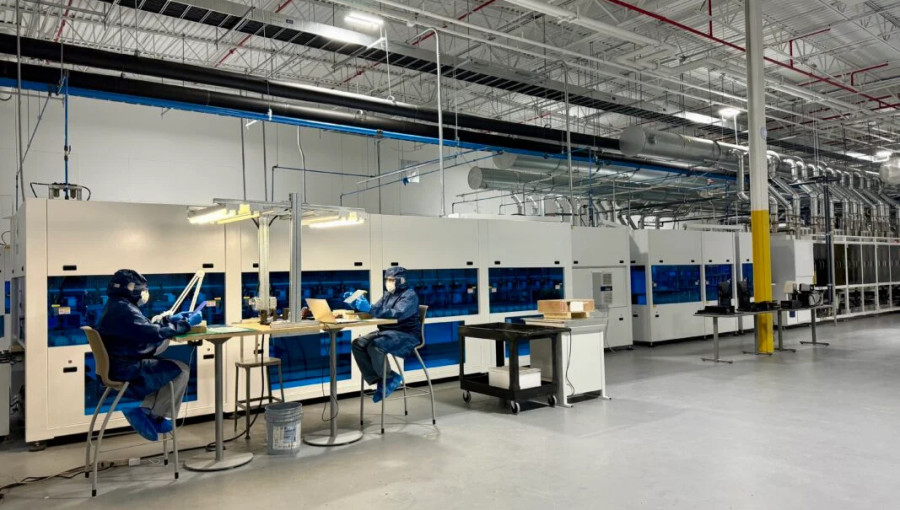
Operationally, Toyo’s Ethiopian facility reached its 4 GW nameplate capacity in October 2025 and is currently running at full utilization. The company reported strong financial growth, with first-quarter 2026 revenue reaching $142.8 million, a 177% increase compared to the previous year. Net income for the period rose to $28.4 million, a significant turnaround from the net loss recorded in early 2025.
In the United States, Toyo is scaling its manufacturing presence. Its Houston-based module facility, which began commercial production in late 2025, is on track to reach 2 GW of capacity by September 2026. This site benefits from Section 45X manufacturing tax credits. Looking ahead, the company is finalizing plans for a domestic solar cell plant, a move intended to provide utility-scale customers with a fully domestic supply chain option to address the current shortage of high-efficiency, n-type cells in the US market. The US Department of Commerce has 30 days to decide whether to launch a formal inquiry into the petition.