US Solar Manufacturing Expands Amid Supply Chain Bottlenecks
The United States solar manufacturing sector enters 2026 in a transitional phase, balancing significant domestic production growth with complex regulatory challenges. While the nation has successfully reshored the entire supply chain—from polysilicon to solar module assembly—for the first time in over a decade, critical bottlenecks remain in solar cell and wafer production. Ongoing federal investigations into national security and trade practices, alongside strict new "foreign entity of concern" regulations, are creating a landscape of both opportunity and uncertainty for manufacturers striving to decouple from overseas dependencies.
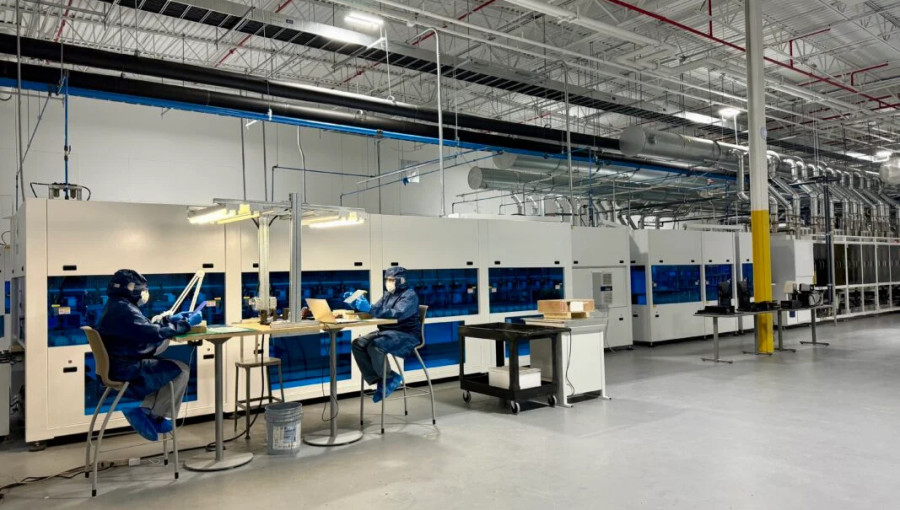
For the first time since 2013, the U.S. solar industry is capable of producing every major component of the supply chain domestically. Current annual capacity for solar panels has reached nearly 65 gigawatts, significantly exceeding the projected 44-gigawatt installation demand for the year. However, a major imbalance persists: while solar module assembly is robust, the production of precursor components like solar cells and wafers is still catching up.
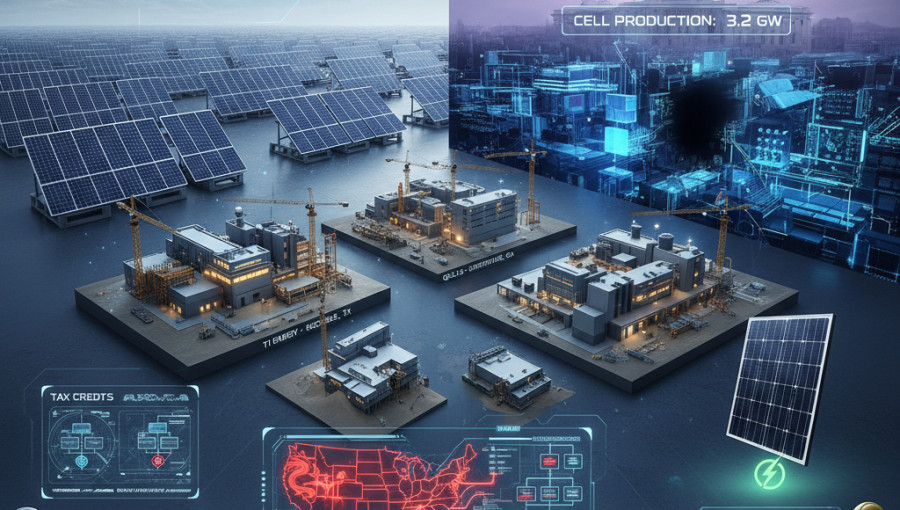
Bridging this "cell gap" is the primary focus for 2026. Currently, domestic solar cell capacity stands at just 3.2 gigawatts, forcing many manufacturers to rely on imports. T1 Energy is leading the charge with a new 40.5-hectare facility in Rockdale, Texas, expected to bring 2.1 gigawatts of solar cell production online by year-end. Meanwhile, Qcells is working to fully integrate its Georgia operations, aiming for total production of ingots, wafers, and cells by the end of 2026.
The road to self-sufficiency has seen hurdles. Norway’s NorSun recently halted plans for a major ingot and wafer factory in Oklahoma. Conversely, First Solar continues to dominate as a domestic leader, utilizing a unique thin-film technology that bypasses the need for traditional silicon wafers. Other players, such as Heliene, are beginning to roll out solar modules using entirely domestic components, including wafers from Corning and polysilicon from Michigan-based Hemlock Semiconductor.
New federal regulations regarding Foreign Entities of Concern (FEOC) are forcing a reshuffle in ownership. Companies must now prove they are not under the control of prohibited Chinese entities to qualify for vital tax credits. This has led to high-profile divestments, such as JA Solar selling its Arizona plant and Trina Solar offloading its Texas operations to T1 Energy.
The industry is also bracing for the results of a Section 232 investigation into the national security implications of the polysilicon supply chain. This could result in broad global tariffs on any products containing silicon, including solar cells and solar modules. Additionally, anti-dumping probes could soon increase duties on imports from India, Indonesia, and Laos. While these measures aim to protect domestic manufacturers from low-cost foreign competition, they also threaten to increase costs for installers until the U.S. achieves full internal supply chain maturity.