
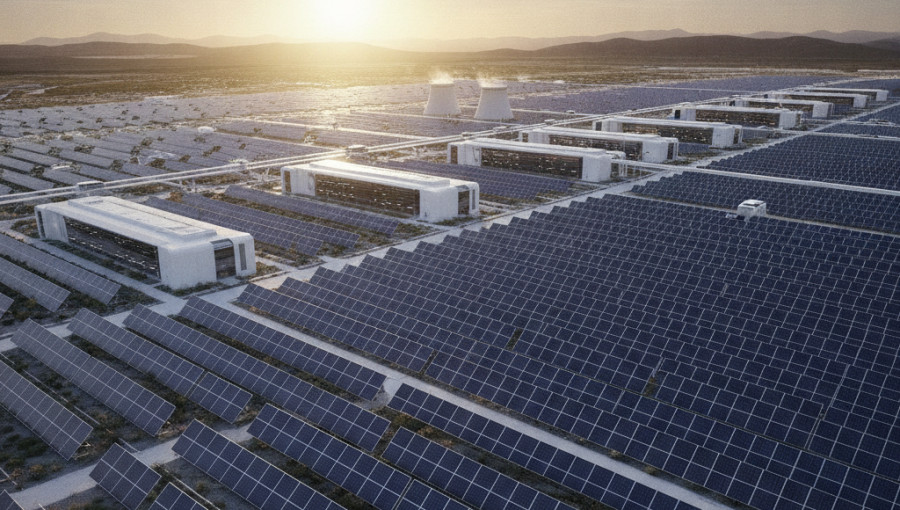
Major technology firms are aggressively seeking alternative power sources to meet the surging energy demands of AI data centers, often bypassing traditional utility providers. While many companies are attempting to install on-site gas turbines, supply chain constraints have forced developers to pursue unconventional solutions, including jet-engine turbines, fuel cells, and experimental concepts like wave-powered or space-based energy systems. These desperate measures highlight the industry’s power crisis, though experts warn that immediate reliance on on-site gas plants is already causing significant local air pollution and raising concerns about long-term impacts on consumer energy costs and grid stability.
The rapid expansion of data centers has triggered a nationwide regulatory response. Lawmakers in various states are implementing development moratoriums and proposing mandates that would require data center operators to cover the costs of grid interconnections and infrastructure upgrades. Governors are currently navigating the complex challenge of balancing the economic benefits of tech investment with the need to protect local power grids and mitigate the environmental consequences of these massive, energy-intensive facilities.
Amid these challenges, the solar energy sector continues to achieve significant milestones. In May, the United States generated more electricity from solar panels than from coal-fired power plants for the first time in a single month. This trend is supported by the launch of large-scale manufacturing facilities, such as the new Qcells factory in Georgia, and major financing for utility-scale solar and battery projects. Furthermore, solar generation is hitting new hourly records, with the Energy Information Administration projecting a 19 percent increase in utility-scale solar output this summer as coal generation continues to decline.