Water Rich Cathode Doubles Sodium Ion Battery Capacity
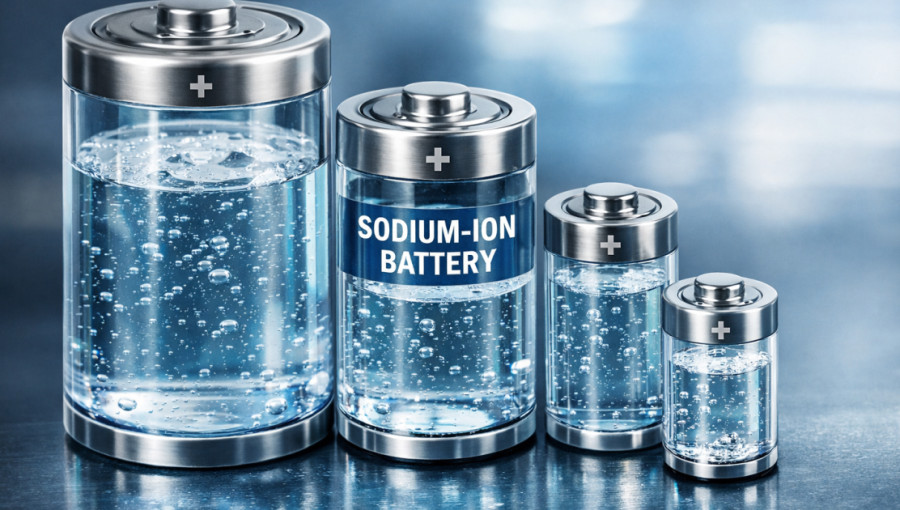
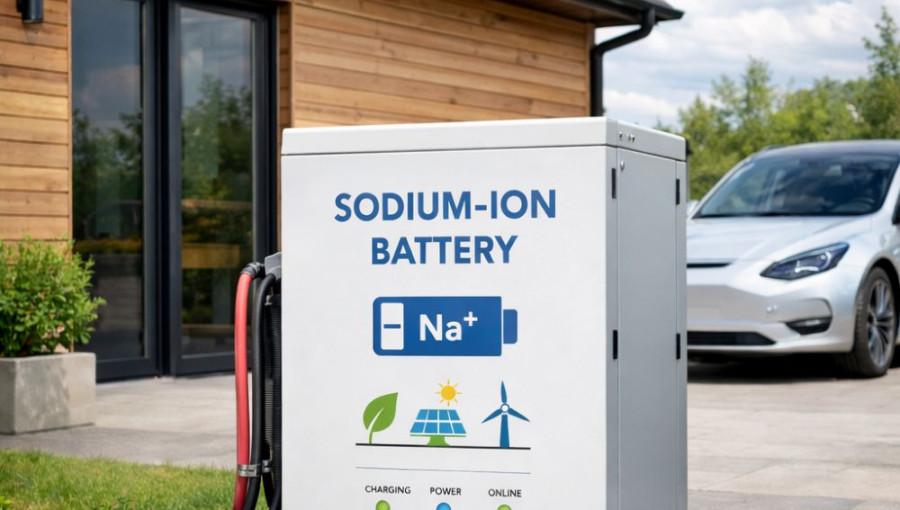
Researchers at the University of Surrey have achieved a significant breakthrough in sodium-ion battery technology by developing a water-rich cathode that nearly doubles energy storage capacity. While lithium-ion batteries currently dominate the market due to their high energy density, sodium-ion alternatives are gaining traction as a safer, more sustainable, and cost-effective option. By utilizing nanostructured vanadate hydrate (NVOH) without the standard dehydration process, the research team discovered that the presence of water molecules actually enhances ion mobility and structural stability, paving the way for more efficient energy storage and potential applications in water desalination.
For years, lithium-ion batteries have been the industry standard for everything from smartphones to electric vehicles due to their lightweight nature and high power output. However, the environmental and geopolitical costs of lithium mining, combined with safety concerns regarding overheating and performance issues in cold climates, have pushed scientists to seek more reliable alternatives. Sodium-ion batteries emerged as a promising candidate because sodium is widely available and inexpensive, though they have historically struggled with lower energy density and heavier weights compared to their lithium counterparts.
The breakthrough, published in the Journal of Materials Chemistry A, centers on a material known as nanostructured vanadate hydrate (NVOH). In traditional battery manufacturing, this compound is typically heat-treated to remove all traces of water, as moisture is generally thought to degrade battery performance and cause chemical instability. Challenging this long-standing industry assumption, the Surrey researchers experimented with a hydrated version of the material and found that the results far exceeded expectations.
According to study lead author Daniel Commandeur, the presence of water molecules between the material's layers acts as a structural spacer. This slightly increases the distance between the layers, providing more room for sodium ions to move in and out of the cathode. This increased mobility allows the battery to store significantly more energy than its dehydrated versions. Testing revealed that the new cathode material is among the most effective ever recorded for sodium-ion technology, maintaining high stability over more than 400 charge cycles.
Beyond energy storage, the team explored the material's versatility and discovered its potential as a medium for desalination. The hydrated NVOH performed exceptionally well in extracting salt from water, suggesting that future energy systems could serve a dual purpose. Commandeur noted that this could eventually lead to the development of integrated systems that utilize seawater as a safe and abundant electrolyte while simultaneously generating fresh water as a byproduct of the energy storage process.