World First Mass Produced Sodium Ion Car Debuts
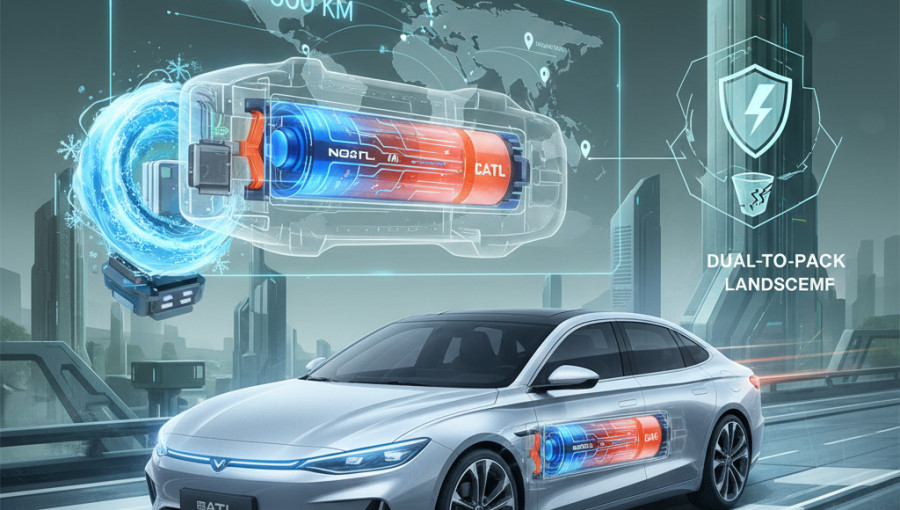
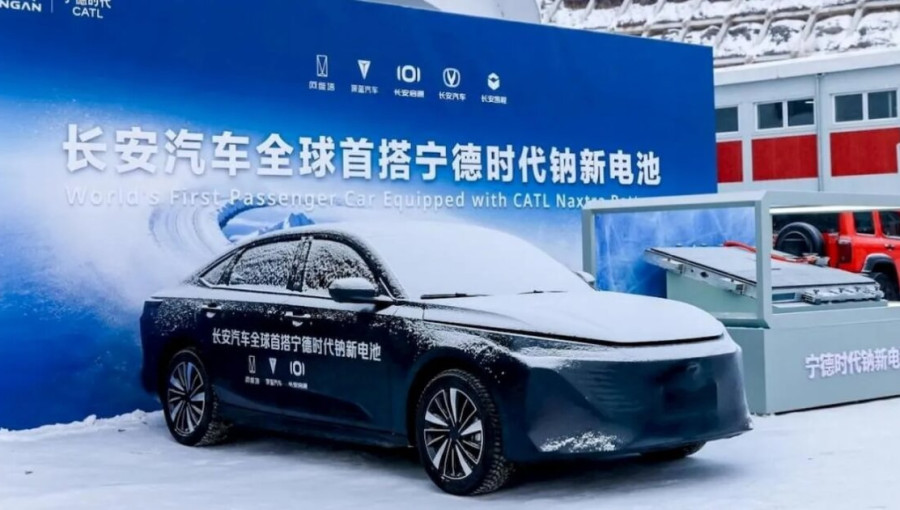
The global automotive industry has reached a significant milestone with the launch of the first mass-produced passenger vehicle powered by sodium ion batteries. Developed through a partnership between battery giant CATL and state-owned Changan Automobile Group, the Changan Nevo A06 sedan marks the commercial debut of the Naxtra battery system. This technology offers a cost-effective and cold-resistant alternative to traditional lithium-ion solutions, signaling a shift toward a more diverse battery ecosystem that could accelerate electric vehicle adoption in challenging climates worldwide.
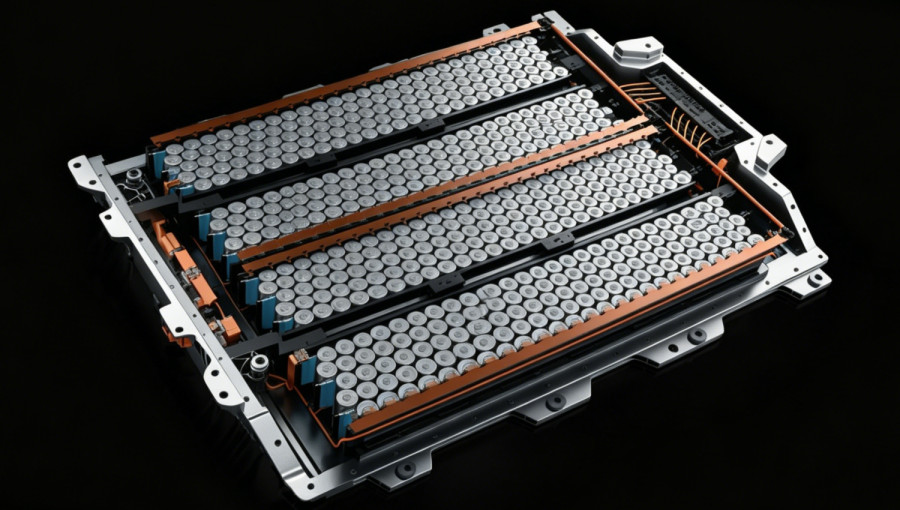
Scheduled to hit the market by mid-2026, the Changan Nevo A06 (also known as the Changan Qiyuan A06) is equipped with a 45 kWh Naxtra battery pack. According to the China Light-Duty Vehicle Test Cycle (CLTC), the sedan delivers a range exceeding 400 kilometers. The vehicle utilizes a cell-to-pack (CTP) architecture, a design that integrates battery cells directly into the vehicle structure without the need for intermediate modules, optimizing space and weight efficiency.
CATL’s Naxtra battery sets a new industry benchmark for mass production with an energy density of up to 175 Wh per kilogram, nearly matching the performance of standard lithium-iron-phosphate (LFP) batteries. While lithium-ion remains the dominant choice for high-range vehicles, CATL views sodium ion technology as a vital complement. Future advancements in the sodium ion supply chain are expected to push vehicle ranges toward the 500 to 600 kilometer mark, further closing the gap with established chemistries.
One of the most significant advantages of sodium ion technology is its resilience in extreme weather. The Naxtra battery maintains over 90% capacity at minus 40 degrees Celsius and continues to deliver stable power at temperatures as low as minus 50 degrees. Furthermore, the battery provides nearly triple the discharge power of LFP alternatives at minus 30 degrees. Safety testing also revealed high durability; the units remained free of fire or smoke even when subjected to severe physical damage, such as crushing and drilling.
Beyond technical performance, the shift to sodium is driven by economics, as the raw material costs a fraction of what is required for LFP batteries. Changan intends to integrate Naxtra technology across its various brands, including AVATR, Deepal, and UNI. Ouyang Xiaolong, CATL’s head engineer for passenger cars, indicated that the company plans to deploy 10,000 units this year, with production targets scaling to hundreds of thousands by 2027. This rollout aims to capture markets in colder regions where traditional lithium-ion batteries often experience significant performance degradation.