
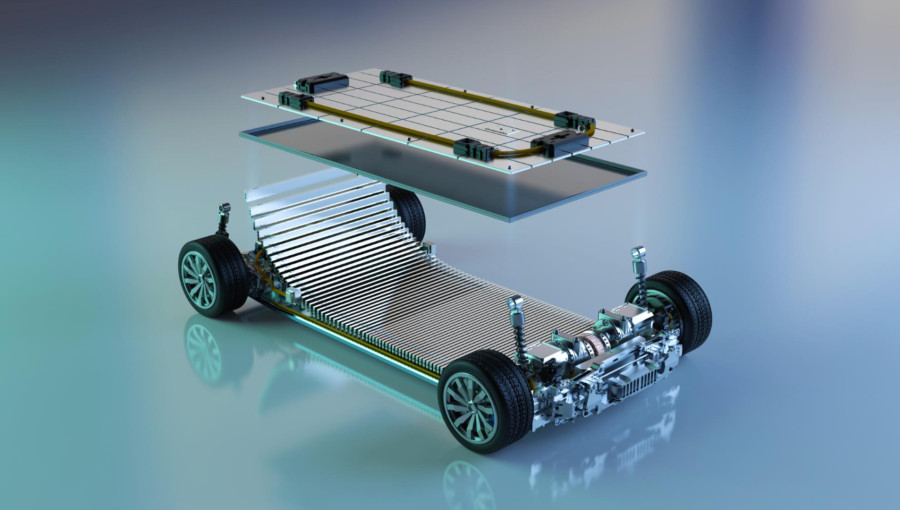
Chinese automotive giant Geely has announced a definitive timeline for its next-generation battery technology, aiming to complete its first fully integrated all-solid-state battery pack by 2026. This move marks a transition from laboratory research to real-world vehicle testing and performance validation. With experimental cells already reaching energy densities of 400 Wh/kg, Geely is consolidating its battery operations under a specialized unit to streamline development. The initiative is part of a broader push within the Chinese automotive sector to lead in the commercialization of solid-state power solutions.
Geely is accelerating its transition from experimental research to practical application by setting 2026 as the target year for its first all-solid-state battery pack. The company plans to integrate these advanced power units into test vehicles for comprehensive validation under real-world driving conditions. This roadmap signals Geely’s intent to move beyond theoretical demonstrations toward mass-production readiness, positioning itself as a primary contender in the high-stakes race for next-generation electric vehicle (EV) technology.
To centralize its efforts, the automaker reorganized its battery operations in 2025 under a dedicated subsidiary, Zhejiang Jiyao Tongxing Energy Technology. This restructuring allows the company to oversee the entire lifecycle of battery development, from cell manufacturing to the engineering of sophisticated safety systems. While the solid-state project remains a long-term priority, the unit has already produced engineering samples of its Aegis Short Blade lithium iron phosphate battery, an LFP cell designed for high-performance applications.
Technical reports indicate that Geely’s solid-state prototypes have already achieved an energy density of approximately 400 Wh/kg. Research teams at the company’s dedicated laboratory in Zhejiang are currently evaluating various electrolyte compositions, specifically focusing on sulfide- and oxide-based materials to optimize conductivity and stability. To ensure these batteries meet rigorous standards, Geely has established a specialized safety testing facility in Ningbo, where battery packs can be analyzed within actual vehicle architectures.
The broader Chinese automotive landscape is seeing a similar surge in solid-state development, supported by national initiatives to maintain a competitive edge in the EV market. While Geely targets 2026 for its integrated pack completion, other major players are following close behind. Dongfeng expects to reach mass production by 2027, and SAIC Motor’s partner, Qingtao Energy, has recently commissioned a dedicated production line to prepare for 2027 deliveries. Chery is also making strides, having successfully moved from lab research to producing engineering samples at its own facility.