Germany And France Pivot From Hydrogen To Electrification
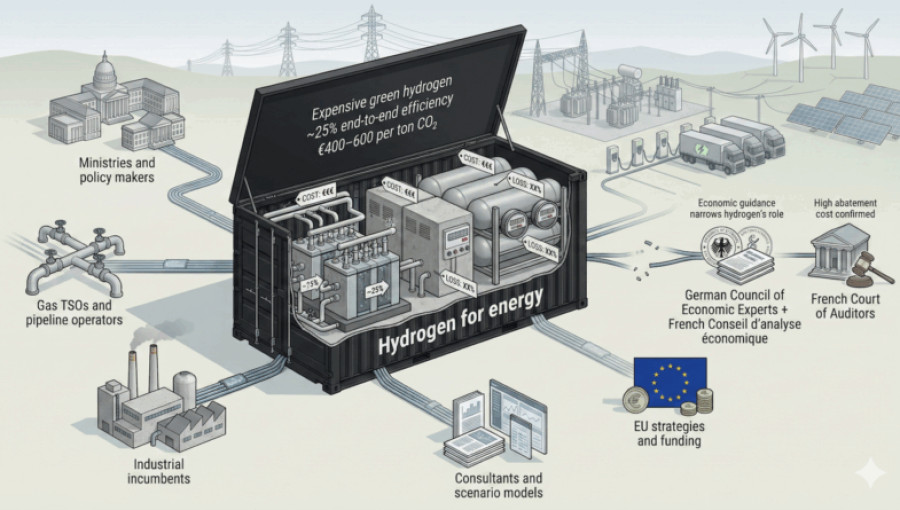
Leading economic advisors in Germany and France are pivoting away from hydrogen as a primary energy solution, favoring direct electrification for sectors like heavy road transport. Their joint analysis highlights that battery electric trucks are significantly more efficient and cost-effective than hydrogen fuel cell alternatives. This strategic shift leaves major infrastructure projects, such as Germany’s 400-kilometer hydrogen pipeline, without immediate demand. Consequently, hydrogen is being repositioned as a specialized industrial feedstock rather than a broad-based replacement for fossil fuels to meet climate goals effectively.
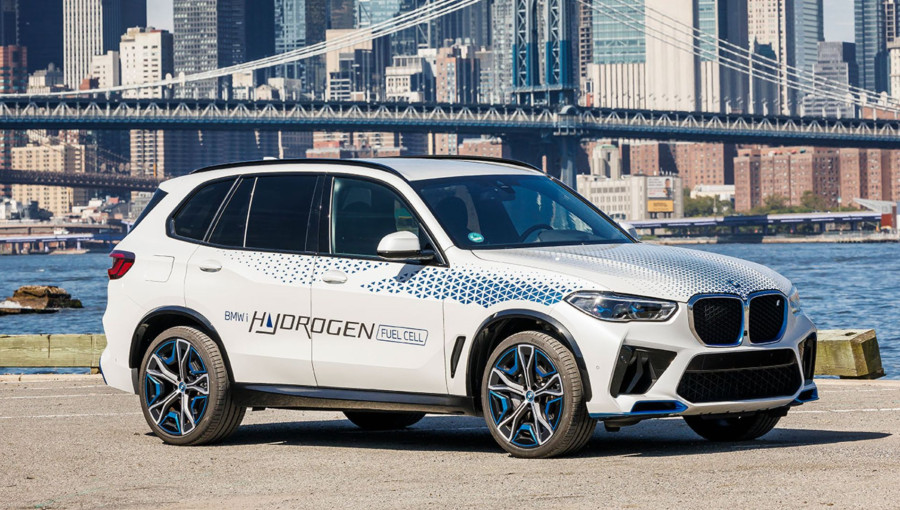
Germany’s Council of Economic Experts and France’s Conseil d’analyse économique have issued joint guidance to deprioritize hydrogen in heavy road transport. This marks a significant departure from previous strategies that viewed the gas as a cornerstone of the energy transition. The councils argue that battery electric trucks, supported by high-power charging networks, offer a more streamlined integration into the expanding power grid. Unlike hydrogen, which suffers from massive energy losses during electrolysis, compression, and distribution, electrification provides a faster and more affordable path to decarbonization.
The shift is grounded in a systemic comparison of energy efficiency and operational costs. While battery electric vehicles convert approximately three-quarters of delivered electricity into motion, hydrogen fuel cell trucks manage only about one-quarter once the entire supply chain is considered. This efficiency gap leads to staggering CO2 emission abatement costs. The French Court of Auditors noted that using hydrogen for transport can cost between €400 and €600 per ton of CO2 avoided, far exceeding the costs associated with direct electrification alternatives.
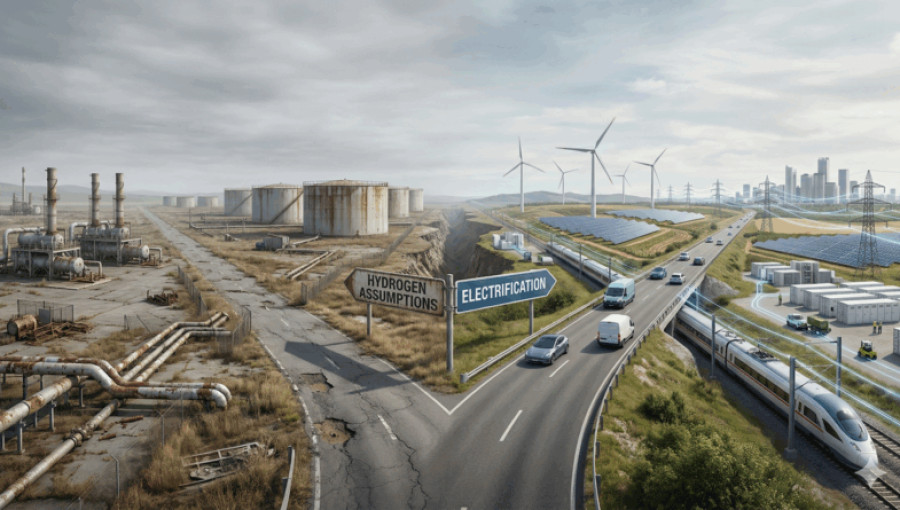
This policy pivot creates a stark disconnect with current physical infrastructure. Germany has already completed a 400-kilometer pressurized segment of its "hydrogen backbone" pipeline. However, the system currently lacks both suppliers to feed the network and industrial consumers to draw from it. Originally designed for a future where hydrogen powered everything from home heating to heavy logistics, the pipeline now stands as a physical expression of assumptions that are rapidly losing economic legitimacy.
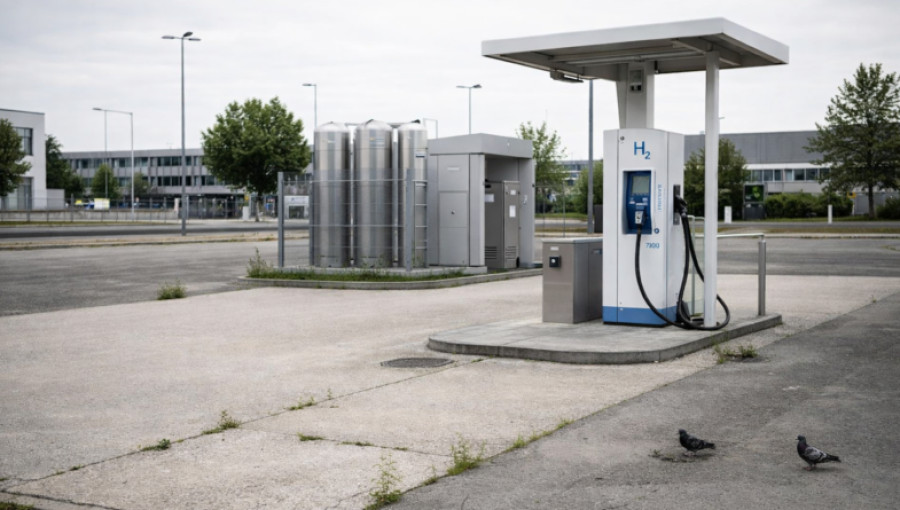
Economic experts now suggest that public investment should prioritize grid reinforcement and charging infrastructure. They recommend removing hydrogen refueling stations from national budgets and stripping synthetic fuels from EU climate targets. Under this new framework, hydrogen is reserved for specific industrial processes where electrification is not technically viable. This narrowing of scope is intended to improve overall system efficiency and ensure that clean electricity, which remains a scarce resource, is used where it delivers the highest climate value.
This reassessment is viewed by analysts as a necessary "system learning" process rather than a failure of policy. By refining the role of hydrogen, Europe can avoid the high opportunity costs of maintaining underutilized infrastructure and redirect capital toward more effective decarbonization tools. While hydrogen remains essential as a chemical feedstock, its era as a universal energy carrier appears to be ending as economic reality dictates a more disciplined approach to the energy transition.