
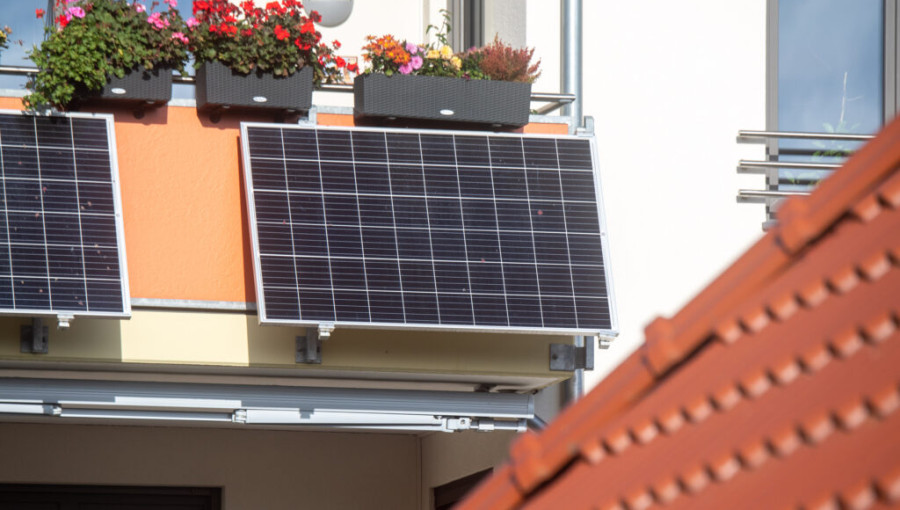
Lawmakers across New England are evaluating new legislation to authorize plug-in solar systems, a technology already widespread in Europe. This initiative aims to make renewable energy accessible to renters and apartment dwellers who cannot install traditional rooftop solar panel arrays. By allowing small solar modules to connect directly to standard wall outlets, the proposed laws could significantly reduce electricity costs and lower CO2 emission levels. With Maine, Vermont, and Massachusetts leading the charge, the U.S. is looking toward a decentralized energy model that empowers individual households to contribute to the power grid.
These small-scale units, which typically generate between 200 and 1,200 watts, operate by using a small inverter to convert the energy captured by a solar panel into electricity compatible with home appliances. Unlike traditional systems that require complex wiring and permanent installation, these modules simply plug into a standard household outlet. This “plug-and-play” approach has the potential to transform energy access for those living in multi-story apartments or rental properties, providing a portable solution that can move with the tenant.
The legislative push in the Northeast follows a successful blueprint from Europe, where 25 out of 27 European Union nations permit the technology. In Germany alone, more than 1 million units have been deployed since late 2024. Proponents argue that the U.S. is lagging behind, as current electrical codes and utility regulations often prohibit the reverse flow of electricity from an outlet back into the home’s breaker panel. However, states like Utah have already cleared the path for 2025, and New England lawmakers are eager to follow suit to ease grid demand and reduce the region’s reliance on fossil fuels.
Economic projections suggest substantial benefits for consumers. A single 400-watt solar module, measuring approximately 1.8 meters in height, can cost a few hundred dollars, while larger 1,200-watt setups may exceed $2,000. Despite the upfront investment, these systems can pay for themselves in less than three years. In Maine, estimates indicate that a high-end plug-in unit could slash an average household’s annual electricity bill by roughly 21 percent. Furthermore, advocacy groups suggest that wider adoption could trigger an 80 percent drop in equipment prices as more manufacturers enter the market.
While the transition gains momentum, some officials remain cautious. Critics point out that the high initial cost might still be prohibitive for low-income residents, and safety experts have raised concerns regarding potential circuit overloads if the units feed power into already strained electrical lines. To address these issues, the proposed bills aim to modernize electrical codes and establish clear safety standards. As Massachusetts considers including these provisions in a major climate bill and Vermont moves legislation through its Senate, the region stands on the verge of a significant shift in residential energy policy.