
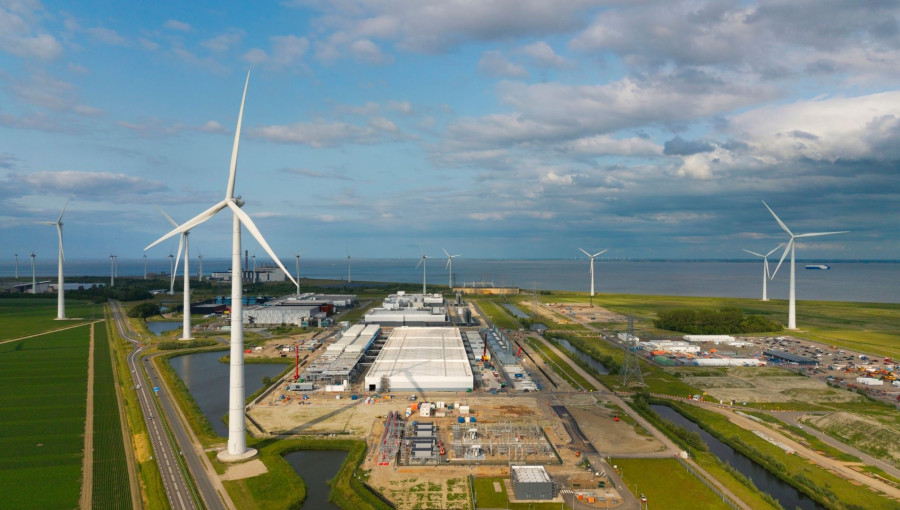
Google has announced plans to construct a massive data center in Pine Island, Minnesota, powered by a landmark 1.9-gigawatt clean energy initiative. Central to this project is a 30-gigawatt-hour iron-air battery developed by Form Energy, which boasts a 100-hour discharge duration. This system, described as the world’s largest battery, utilizes an innovative iron-rusting process to store energy more affordably than traditional lithium-ion systems. By partnering with Xcel Energy through a novel regulatory framework, Google aims to ensure a steady supply of carbon-free electricity while supporting local grid reliability.
The new facility in Pine Island, located approximately 85 kilometers southeast of Minneapolis, marks Google’s first data center presence in Minnesota. To meet the substantial energy requirements of the site, the tech giant is working with Xcel Energy to integrate 1.4 GW of wind power and 200 MW of solar power. This renewable energy will be managed by Form Energy’s long-duration storage technology, ensuring the data center remains operational even when wind and solar production fluctuates.
The storage system utilizes iron-air technology, which functions fundamentally differently from the lithium-ion batteries found in consumer electronics. The process stores electricity by converting iron into rust through exposure to oxygen; to discharge the energy, the process is reversed. While these batteries are heavier and have a lower round-trip efficiency of 50% to 70%—compared to the 90% efficiency of lithium-ion—they offer a significant cost advantage. At roughly $20 per kilowatt-hour, the iron-air system is nearly three times cheaper than its lithium-based counterparts, making it ideal for large-scale, long-duration grid storage.
To navigate the complex regulatory environment of utility pricing, Google and Xcel Energy have pioneered a new agreement known as the Clean Energy Accelerator Charge (CEAC). This framework allows the utility to invest in large-scale green energy projects without passing the costs onto standard residential consumers. The model is based on a similar “Clean Transition Tariff” previously implemented by Google in Nevada.
Beyond the primary data center project, Google has pledged $50 million toward Xcel’s Capacity Connect program. This investment will fund the deployment of numerous smaller battery installations across the regional grid. These distributed storage assets are intended to fortify the local power infrastructure, increasing overall capacity and providing a more resilient energy system for the surrounding community as it moves away from fossil fuel dependency.