
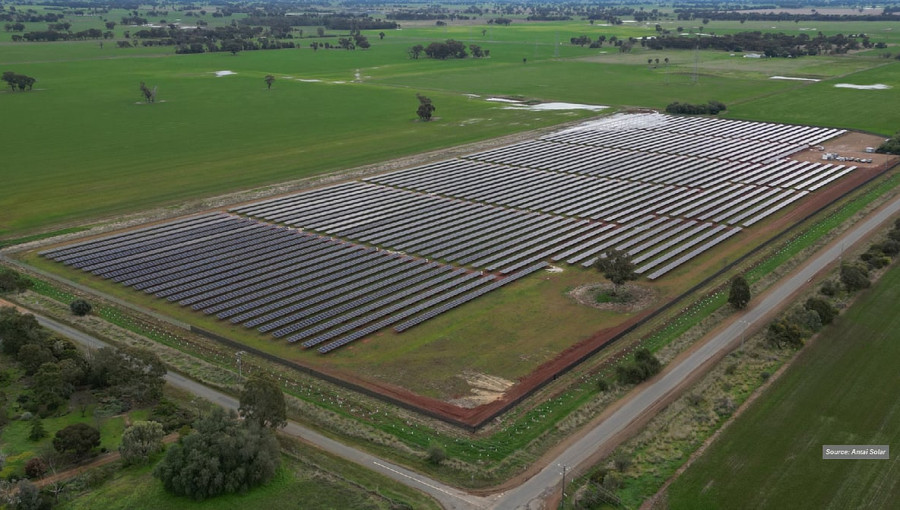
The global solar tracker market is entering a mature phase where hardware standardization is shifting the competitive focus toward software, AI-driven controls, and operational intelligence. As flat land becomes increasingly scarce, terrain-following capabilities and the 1P tracker configuration have become industry benchmarks. Beyond mechanical design, the sector is prioritizing resilience against extreme weather through advanced stowing strategies and expanding into dual-use applications like agrivoltaics. These technological advancements, combined with localized manufacturing and aggressive cost optimization, are redefining the role of trackers in large-scale photovoltaic projects.
As the solar industry evolves, the mechanical differences between various tracker systems are narrowing, leading manufacturers to differentiate their products through advanced software and control algorithms. Modern solar trackers are no longer just mounting structures; they have become sophisticated components capable of maximizing energy yield through AI-assisted optimization and refined backtracking logic. These smart systems allow for dynamic responses to real-time environmental conditions, ensuring that solar modules are always positioned for peak performance.
The 1P tracker configuration has emerged as the most prevalent architecture across various global markets. However, the industry is also seeing a surge in demand for terrain-following capabilities. This shift is primarily driven by the decreasing availability of flat, uniform land, forcing developers to utilize more complex and uneven topographies. Consequently, what was once a niche feature has now become a standard requirement for new utility-scale projects.
Safety remains a top priority as extreme weather events, including high winds and heavy hail, become more frequent. Modern tracker designs now incorporate robust stowing strategies that combine mechanical strength with software-based protection to safeguard both the structure and the solar module. This focus on reliability is essential for maintaining the long-term viability of solar assets in volatile climates.
The versatility of modern trackers is further evidenced by their integration into agrivoltaic systems. By offering flexible row spacing and adjustable heights, trackers facilitate the dual use of land for both agricultural production and clean energy generation. This adaptability is helping developers navigate land-use regulations and maximize the value of their projects.
From a strategic perspective, the market is being shaped by domestic content requirements and the need for localized manufacturing. Project developers are increasingly seeking partners who can provide regional supply chain security to comply with evolving procurement policies. At the same time, intense competition in regions like the Middle East continues to drive cost optimization across materials, logistics, and installation, all while maintaining high standards of quality and system integration. Finally, the landscape is seeing increased consolidation, with leading suppliers expanding their influence through acquisitions and deeper integration across the value chain.