
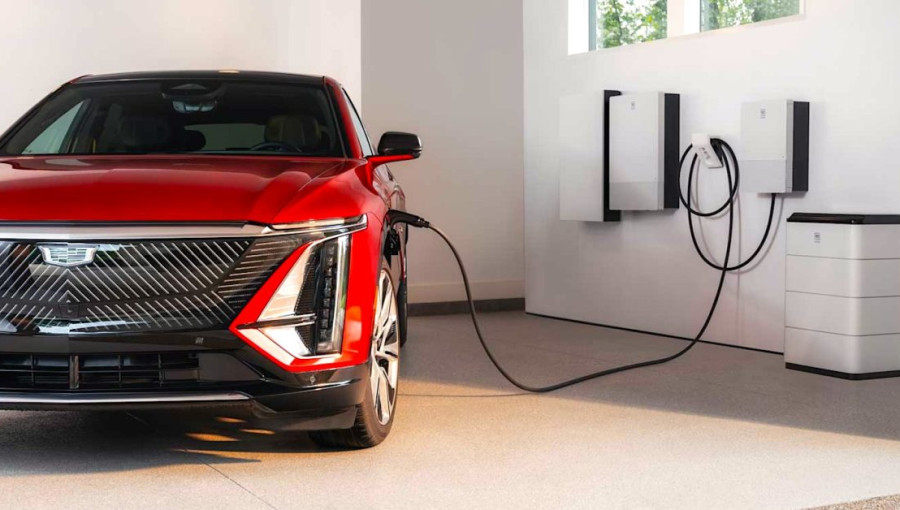
The landscape of residential renewable energy is undergoing a fundamental transformation as homeowners move away from traditional rooftop solar toward integrated battery storage systems. While net metering once allowed residents to profit by selling excess electricity back to the grid, recent regulatory shifts and rising utility costs have diminished these financial incentives. Consequently, consumers are increasingly adopting “energy arbitrage” strategies, utilizing home batteries and electric vehicles to store power for use during peak demand hours, effectively creating self-sustaining micro-grids within their own homes.
For over a decade, the promise of selling surplus power back to the grid served as the primary incentive for installing solar panels. However, the introduction of policies such as California’s Net Energy Metering 3.0 (NEM 3.0) has significantly slashed the value of exported electricity. With the financial returns for selling power plummeting, the economic logic has shifted toward self-consumption. Homeowners are now finding it more profitable to retain every kilowatt-hour generated rather than sending it back to utility companies for a fraction of its cost.
This shift is driving the rapid adoption of home batteries, which function as energy arbitrage tools. These systems allow residents to charge their storage units when electricity is cheap—either from their own solar panels or during off-peak hours—and discharge that energy when grid prices skyrocket. This strategy not only lowers monthly bills but also reduces the strain on the broader electrical infrastructure by decreasing the reliance on expensive peaker plants and increasing the utilization of cleaner power sources.
The evolution of the market is moving toward a “whole-home” electrification model. Modern systems are no longer just about a few solar modules on a roof; they now integrate smart meters, advanced control panels, and home batteries into a cohesive unit. Increasingly, the electric vehicle parked in the driveway is being treated as a vital component of this power plant. Manufacturers like Tesla, GM, Rivian, and Nissan are developing ecosystems that allow vehicles to provide backup power or support the home’s energy needs through Vehicle-to-Home (V2H) technology.
Industry experts suggest that the technical, policy, and financial pieces are finally in place for widespread home electrification. As traditional, publicly traded utilities face criticism for rising connection fees and aging infrastructure, the move toward localized energy management is accelerating. By optimizing when to store, use, or export power, these miniature home grids offer a level of energy independence that was previously unattainable, signaling a new era for the residential energy transition.