
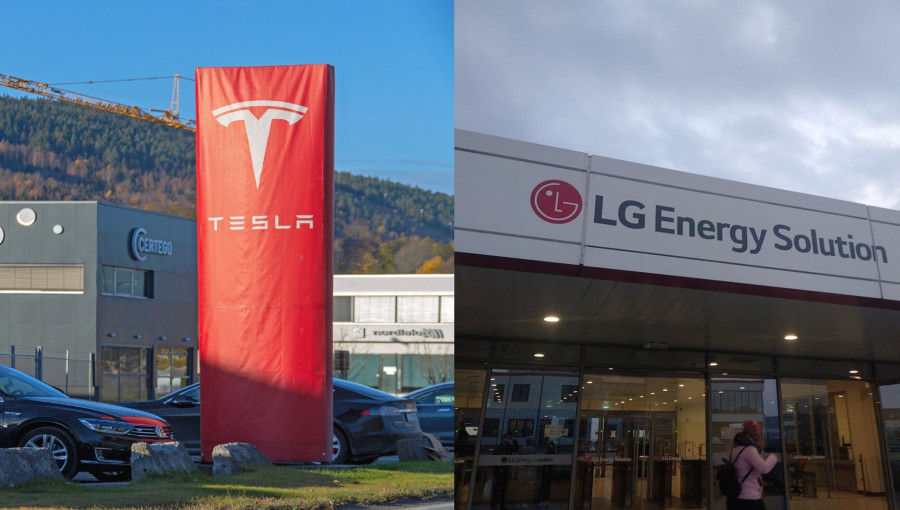
Tesla has finalized a significant $4.3 billion agreement with LG Energy Solution to secure a steady supply of battery cells for its burgeoning energy storage division. This strategic move focuses on domestic manufacturing at a facility in Lansing, Michigan, to support the production of Tesla’s Megapack systems. By prioritizing American-made lithium iron phosphate (LFP) prismatic cells, the company aims to stabilize its supply chain and reduce its reliance on international imports. This partnership highlights the accelerating growth of Tesla’s energy sector amidst rising global demand for grid-scale storage solutions.
The batteries will be manufactured at a specialized plant in Lansing, which was originally established as a joint venture between LG and General Motors. Following the automaker’s departure from the project, the site has been repurposed to produce LFP cells specifically designed for stationary storage. These American-made components are slated for use in Tesla’s Megapack 3 systems, which are assembled in Houston. This localization effort aligns with broader U.S. policy goals to strengthen domestic battery production and secure energy infrastructure against global supply chain volatility.
Tesla’s energy division has become an increasingly vital part of its business model, with growth rates currently exceeding those of its electric vehicle segment. Last year, the energy storage and generation arm generated $12.8 billion in revenue, accounting for approximately 13 percent of the company’s total earnings. The Megapack systems are essential for managing modern electrical grids, as they store power from renewable sources—such as a solar panel array or wind farm—and discharge it during peak demand periods. This capability is becoming more critical as electricity consumption spikes due to the expansion of artificial intelligence and massive data center developments.
For LG Energy Solution, the deal represents a pivotal expansion into the energy storage system (ESS) market. As the demand for electric vehicles experiences a temporary cooling period, battery manufacturers are increasingly looking toward grid-scale storage to maintain growth. The Lansing facility will feature dedicated production lines to fulfill Tesla’s requirements, allowing LG to better compete with international manufacturers. This shift also helps Tesla mitigate risks associated with tariffs and trade dependencies, as the company has historically relied on LFP cells imported from China.
The agreement was formally highlighted during the Indo-Pacific Energy Security Summit in Japan, where the U.S. government emphasized the importance of private sector investments in clean energy. By integrating domestic battery cells into its storage products, Tesla is positioning itself to lead the transition toward a more resilient and sustainable power grid. As data center energy needs are projected to more than double over the next decade, the deployment of large-scale battery infrastructure will be paramount in balancing supply and reducing CO2 emission levels across the industrial sector.