
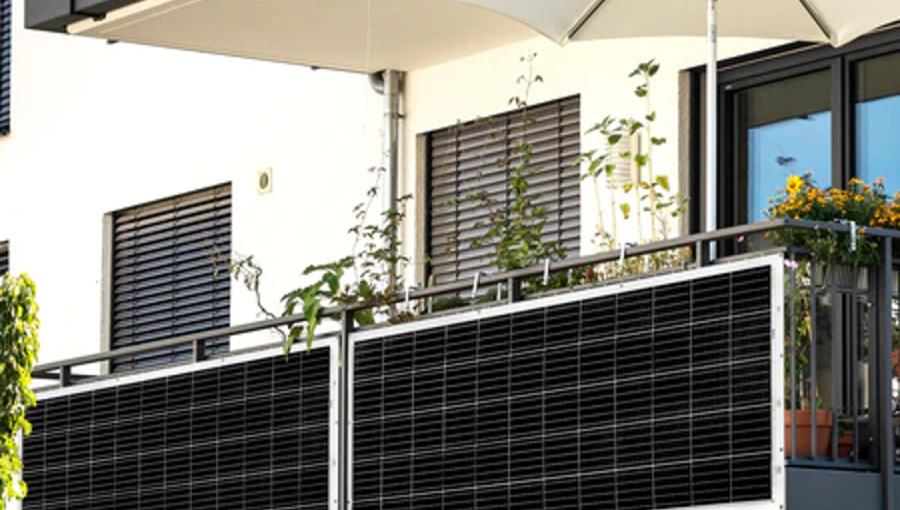
Colorado Governor Jared Polis has signed HB26-1007 into law, making the state one of the first in the U.S. to protect the rights of residents to install balcony solar systems. Effective January 1, 2026, the legislation prevents utility companies, landlords, and homeowner associations from placing unreasonable restrictions or fees on these plug-in solar energy devices. Designed primarily for renters and apartment dwellers, the law aims to lower energy costs, reduce CO2 emissions, and enhance grid reliability while expanding access to clean energy for those unable to install traditional rooftop systems.
Governor Polis emphasized that living in a multi-family building should not be a barrier to accessing renewable energy. The law specifically targets “plug-in” systems that can be mounted on the railings of balconies, patios, or lanais. By removing these hurdles, Colorado joins Utah as a pioneer in this legislative area, with other states like California, New York, and Virginia currently weighing similar measures to democratize energy production.
The new regulations limit these small-scale systems to a capacity of less than 2 kilowatts. Since a typical solar panel produces between 350 and 400 watts under ideal conditions, most balcony setups will feature one or two panels, comfortably staying within the legal limit. To ensure grid safety, the law mandates that all devices must include a feature that prevents them from energizing the grid during a power outage. Furthermore, the legislation encourages the use of meter collar adapters to simplify the connection to utility infrastructure, requiring utilities to provide a list of approved hardware within 90 days.
For those previously excluded from the solar market—including renters and homeowners with unsuitable roofs—this legislation offers a practical path to lower utility bills. While balcony solar is not intended to replace full rooftop arrays, it allows households to offset a portion of their daily electricity consumption. When appliances run during daylight hours, they utilize the solar power first, reducing the amount of electricity imported from the grid.
Will Toor, head of the Colorado Energy Office, noted that widespread adoption of these systems, particularly when paired with battery storage, will improve grid reliability during peak demand. Beyond the financial benefits, the initiative is seen as a way to demystify renewable energy and encourage more citizens to participate in the transition to a cleaner energy economy.
Despite the ease of “plug-in” technology, experts warn that these systems require careful installation. Each solar panel must be securely fastened to withstand wind and weather, and cables must be routed safely to avoid electrical hazards. Proper positioning is also vital; while south-facing setups provide the highest output, even east- or west-facing panels can be effective if they remain unshaded by neighboring buildings or trees. Many modern kits now include micro-inverters and monitoring apps, allowing users to track their energy generation in real time.