Toyota Solid State Battery Revolution Set For 2036
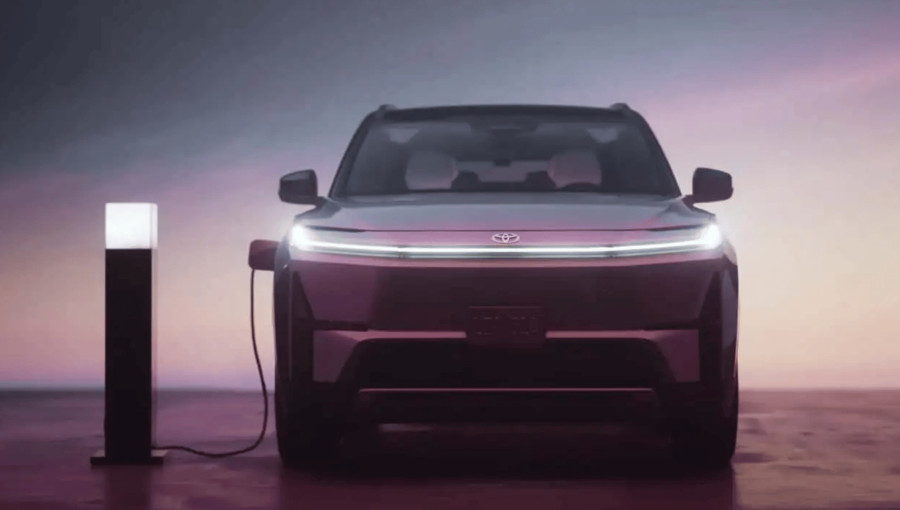
By 2036, the automotive landscape is set to undergo a significant transformation driven by Toyota’s commitment to consumer choice and technological innovation. The shift centers on the widespread adoption of solid-state batteries, which promise ten-minute charging cycles and enhanced safety. Beyond propulsion, future electric vehicles will integrate into home energy ecosystems through bi-directional charging. Toyota’s strategy maintains a diverse portfolio, including hydrogen and high-range plug-in hybrids, ensuring that the transition to sustainable transport remains accessible, affordable, and adaptable to various lifestyle needs without compromising performance.
The next decade of mobility will be defined by flexibility rather than a one-size-fits-all mandate. Toyota’s roadmap for the mid-2030s suggests that driveways will look remarkably different, featuring vehicles that prioritize efficiency and user convenience. At the heart of this evolution is the solid-state battery. After years of intensive research and development, these power units are expected to become the industry standard, offering a safer alternative to current liquid-electrolyte versions. These batteries are projected to charge in approximately ten minutes, significantly reducing the downtime currently associated with long-distance travel.
The increased energy density of solid-state technology allows for lighter and more cost-effective vehicle designs. Drivers will no longer require massive, cumbersome battery packs to achieve a range of 483 kilometers. This weight reduction translates to better handling and lower manufacturing costs, which will eventually bridge the price gap between electric and internal combustion engine vehicles.
Charging infrastructure is also evolving toward "plug and forget" simplicity, but the most transformative feature is bi-directional charging. This technology allows an electric vehicle to function as a mobile power station. In the event of a grid failure or severe weather, a Toyota EV could power a household’s essential appliances, such as refrigerators and lighting, for several days. This integration effectively turns the vehicle into a critical component of a home’s energy management system.
Recognizing that pure battery electric vehicles may not suit every environment, Toyota continues to advance hybrid and plug-in hybrid (PHEV) technologies. By 2036, PHEVs are expected to offer an electric-only range of up to 161 kilometers. For the average commuter, this means daily travel could be entirely emissions-free for months at a time, while the internal combustion engine remains available for long-range trips where charging infrastructure may be sparse.
Ultimately, the future of transportation focuses on removing barriers to adoption. As production scales and raw materials become more accessible, the financial premium for choosing a greener vehicle is expected to vanish. Whether through pure electric power, hydrogen fuel cells, or advanced hybrids, the objective remains a seamless transition to sustainable mobility that fits the practical demands of everyday life.