
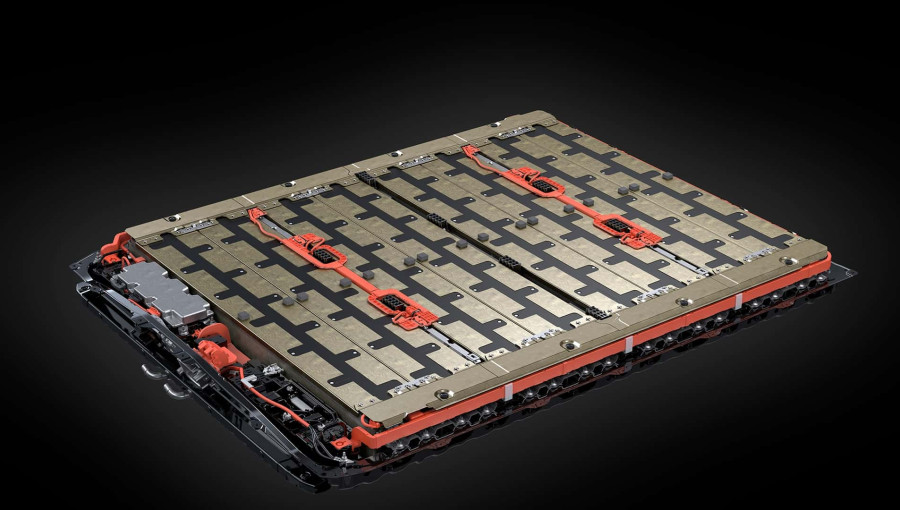
Researchers at Sweden’s Chalmers University of Technology have developed an artificial intelligence-driven charging protocol that could extend the lifespan of electric vehicle batteries by nearly 23%. By utilizing reinforcement learning within the battery management system, the technology optimizes fast-charging cycles to reduce internal stress and degradation. This breakthrough could add over 160,000 kilometers of range to a vehicle’s life without sacrificing charging speed. If successfully implemented outside the laboratory, this innovation promises to enhance the sustainability of the EV industry and improve long-term vehicle value for consumers.
The study, published in the academic journal IEEE, introduces an advanced method for managing battery health during high-intensity charging. Authors Meng Yuan and Changfu Zou from the Department of Electrical Engineering demonstrated that their AI-based approach allows a battery to reach 703 equivalent full cycles, representing a 22.9% improvement over traditional charging standards. This development addresses one of the primary concerns for EV owners: the gradual loss of capacity caused by frequent fast-charging.
To put these findings into perspective, current industry leaders like Tesla produce batteries estimated to last between 482,803 and 804,672 kilometers. A 23% increase in longevity would translate to an additional 112,654 to 160,934 kilometers of usable life. Given that the average driver covers approximately 21,687 kilometers annually, this technology could keep a vehicle on the road for several additional years before requiring a costly battery replacement.
The core of the innovation lies in “reinforcement learning,” a machine learning technique where the system learns the most efficient behavior through trial and error. In the context of a battery management system (BMS), the AI monitors the state of health and chemical composition of the battery cells in real-time. It then adjusts the voltage and current to prevent lithium plating—a phenomenon where ions accumulate on the anode and cause permanent damage—while also minimizing stress on the cathode and electrolyte.
Beyond individual savings, the widespread adoption of AI-optimized charging offers significant environmental benefits. Extending the life of a battery reduces the immediate demand for raw materials and lowers the total manufacturing-related CO2 emission associated with vehicle production. This contributes to a more circular economy and enhances the overall “green” credentials of electric transportation.
While the researchers emphasize that these results were achieved under laboratory conditions and have yet to be tested in diverse real-world environments, the implications for the automotive industry are profound. Importantly, the study highlights that this lifespan enhancement does not come at the cost of performance; the AI maintains charging efficiency comparable to current methods. If proven effective in mass-market vehicles, this technology could reshape the used EV market and fundamentally change how manufacturers approach battery warranties and long-term vehicle health.
