Ford Launches New Subsidiary For Stationary Energy Storage
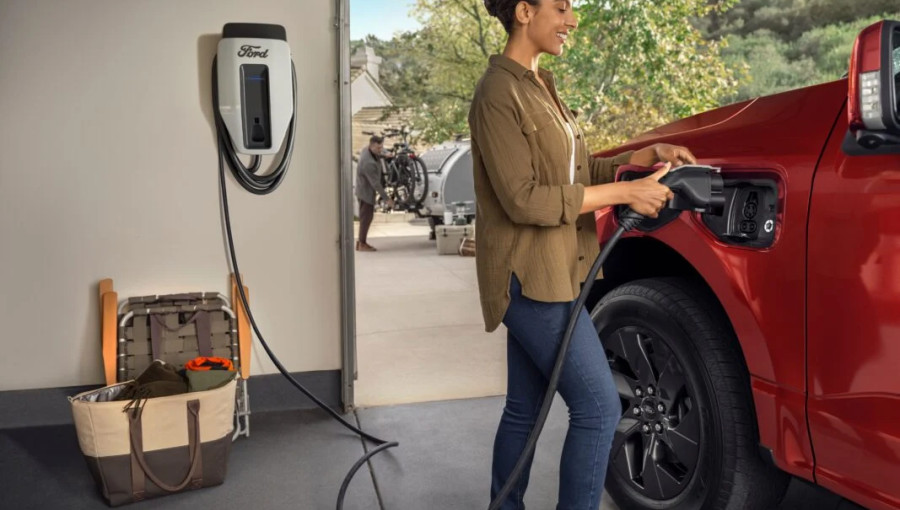
Ford Motor Company has officially inaugurated Ford Energy, its new subsidiary dedicated to stationary energy storage, with commercial deliveries slated for late 2027. This move marks a strategic pivot for the automotive giant as it shifts focus toward high-growth sectors following a slowdown in the electric vehicle market. By investing approximately $2 billion to repurpose manufacturing facilities in Kentucky and Michigan, Ford aims to produce large-scale lithium iron phosphate (LFP) battery systems. These US-made units are designed to meet rising demand for grid stability and data center power while maximizing federal tax incentives through domestic production.
The launch of Ford Energy follows a period of restructuring for the automaker, which recently reported significant losses in its electric vehicle division due to fluctuating demand and the expiration of certain tax incentives. To capitalize on more profitable opportunities, the company is repurposing assets previously tied to its BlueOval SK joint venture. Specifically, Ford is transforming its Glendale, Kentucky, site into a hub for producing LFP battery cells and DC battery energy storage system (BESS) enclosures. Additionally, the company plans to establish residential storage production lines at its facility in Michigan.
The subsidiary’s flagship product, the Ford Energy DC block, is a standardized 6.1-meter ISO containerized BESS. Built using 512Ah LFP cells, the system will be offered in two-hour and four-hour configurations to suit various utility needs. Each liquid-cooled unit is rated at 5.45MWh and weighs approximately 43.5 tonnes. Ford projects an annual manufacturing capacity of 20GWh for these units, emphasizing that its vertical integration—from cell production to final container assembly—will ensure superior quality control and supply chain transparency.
A primary driver behind this initiative is the current US regulatory landscape. By manufacturing these systems entirely within the United States, Ford Energy expects its products to qualify for domestic content bonuses and remain compliant with Foreign Entity of Concern (FEOC) restrictions. This compliance is critical for developers seeking to claim full benefits from the investment tax credit (ITC) and production tax credit (PTC) frameworks established under recent federal legislation. These rules have made it increasingly difficult for projects using Chinese-sourced components to access the highest tiers of government subsidies.
Lisa Drake, president of Ford Energy, noted that the company has been quietly laying the groundwork for this transition for nearly a year. She highlighted that the convergence of renewable energy integration, the rapid expansion of data centers, and the urgent need for grid resilience has created a significant opening in the market. As US utilities scramble to secure non-Chinese supply chains, Ford is positioning itself as a bankable domestic provider capable of filling the gap left by international suppliers facing regulatory hurdles.
Industry analysts view Ford’s entry into the BESS market as a bold but logical step. While the company is a newcomer to stationary storage, it possesses massive existing battery manufacturing infrastructure that can be redirected toward the high-growth utility sector. Competitors in the space have acknowledged the shift, noting that while the arrival of a household name like Ford changes the supply dynamics, the challenge will lie in competing with established global players who have long dominated the energy storage landscape.