AI Charging Extends EV Battery Life By 23 Percent
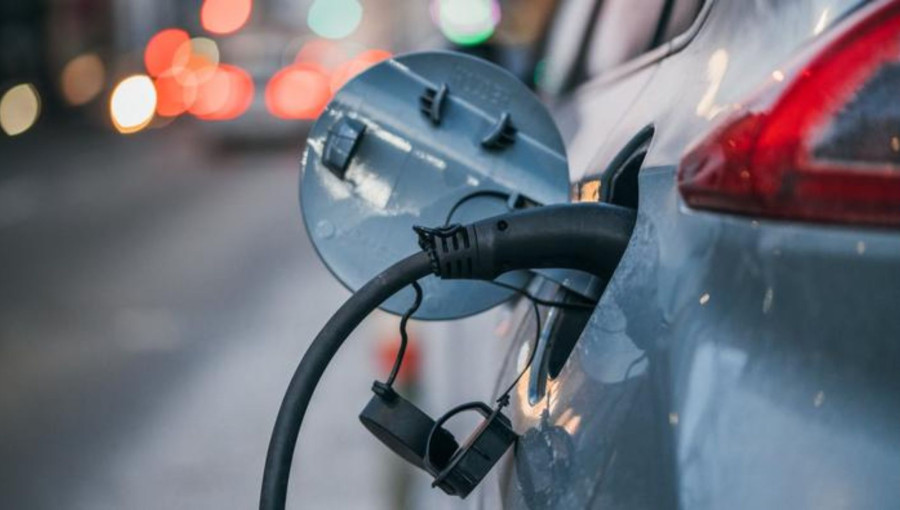
Researchers at Chalmers University of Technology in Sweden have introduced an AI-driven charging method that can extend electric vehicle (EV) battery life by approximately 23%. By utilizing reinforcement learning to customize the charging process according to a battery's specific health and age, the technology mitigates the degradation typically caused by fast charging. The solution is highly practical as it requires only a software update to existing battery management systems, offering a cost-effective way to improve vehicle longevity without sacrificing charging speed or requiring new hardware.
The breakthrough addresses a major hurdle in the transition to electric mobility: the trade-off between convenience and battery health. While fast charging is essential for long-distance travel and commercial operations like taxis or heavy industrial transport, frequent high-voltage charging stresses battery cells. Standard charging protocols currently apply the same current and voltage levels regardless of whether a battery is brand new or several years old. This rigid approach often leads to lithium plating, a phenomenon where metallic lithium accumulates on the electrode rather than being stored within it, eventually reducing capacity and increasing the risk of short circuits.
To combat this, Professor Changfu Zou and Assistant Professor Meng Yuan developed a strategy based on reinforcement learning. The AI was trained using a digital model of a standard EV battery, simulating various conditions to optimize how energy is delivered. The resulting system adjusts the charging current in real-time based on the battery’s state of charge and overall electrochemical health. This dynamic adaptation ensures that the charging process remains efficient while minimizing the internal chemical reactions that lead to wear and tear.
The researchers highlighted that their AI method maintains charging speeds within seconds of current industry standards, meaning drivers will not experience longer wait times at charging stations. Because the technology is software-based, it can be integrated into the existing battery management software of vehicles already on the road. This makes it a potentially universal solution for extending the typical eight-to-15-year lifespan of modern EV batteries.
While the initial model was developed using a specific battery type, the team plans to use transfer learning to quickly adapt the AI to various battery chemistries. The next phase of the project involves moving from digital simulations to testing the method on physical battery units. By optimizing how current is handled during the charging cycle, the researchers hope to significantly lower the total cost of ownership for EVs and reduce the environmental impact associated with premature battery replacement.