Aikido Unveils Floating Wind Powered AI Data Centers
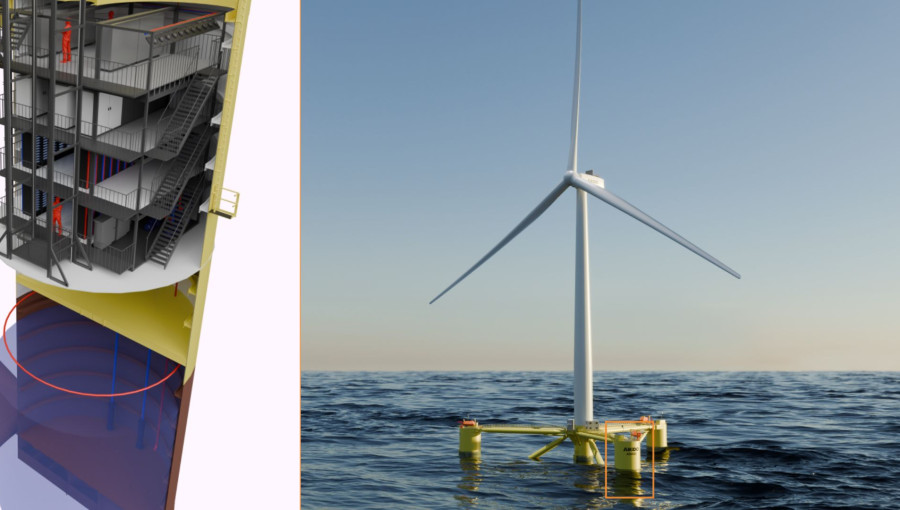
San Francisco-based startup Aikido Technologies has introduced the AO60DC, a pioneering floating offshore wind platform designed to house artificial intelligence data centers. By integrating high-performance computing directly into turbine structures, the company aims to address the soaring energy and water demands of AI infrastructure. The system utilizes the ocean for passive cooling and provides clean power through wind generation and integrated battery storage. Currently undergoing testing in Norway, the technology is slated for commercial deployment in the United Kingdom by 2028, offering a scalable, sustainable solution for the tech industry.
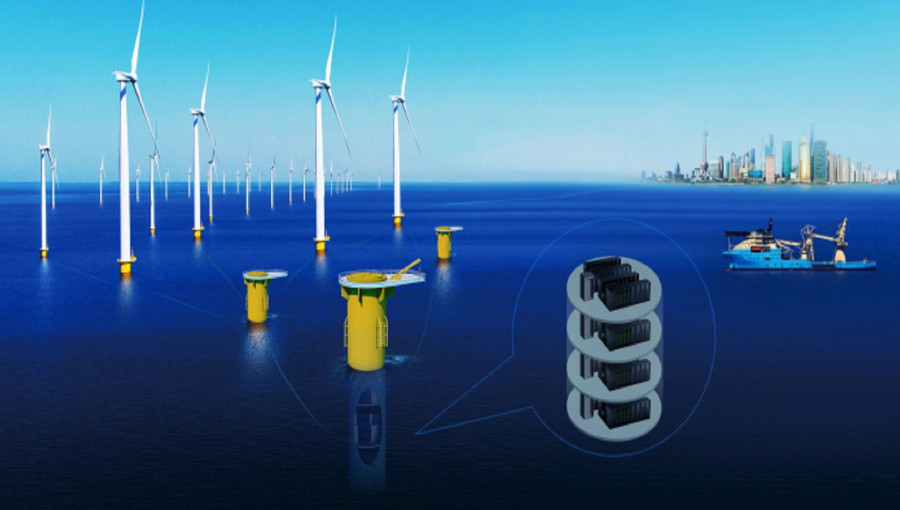
The rapid expansion of artificial intelligence has triggered a global surge in electricity and water consumption, placing immense pressure on land-based infrastructure and local resources. To combat this, Aikido Technologies has unveiled a first-of-its-kind solution that relocates data centers to the open sea. The AO60DC platform combines a 15-18 MW wind turbine with a data hall capable of supporting 10 to 12 MW of AI-grade computing power. This integrated approach allows tech companies to utilize renewable energy at the source while bypassing the environmental strain often associated with terrestrial data centers.
One of the most significant advantages of the offshore design is its cooling efficiency. Traditional data centers require vast amounts of water to cool high-performance GPUs, often depleting local aquifers. Aikido’s platform utilizes the surrounding ocean as a massive heat sink. Through passive cooling via the steel hull, the company expects to achieve a power usage effectiveness (PUE) of 1.08, significantly lower than many conventional facilities. The thermal impact is projected to be minimal and confined to the immediate vicinity of the structure.
The AO60DC is engineered for rapid scalability and cost-efficiency. Utilizing a proprietary "flat-pack" semi-submersible design, the platforms can be assembled up to ten times faster than standard offshore structures. The data halls themselves can be pre-fabricated on land and integrated into the steel unit during final assembly. This modularity allows for the development of massive offshore AI factories ranging from 30 megawatts to a full gigawatt in capacity.
To ensure reliability, each platform includes integrated battery storage. These batteries can be charged by the turbine or from the grid during low-demand periods to provide a steady power supply during grid stress events. Maintenance can be handled by existing offshore service fleets, ensuring the high uptime standards required by the tech industry.
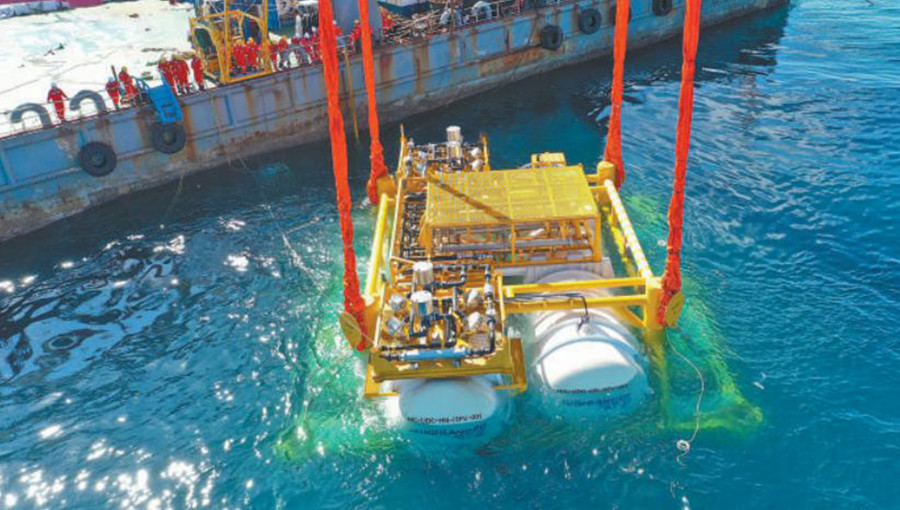
While a proof-of-concept is currently being tested in Norway, the company is looking toward a broader international rollout. Aikido plans to have its first commercial deployment operational in the United Kingdom by 2028. CEO Sam Kanner noted that by merging proven offshore engineering with modern data center construction, the company is positioned to build the next generation of clean, efficient AI infrastructure.