Breakthrough Makes Lithium Recycling Cheaper Than Mining

A breakthrough in battery recycling could make recovering lithium from spent devices economically feasible for the first time. Researchers at the University of Illinois Urbana-Champaign have engineered a unique electrode that acts like a sponge, selectively absorbing lithium from a solution made from dismantled batteries. This new process is highly efficient and remarkably affordable, costing less than purchasing newly mined lithium. The technology promises to create a more sustainable and secure supply chain for this critical metal, reducing reliance on environmentally damaging mining operations.
Lithium is the cornerstone of modern rechargeable batteries, prized for its low weight and superior electrochemical properties that allow it to store and release large amounts of energy efficiently. However, extracting lithium from the earth is an expensive and often environmentally taxing process. While recycling spent lithium-ion batteries presents a logical alternative, existing methods have struggled to be cost-effective, limiting their widespread adoption.
Current recycling techniques, such as high-heat smelting or acid leaching, are often inefficient and can be prohibitively expensive. Smelting can cost between $36 and $126 per kilogram of lithium recovered, while acid-based methods can range from $81 to $462 per kilogram and generate significant chemical waste. These economic hurdles have created a major bottleneck in establishing a circular economy for battery materials.
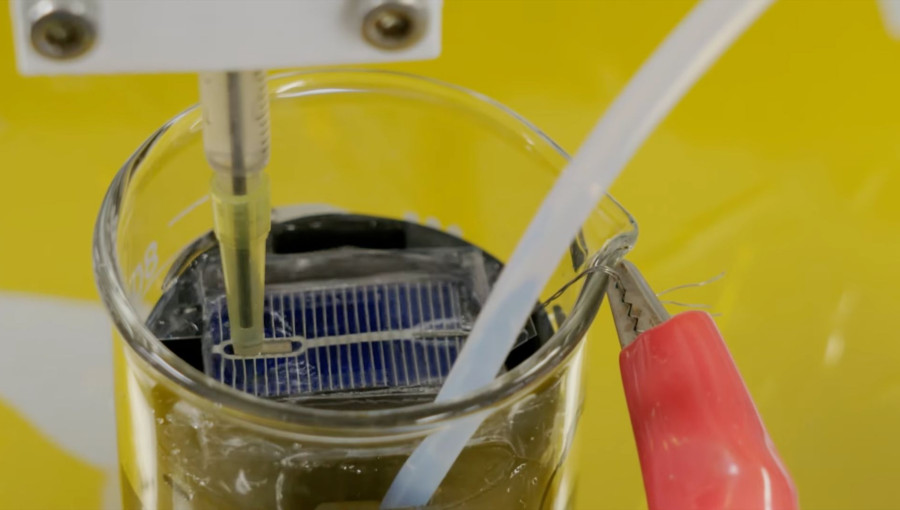
To overcome this challenge, a team led by Professor Xiao Su developed a novel electrochemical approach. The process begins by disassembling old batteries and dissolving their components in an organic solvent, creating a brine rich in various metals. The team’s key innovation is a specialized electrode made from a copolymer designed to specifically target lithium. When an electrical current is applied, this electrode selectively pulls lithium ions out of the solution, leaving other metals like cobalt and nickel behind.
The results of this proof-of-concept study are highly promising. The electrode maintained its effectiveness for over 500 cycles, demonstrating impressive durability. Most significantly, the researchers calculate the cost of recovery at just $12.70 per kilogram of lithium. This figure is not only a fraction of the cost of other recycling methods but is also competitive with, and at times cheaper than, the market price for newly mined lithium.
The researchers believe their work, published in the journal *ACS Energy Letters*, could pave the way for the first commercially viable method of recapturing lithium from battery waste. Professor Su noted that the findings highlight the potential for electrochemical separation in recycling. By scaling up and refining this technology, it could help establish a more secure and sustainable supply chain for lithium, reducing the environmental impact associated with conventional mining and strengthening the circular economy.