Balcony Solar Systems Gain Momentum Across America
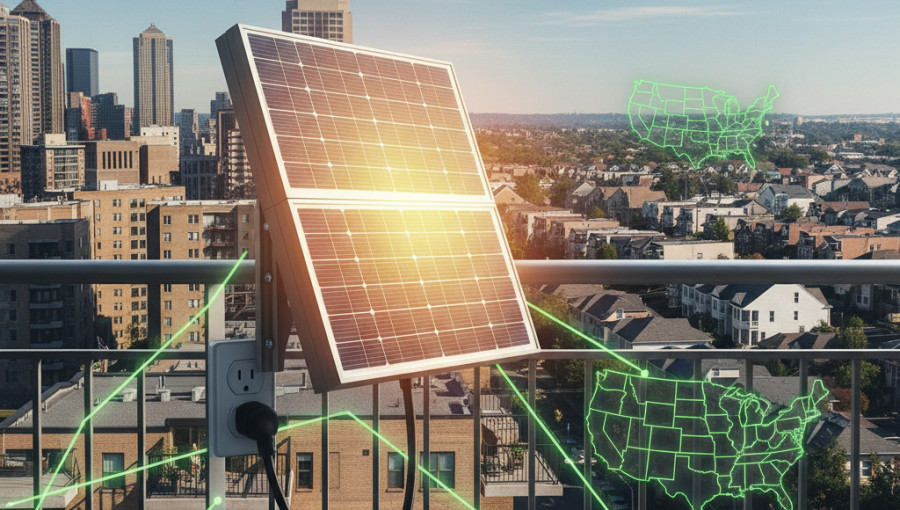
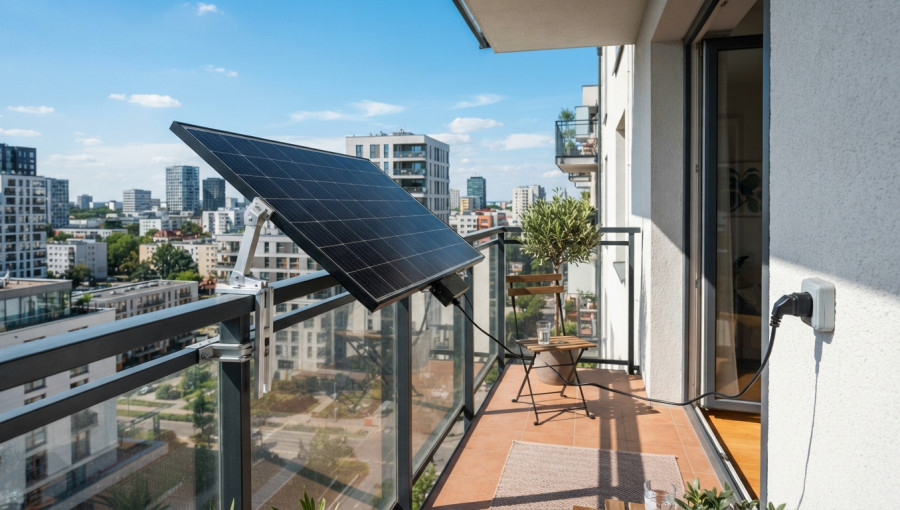
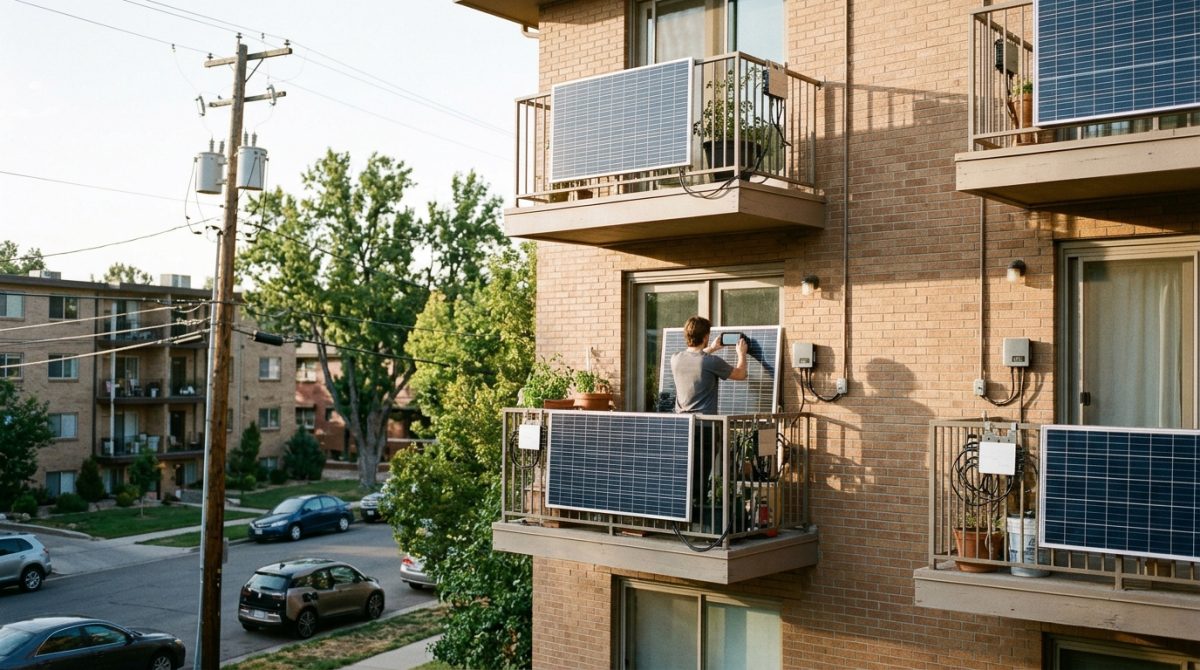
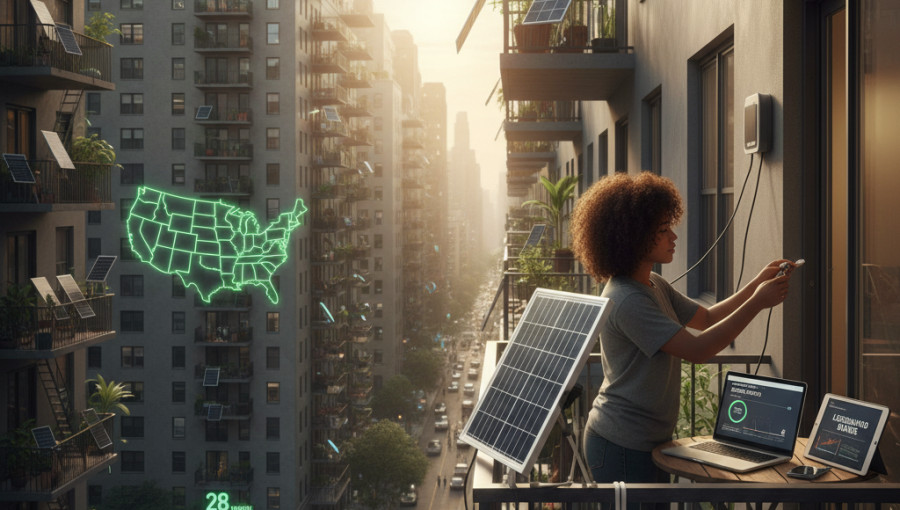
The United States is on the verge of a significant shift in residential energy as balcony solar systems begin to gain legislative and popular momentum. These compact, DIY-friendly setups allow residents to generate renewable power by simply hanging a solar panel on a railing and plugging it into a standard outlet. With Utah leading the way in 2025 and several other states following suit, these systems offer a vital alternative for the nearly 40% of American households unable to install traditional rooftop arrays. By reducing CO2 emission and lowering monthly bills, balcony solar is transforming from a niche hobby into a mainstream climate solution.
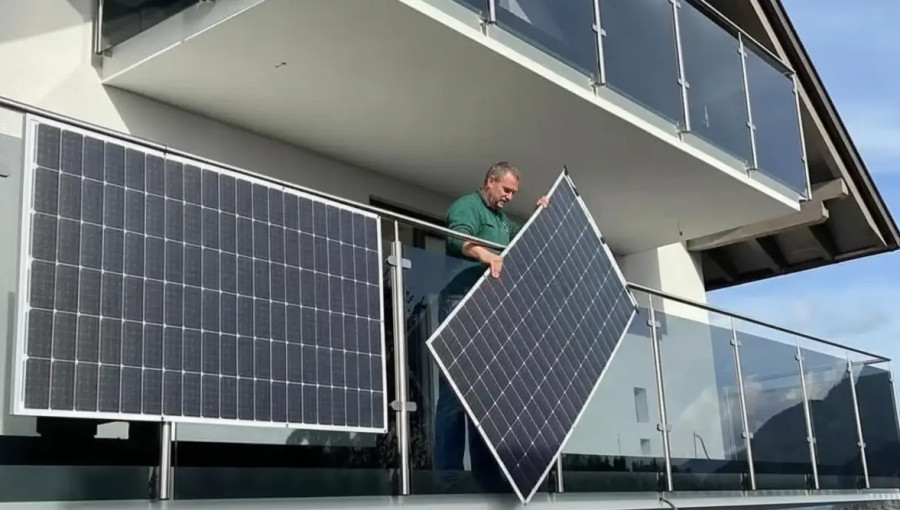
The rise of balcony solar represents a democratization of clean energy, particularly for renters and those living in multi-family housing. These systems typically consist of one to four solar panels connected to an inverter, which converts the harvested energy into the alternating current used by household appliances. While traditional rooftop installations are often complex and expensive, a balcony solar unit can be set up by a layperson in less than an hour. Most emerging state regulations propose capping these systems at 1,200 watts, providing enough electricity to offset the energy consumption of a refrigerator or several small electronics during peak sunlight hours.
Financially, the barrier to entry is notably lower than that of conventional solar. Prices for these plug-in kits generally range from a few hundred dollars to approximately $2,300 for larger multi-panel configurations. In high-cost energy markets like California, the payback period can be as short as four to five years. Given that many solar modules are warranted for over 30 years, users can enjoy decades of nearly free electricity once the initial investment is recovered. Furthermore, in states with active plug-in solar laws, homeowners can often bypass the utility fees and permit requirements that typically accompany larger installations.
Safety and standardization remain at the forefront of the transition. Industry experts have noted potential risks, such as circuit overheating or electrical shock, if systems are not properly engineered. In response, safety science organizations like UL Solutions have developed the UL 3700 standard specifically for plug-in solar products. While fully certified products are just beginning to reach the market, the rigorous testing ensures that future systems will include built-in safeguards, such as specialized plugs and internal circuit breakers, to mitigate hazards.
The American market is looking toward Europe for a glimpse of the future. Germany has seen its balcony solar adoption explode from 40,000 units in 2017 to an estimated 4 million by 2025, with a strong safety record. As U.S. manufacturers wait for further regulatory clarity, the industry expects a surge in innovation that will make these products even more accessible. While these systems currently require a battery backup to function during power outages, their primary role is to serve as a simple, effective tool for individuals to take direct action against rising energy costs and climate change.