US Community Solar Sector Surpasses 10GW Capacity Milestone
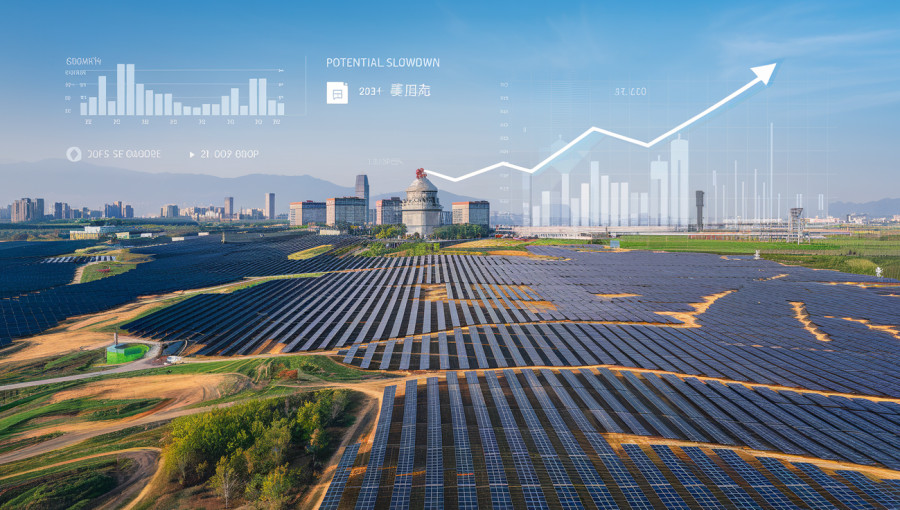
The United States community solar sector has achieved a significant milestone, surpassing 10GWdc of cumulative capacity by late 2025. Despite a projected 25% year-on-year decline in 2025 caused by saturation in mature markets like New York and Maine, analysts expect a recovery in 2026 with a 12% growth rate. Driven by a robust 8GWdc development pipeline and emerging legislative support in states like Ohio and Pennsylvania, the industry is increasingly focusing on "community-scale" projects to enhance grid reliability and meet rising energy demands.
According to a joint report from Wood Mackenzie and the Coalition for Community Solar Access (CCSA), the recent dip in installations reflects a transition period for the industry. While existing state-level programs are expected to see an average annual contraction of 5% through 2030, the short-term outlook remains supported by a substantial volume of projects currently in development. Approximately 29% of the 8GWdc pipeline is already under construction, as developers work to navigate complex federal policies and interconnection backlogs to secure Investment Tax Credit (ITC) benefits before upcoming deadlines.
Growth in 2026 is expected to be fueled by expanding markets in Illinois and the Mid-Atlantic region. However, long-term expansion depends heavily on the establishment of new state-level programs. Legislative efforts in states such as Michigan, Iowa, Pennsylvania, and Ohio could potentially add over 1.5GWdc of capacity by 2030. Analysts warn that the scheduled removal of the ITC in 2030 may introduce new challenges for program design and project timelines in the coming decade.
A notable shift in the sector is the rise of "community-scale" resources—solar installations with a capacity of up to 20MW. Utilities are increasingly integrating these smaller, distribution-grid-connected projects into their long-term strategies. These resources can be deployed more rapidly than large-scale utility projects and offer improved grid flexibility, especially when integrated with energy storage systems. This trend is particularly evident in regions where there is an urgent need for new generation to satisfy rapidly growing consumption.
Industry leaders view the 10GW achievement as a landmark moment that underscores the resilience of distributed clean energy. While the sector faces regulatory and logistical hurdles, the diversification of business models and the push into new geographic markets suggest that community solar remains a vital tool for providing accessible and affordable power. The ongoing evolution of the industry highlights its ability to adapt to a changing energy landscape while continuing to serve as a cornerstone of the national transition to renewable energy.