Floating Solar Technology Reshapes US Renewable Energy Landscape
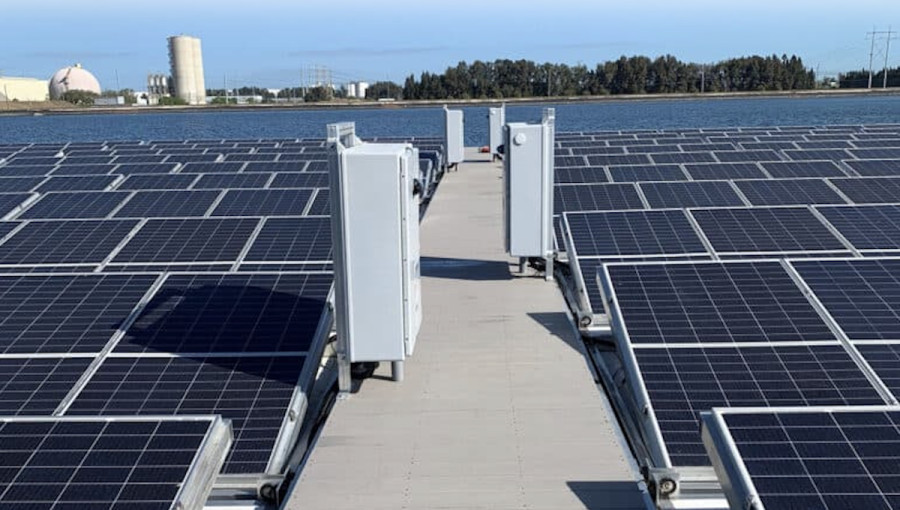
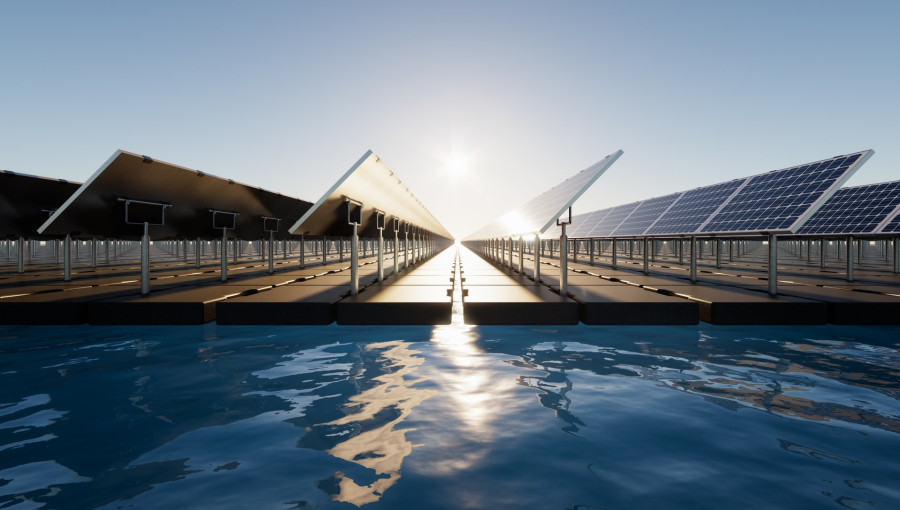
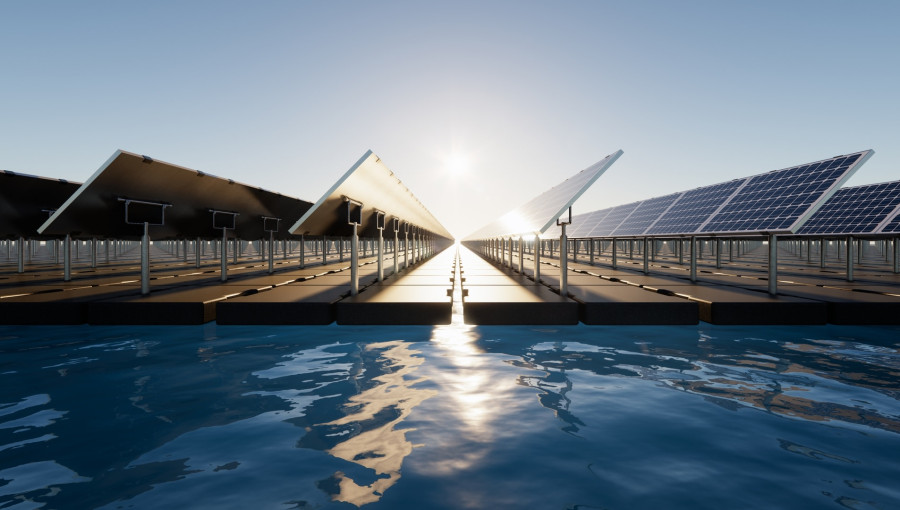
The United States is seeing a significant surge in floating solar development as land-use constraints drive energy projects toward water-based surfaces. By utilizing reservoirs, irrigation ponds, and even flood zones, developers are bypassing traditional land conflicts while benefiting from the natural cooling effects of water on solar panels. With technological advancements in conversion efficiency and solar trackers, the industry is poised to transform thousands of man-made water bodies into power hubs, potentially meeting a substantial portion of the nation’s electricity demand.
The evolution of the "floatovoltaic" sector is being spearheaded by firms like Florida-based AccuSolar, which recently supported a massive 391-megawatt project in Texas. The company’s roots trace back to AccuDock, a floating dock manufacturer that provided the infrastructure for the first US floating solar installation at a California winery in 2009. CEO Jason Harrison notes that the transition from docks to energy infrastructure was a natural progression, leveraging decades of experience in marine environments to create more durable and efficient floating structures.
Beyond traditional reservoirs, the industry is identifying new opportunities in unconventional areas such as stormwater retention sites, industrial basins, and irrigation canals. These systems are designed to be resilient; in flood zones, the platforms remain on the ground during dry periods and rise as water levels increase. This flexibility allows for the utilization of otherwise unusable land, making solar energy production more self-sustaining and less intrusive to local ecosystems.
Technological innovations are further accelerating this growth. Modern solar modules now offer higher conversion efficiency, allowing developers to generate more power from a smaller footprint. This is particularly vital in areas where water surfaces must be shared with recreational activities or wildlife habitats. Furthermore, the introduction of floating solar trackers, such as Noria’s AquaPhi system, is bringing land-based efficiency gains to the water, optimizing the angle of solar cells throughout the day.
The scale of potential is immense. Research suggests that installing solar panels on approximately 24,000 man-made water bodies across the US could fulfill 10% of the country’s electricity needs. Such a feat would save roughly 2.02 million hectares of land that would otherwise be required for traditional arrays. More recent data focusing on federal reservoirs indicates a technical potential of 1,475 terawatts annually, enough to provide clean energy to 100 million households.
Ecological sustainability remains a core focus as the industry expands. Studies from Cornell University suggest that larger water bodies located along bird migration routes may actually pose less risk to avian populations than smaller sites when managed with ecologically informed siting. Additionally, while solar panels can reduce evaporation and limit harmful algae blooms by shading the water, researchers at Oregon State University emphasize that each site requires a bespoke approach, as aquatic responses vary based on local conditions.
Despite shifts in federal energy policy, the economic momentum of the floating solar sector remains strong. Market analysts point to a renewed global interest in maximizing reservoir surfaces as a cost-effective way to expand renewable capacity. By integrating existing water-industry supply chains and workforce expertise, the US is positioning floating solar as a critical component of its future energy infrastructure, balancing power generation with land conservation and environmental stewardship.