Brazil Wind And Solar Reach Historic Energy Milestone
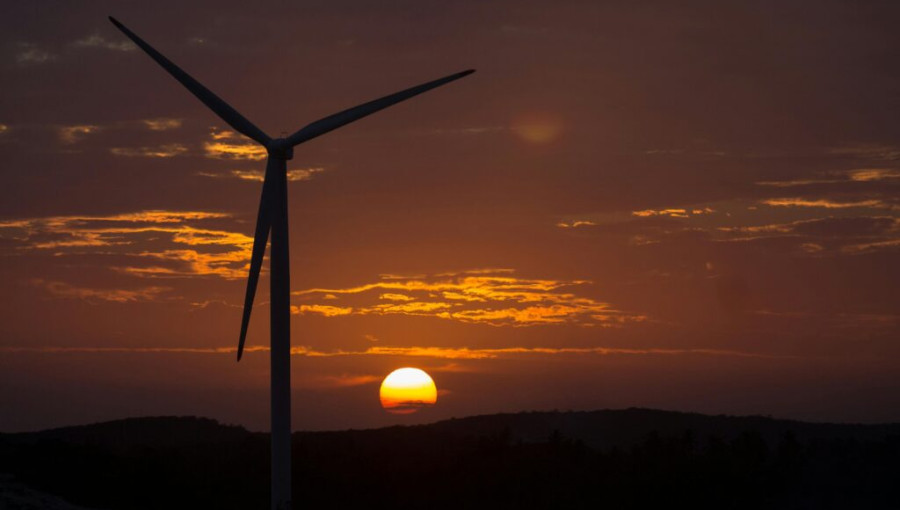
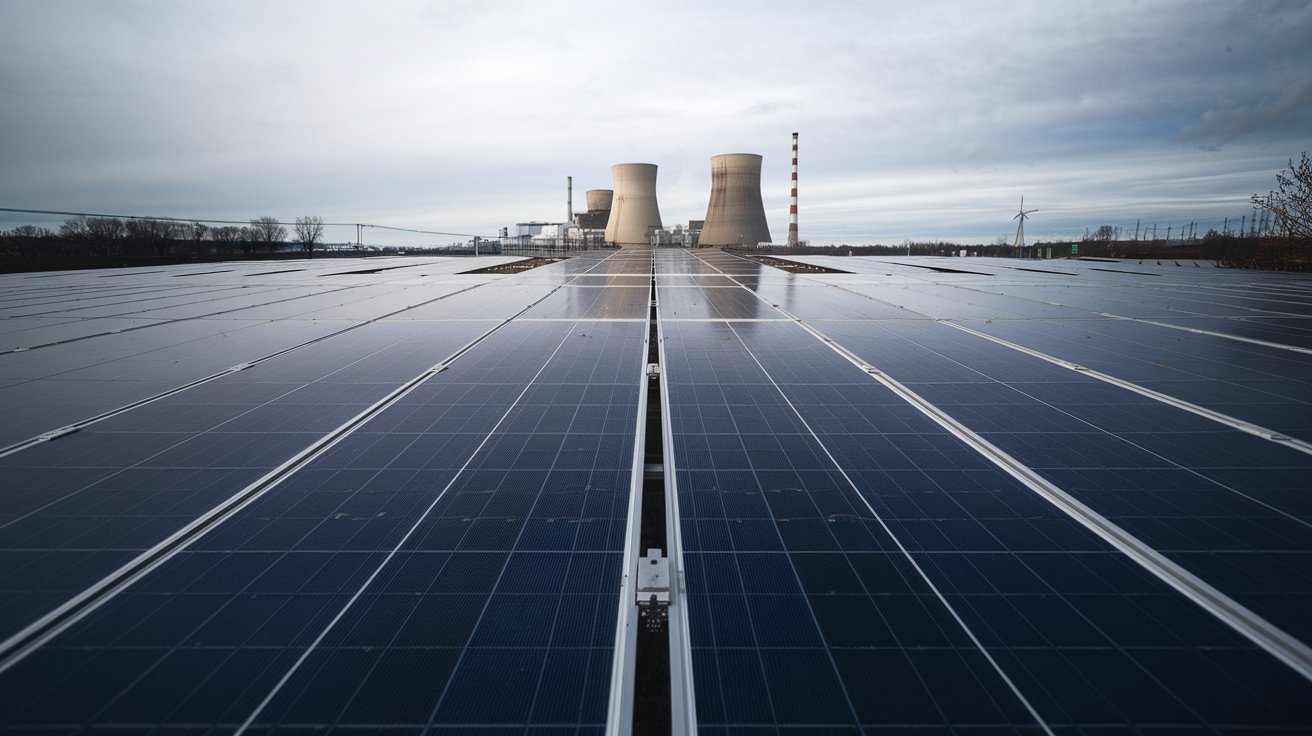
Brazil has achieved a historic milestone in its energy transition, with wind and solar power accounting for more than one-third of the nation’s total electricity generation for the first time in August 2025. According to data from Ember, these renewable sources produced 19 terawatt-hours of electricity during the month, sufficient to power approximately 119 million homes. This 34% share of the energy mix underscores Brazil's position as a global leader in clean energy, demonstrating that large developing economies can successfully decouple industrial growth from carbon emissions.
The achievement reflects a decade of aggressive expansion within the Brazilian power sector. Between 2014 and 2024, wind and solar generation increased fifteenfold, a transformation that has significantly reduced the country's historical reliance on fossil fuels. This rapid scaling has consistently outpaced the rising demand for electricity across the nation, fundamentally reshaping the energy landscape of South America’s largest economy.
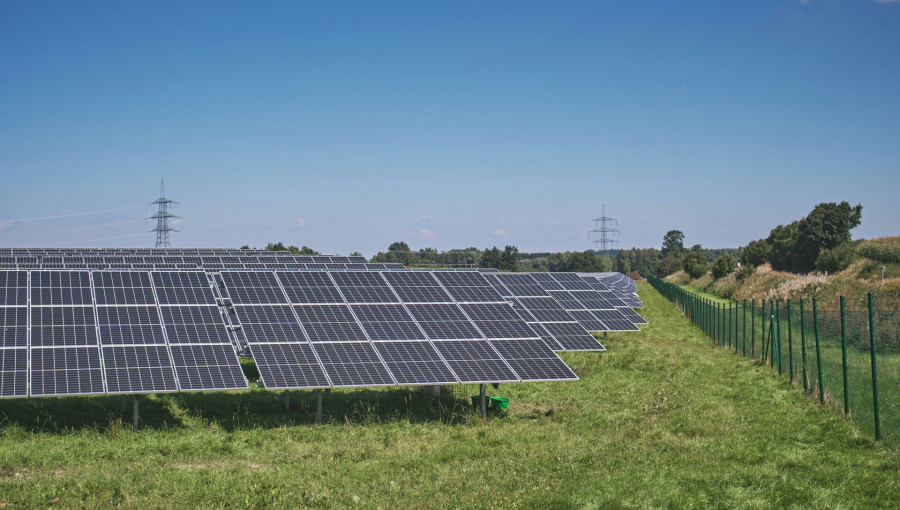
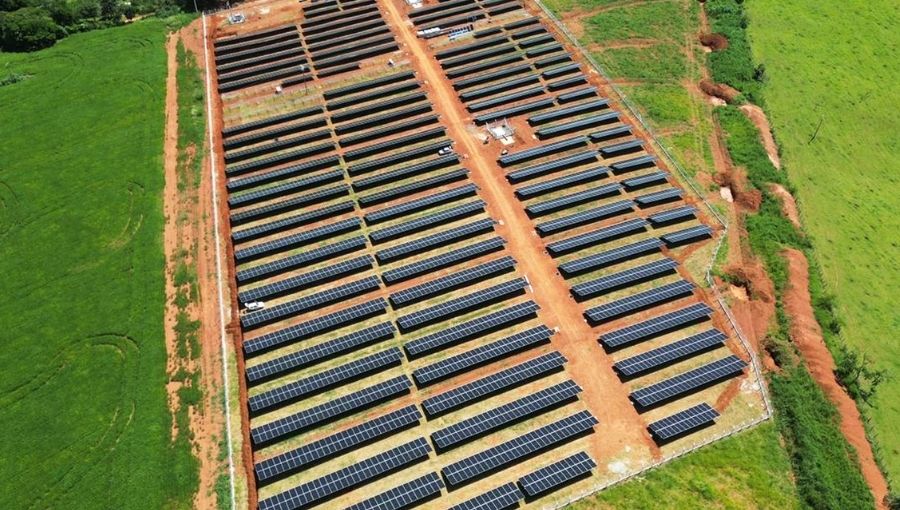
Solar power has been a primary driver of this recent surge, with its share of the energy mix growing from a mere 1% in 2019 to 9.6% by 2024. This nearly tenfold increase in five years is attributed to the plummeting costs of solar panel technology and government policies that support both large-scale utility projects and smaller distributed installations. Meanwhile, wind energy has provided a steady foundation for the grid, increasing its share from 8.8% to 15% over the same period, bolstered by favorable wind patterns along the northeastern coastline.
The environmental impact of this shift is substantial. Since peaking in 2014, power sector CO2 emission levels have dropped by 31%, even as total electricity demand grew by 22% during the same timeframe. This progress highlights the effectiveness of integrating variable renewables alongside Brazil’s established hydropower infrastructure. Hydropower continues to provide the majority of the nation's electricity, offering essential storage and grid stability to balance the fluctuations inherent in wind and solar production.
Economic competitiveness, rather than heavy subsidization, has fueled much of this transition. National energy auctions frequently see wind and solar projects winning contracts because they are now cheaper to build than new fossil fuel plants. Furthermore, significant investments in grid infrastructure and transmission lines have allowed the country to transport clean energy from resource-rich northern and central regions to the high-demand industrial hubs and coastal cities in the south.
Beyond environmental goals, the technological transformation has spurred significant job creation and rural development. The renewable energy sector now employs hundreds of thousands of Brazilians in manufacturing, installation, and maintenance. Additionally, small-scale solar installations have brought reliable electricity to remote communities, improving living standards while supporting national climate targets. Looking ahead, industry analysts predict that wind and solar could contribute up to 50% of Brazil’s electricity generation within the next few years.