Solar Panels Help Endangered Desert Plants Thrive

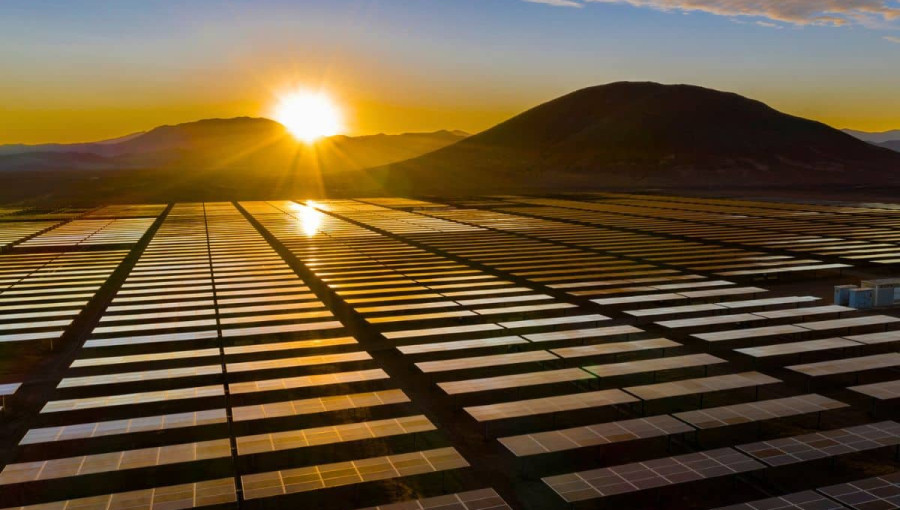
A groundbreaking study at the Gemini Solar Project in the Mojave Desert reveals that solar energy infrastructure can coexist with and even bolster rare plant populations. By avoiding traditional land-clearing methods, researchers found that the endangered threecorner milkvetch flourished under solar panels, with its population jumping from 12 to 93 plants. This approach, known as ecovoltaics, utilizes the shade from solar panels to conserve soil moisture, creating favorable microclimates. The findings suggest that renewable energy development can be a tool for biodiversity conservation rather than a threat to fragile ecosystems.
The Mojave Desert, often perceived as a desolate landscape, is home to a diverse array of life, including the threecorner milkvetch. This rare member of the pea family is currently under consideration for protection under the Endangered Species Act. Traditionally, the construction of solar farms involves a "blade and grade" technique, where developers strip away native vegetation and level the soil. This process destroys the natural seed banks essential for desert regrowth. However, the Gemini Solar Project outside Las Vegas adopted a gentler construction strategy designed to preserve the existing environment.
The results of this experimental approach have been significant. Before development began, scientists identified only 12 threecorner milkvetch plants on the site. By 2024, that number had risen to 93, confirming that the seed bank survived the installation process. Furthermore, the plants located within the solar facility grew taller and wider, producing more fruit and flowers than those in undisturbed neighboring plots. This growth is attributed to the solar panels providing shade, which reduces soil evaporation and allows plants to utilize limited water more efficiently.
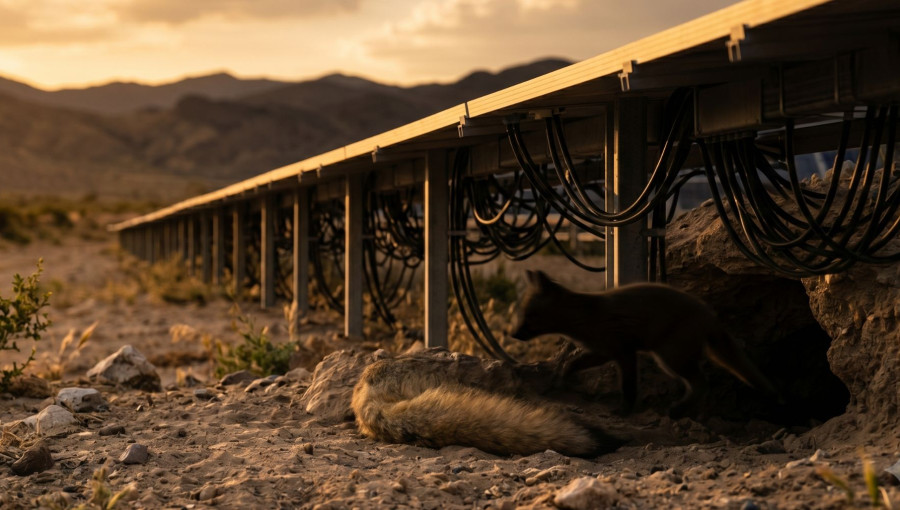
Tiffany Pereira, an ecologist at the Desert Research Institute and lead author of the study, noted that the survival of the seed bank is a phenomenal outcome for desert conservation. This method is part of an emerging field called ecovoltaics, which prioritizes the integration of native species into solar facility design. By seeding the ground with indigenous grasses and flowers, developers can create habitats that attract birds, bats, and essential pollinators.
Similar successes have been documented in other regions. In Minnesota, a five-year study of solar sites built on former agricultural land showed a sevenfold increase in unique flowering plant species. The abundance of native bees at these sites increased twentyfold, creating a ripple effect that attracted insect-eating birds and bats. These findings suggest that solar farms can function as effective wildlife sanctuaries when managed with ecological sensitivity.
The success of these projects often depends on specific design choices, such as the height of the solar panels. While taller supports allow for a wider variety of plant growth and accommodate "conservation grazing" by sheep or goats, they also increase construction costs. Researchers are currently working with developers to find an optimal balance. For instance, even if panels are set as low as 60 centimeters, specific seed mixes and management styles can still be used to maximize habitat quality.
Beyond biodiversity, the industry is also exploring agrivoltaics, the practice of growing crops beneath solar panels. This technique creates a microclimate that protects vegetation from extreme temperature fluctuations and can reduce water consumption by up to two-thirds. As researchers identify high-value crops suitable for these environments, the combination of renewable energy and sustainable agriculture offers a promising path forward for land use that supports both the power grid and the planet’s natural resources.