California's Voltus Proposes Crowdsourcing to Ease Power Grid Strain
Data centers are increasingly straining the U.S. power grid, prompting California's Voltus to propose a crowdsourcing solution. By employing its "bring your own capacity" initiative, Voltus aims to connect data center operators with utility customers who can reduce their energy use during peak demand times. This approach is designed to alleviate pressure on the grid, particularly as the demand for energy rises with rapid data center expansion. With data centers facing extensive delays in securing grid connections, this strategy could provide a faster, more affordable alternative for power consumption management.
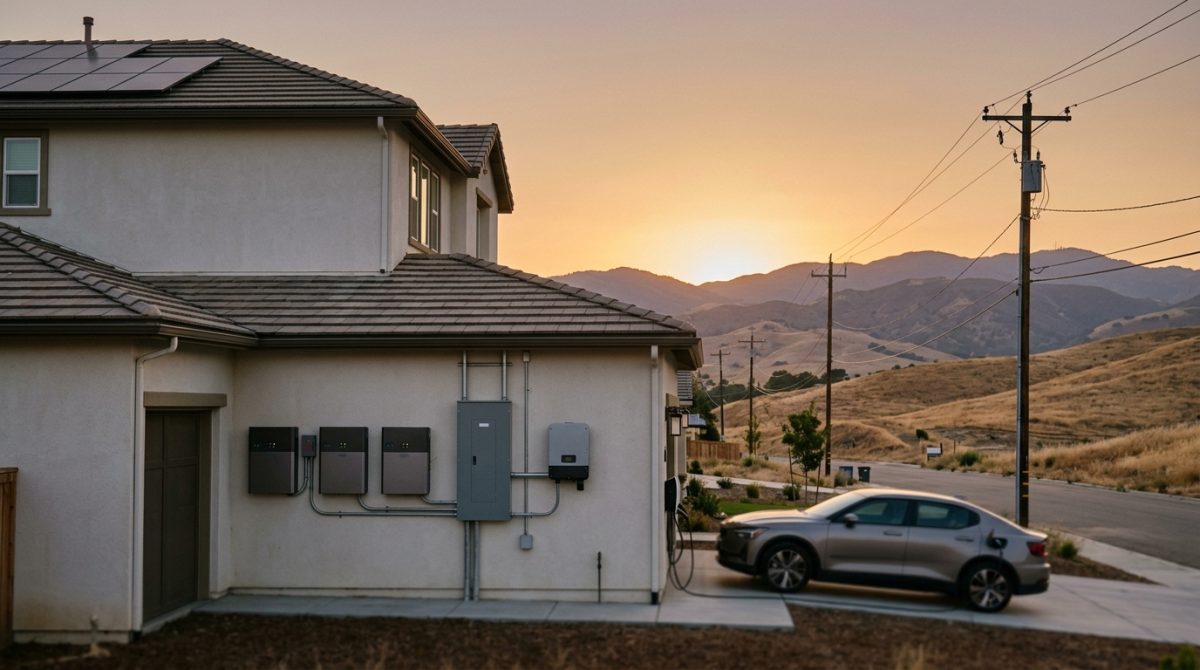
Voltus operates virtual power plants that allow homes and businesses to contribute their electricity resources, including solar power and batteries, to help stabilize the grid. The firm's latest proposal encourages data centers to compensate other utility customers for cutting back on power usage during critical times, without compromising their computing functions. This comes in light of escalating electricity demands and costs, which are challenging both developers and utility companies to secure quick solutions that don’t burden the grid or escalate customer expenses.
Dana Guernsey, Voltus’ CEO, highlights the method's cost efficiency compared to traditional power plant construction, allowing for quicker grid connections for new data centers. Currently, Voltus has secured collaboration with Cloverleaf Infrastructure, which is developing large-scale data centers. This partnership aims to implement the new capacity-sharing model efficiently, potentially reducing connection times from years to months, which is increasingly vital given the high demand for electricity in data centers.
Recent partnerships illustrate this trend, such as Google's agreements with Indiana Michigan Power and the Tennessee Valley Authority. These contracts, although focused on shifting computational loads to meet grid demands, also incorporate elements like transferring renewable energy credits. This underscores the versatility of utilizing virtual power plants to meet energy requirements in increasingly efficient ways.
However, challenges remain, as utilities view demand response primarily as a short-term fix rather than a substitute for new infrastructure. Guernsey acknowledges that while they are pushing for change, many discussions about implementing these innovative solutions are occurring with a long-term outlook, around 2027 or 2028. Pent-up energy demands, particularly in crowded areas like the Mid-Atlantic and Midwest where the cost of electricity is surging, make it imperative for grid operators to adapt to the burgeoning role of virtual power plants.
Experts argue the integration of virtual power plants is essential for accommodating the rising energy needs while controlling costs. Some regions have started to recognize this need, yet actual implementation to ease data center pressures remains a complex task. Data centers might benefit from colocating in areas with sufficient grid capacity, or developing their own renewable generation solutions. Ultimately, bringing virtual power plant strategies to fruition could mitigate the exorbitant demands large data centers place on existing infrastructures, ensuring they shoulder the associated energy costs.