CATL Launches Rapid Battery Swap Network For Electric Trucks
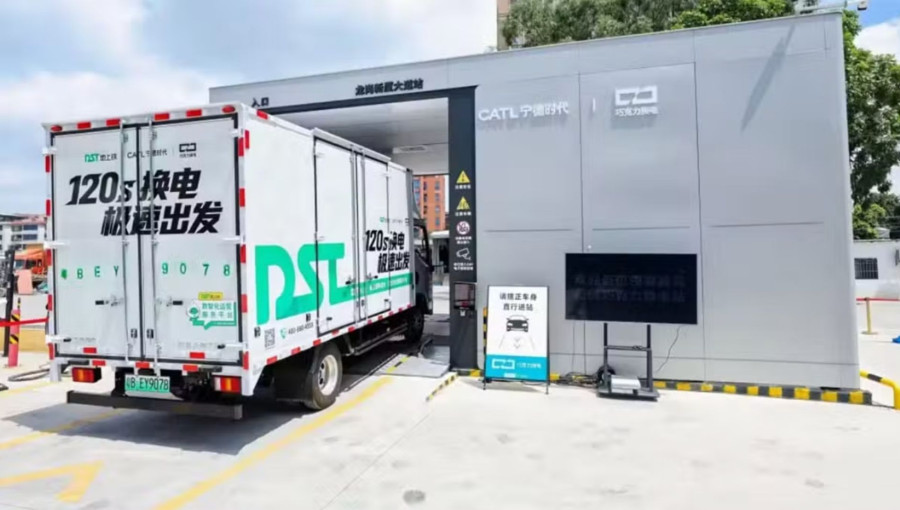
Battery giant CATL has launched China’s first standardized battery swap ecosystem for light trucks, aiming to transform urban logistics by drastically reducing vehicle downtime. Through its “Choco-swap” technology, the company enables battery replacements in just 120 seconds, offering a faster alternative to traditional charging. By partnering with logistics operator DST, CATL is deploying these modular systems to lower operating costs and improve fleet efficiency. With dozens of stations already operational in the Greater Bay Area, the company plans a massive infrastructure expansion, targeting 30,000 swap stations nationwide to support both commercial and passenger electric vehicles.
The Choco-swap system is designed to provide significant operational advantages for logistics fleets. According to CATL, the technology can save over 2,000 hours of refueling time over an eight-year vehicle life cycle. Furthermore, the cost of energy replenishment is estimated to be half that of operating a conventional fuel-powered light truck. The modular stations are engineered for versatility, supporting vehicles with wheelbases between 2.7 and 3.75 meters and ensuring compatibility with the company’s 25# and 35# battery packs. This interoperability allows the same infrastructure to serve a diverse range of vehicle categories.
CATL currently operates 31 light truck battery swap stations in the Guangdong-Hong Kong-Macao Greater Bay Area and intends to expand this network to 140 locations by the end of the year. In collaboration with its subsidiary, Contemporary Amperex Energy Service Technology, and logistics partner DST, the company aims to have 5,000 standardized electric light trucks in operation across the region by 2026. This initiative is intended to serve as a blueprint for a broader, nationwide rollout of standardized urban distribution hubs.
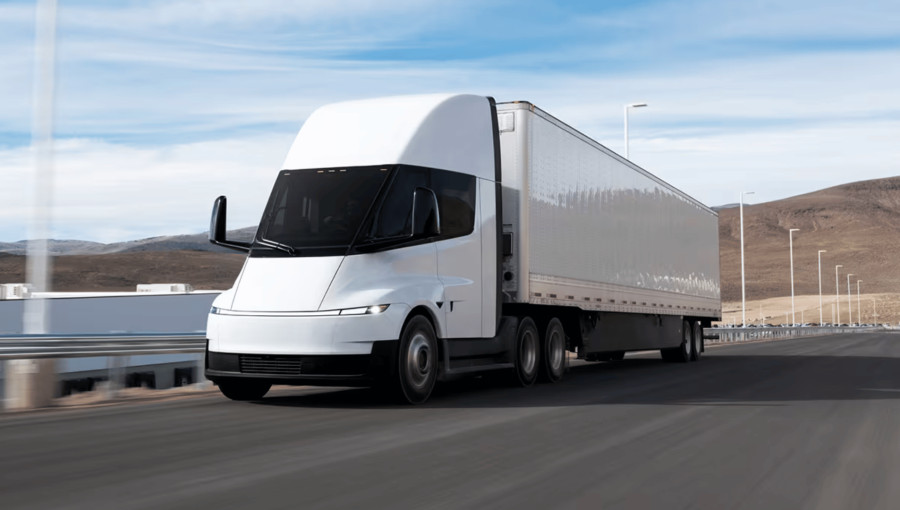
Beyond light-duty logistics, CATL is aggressively pursuing electrification in other transport sectors. The company is developing a network of 900 battery swap stations specifically for heavy-duty trucks by 2026, following successful trials that demonstrated significant cost savings on freight routes. Additionally, CATL has entered agreements to establish battery swap networks for public transport, including taxis. As China continues to prioritize electric vehicle infrastructure, CATL’s strategy focuses on replacing long charging wait times with rapid, standardized energy replenishment to ensure high vehicle utilization across the commercial transport industry.