China Commissions Massive Xiaowan Hydro Solar Hybrid Project
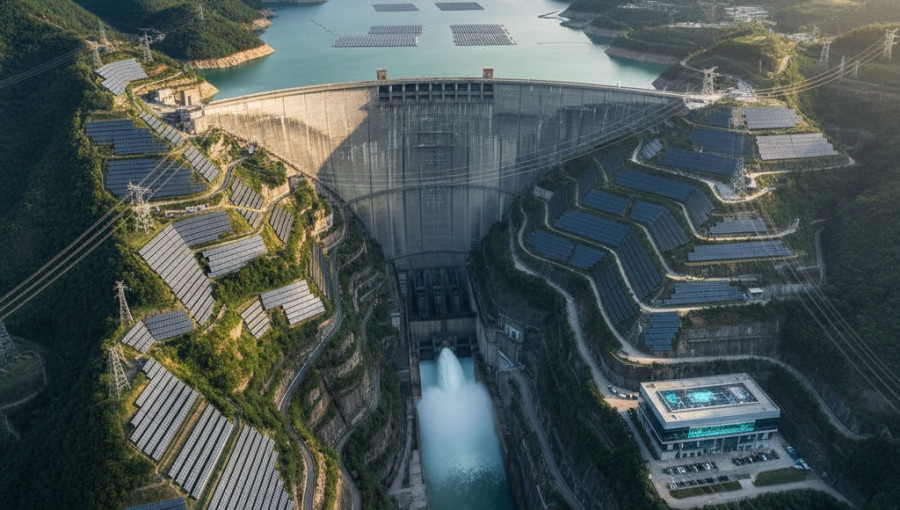
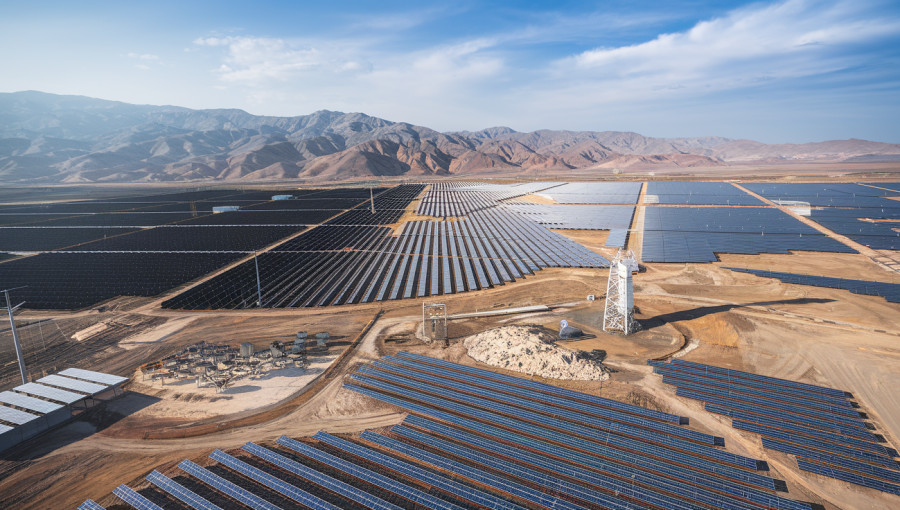
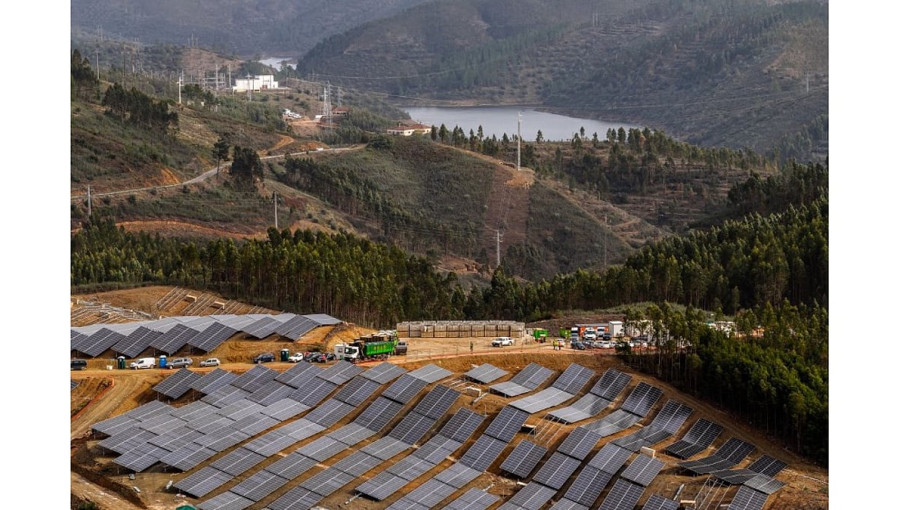
State-owned energy giant Huaneng Group has officially commissioned the 5.43 GW Xiaowan Hydropower–Solar Hybrid Project in Yunnan province, China. This massive renewable energy complex integrates 4.2 GW of existing hydropower with 1.23 GW of newly added solar power capacity. By utilizing a sophisticated "hydro–solar intelligent coordination" system, the facility synchronizes output from 16 different solar plants with the Xiaowan Hydropower Station's generation. This innovative approach leverages the dam’s massive reservoir to stabilize the intermittent nature of solar energy, ensuring a reliable and steady power supply for the regional grid.
The project is managed by Huaneng Lancang River Hydropower Co., Ltd. and represents a significant milestone in China's push for integrated renewable energy hubs. The core of the facility is the Xiaowan Hydropower Station, which now serves as a central hub for energy collected from 16 surrounding solar sites. This energy is funneled through a specialized collection station before being transmitted alongside the hydropower output.
A key feature of this hybrid complex is its advanced control technology. The system utilizes the hydropower plant’s millisecond-level response capabilities and the reservoir’s vast storage capacity to function as a large-scale natural battery. This allows for seamless storage and transmission, effectively mitigating the fluctuations typically associated with solar power. Furthermore, Huaneng emphasized that the project has achieved full localization of its critical infrastructure. This includes domestically produced monitoring systems for the solar plants, protection devices, and static synchronous compensators (STATCOMs).
The physical centerpiece of the operation is the Xiaowan Dam, a 292-meter-high double-curvature arch dam situated on the Lancang River. Completed in 2010, it remains one of the tallest structures of its kind globally. The hydropower component consists of six Francis turbines, each with a capacity of 700 MW.
With a total reservoir volume of approximately 15 billion cubic meters, the dam provides essential regulatory functions for the river's cascade system. Beyond power generation, it facilitates multi-year water storage, sediment retention, and flood control. Its ability to manage downstream flow while balancing large-scale renewable energy inputs makes it a cornerstone of the energy infrastructure in southwestern China.