China Mandates Digital Tracking For EV Battery Recycling
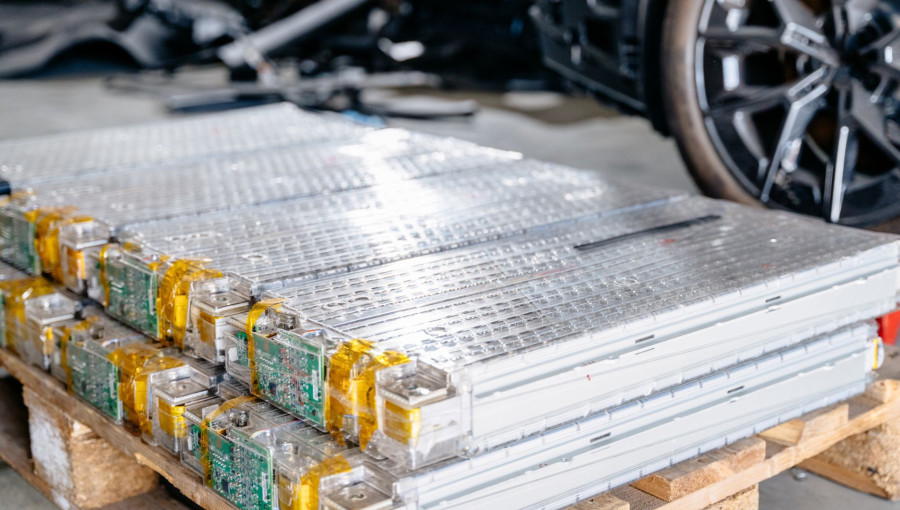
China is formalizing its electric vehicle battery recycling sector by introducing strict digital traceability and standardized infrastructure requirements. The new policy framework aims to create a comprehensive closed-loop system where every lithium-ion battery is tracked from production to disposal through a centralized data platform. By mandating closer cooperation between manufacturers and specialized recyclers, Beijing seeks to enhance material recovery efficiency and manage the rapidly increasing volume of retired power units, ensuring a sustainable and transparent supply chain for its massive electric vehicle industry.
The initiative focuses on scaling and professionalizing the lithium-ion battery recycling ecosystem through a strategy that prioritizes industrial consolidation and digital oversight. Under the new guidelines, collection networks will be expanded, and leading recycling firms will receive additional support to increase their processing capacities. A primary objective is the integration of manufacturers and recyclers, with electric bicycle and vehicle producers encouraged to partner with recycling entities to establish robust collection and temporary storage systems.
Central to this regulatory shift is the China Recycling Group, which has been tasked with expanding processing operations and implementing adaptable recycling models tailored to different regions. This move signals a transition toward a more centralized approach to material recovery, moving away from fragmented practices to a more organized industrial scale.
To ensure transparency, authorities have launched a nationwide digital traceability system for power batteries. This platform, which became operational on April 1, requires manufacturers, vehicle owners, and recycling facilities to upload data regarding battery production, performance during use, and end-of-life handling. Each battery is assigned a unique digital identity, allowing regulators to monitor the unit’s entire lifecycle through a centralized data architecture. This system integrates various stakeholders—including battery makers, maintenance providers, and recycling firms—into a unified oversight model.
Furthermore, the policy aims to eliminate regional discrepancies by instructing local governments to follow unified technical guidelines. This top-down governance approach is expected to intensify in the coming years. New regulations scheduled for 2026 will place even greater responsibility on automakers and battery producers to manage retired units and develop dedicated service networks for recycling. These measures are designed to strengthen formal recycling channels and improve the safety and efficiency of battery collection and transport as the first generation of mass-produced EVs reaches the end of its functional life.