China Sets 2030 Target to Improve Photovoltaic Waste Recycling Systems
New government policy guidance aims to standardize the collection and processing of decommissioned solar modules, wind turbine blades, and batteries across the country.
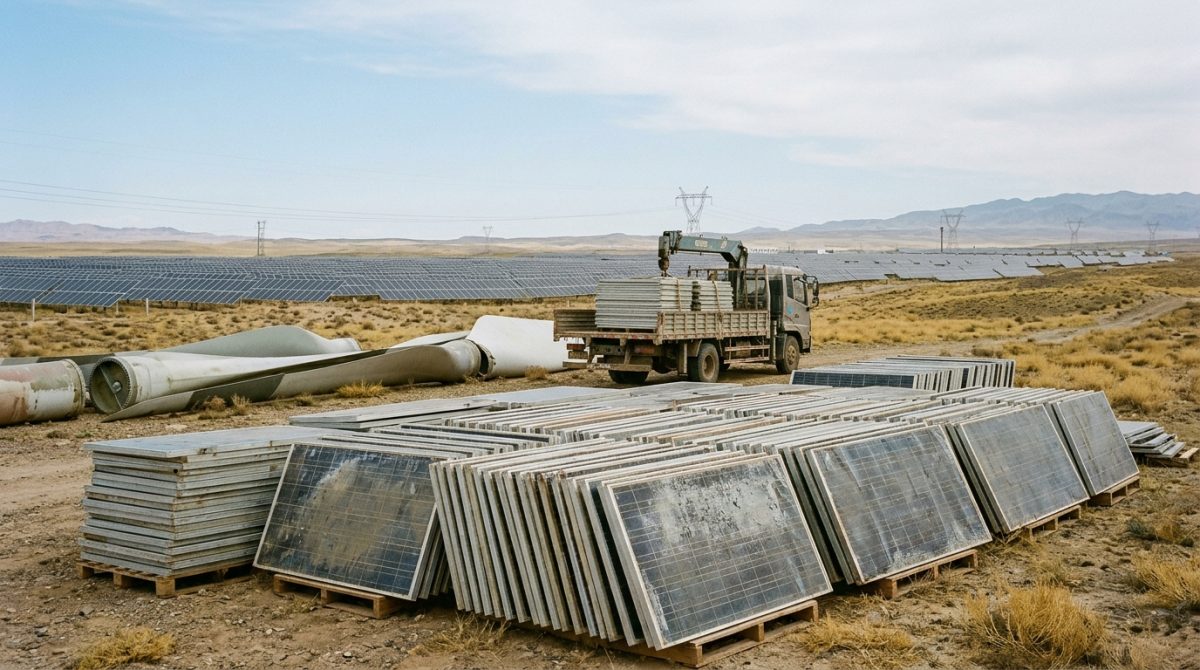
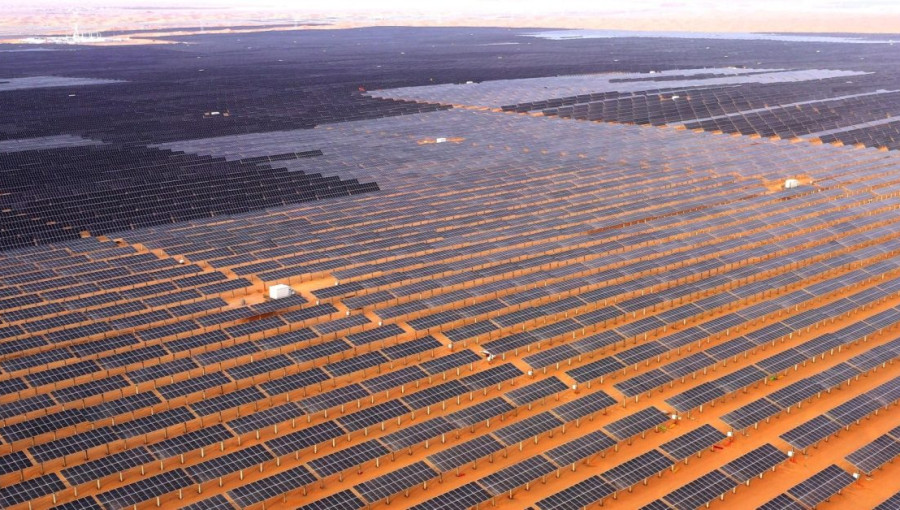
Chinese authorities have established a 2030 deadline to build a more robust management system for the nation's growing volume of photovoltaic waste. Issued by the Ministry of Commerce and several other government departments, the new policy guidance seeks to address the challenge of recycling being more difficult than purchasing equipment by creating a standardized renewable resource recycling framework.
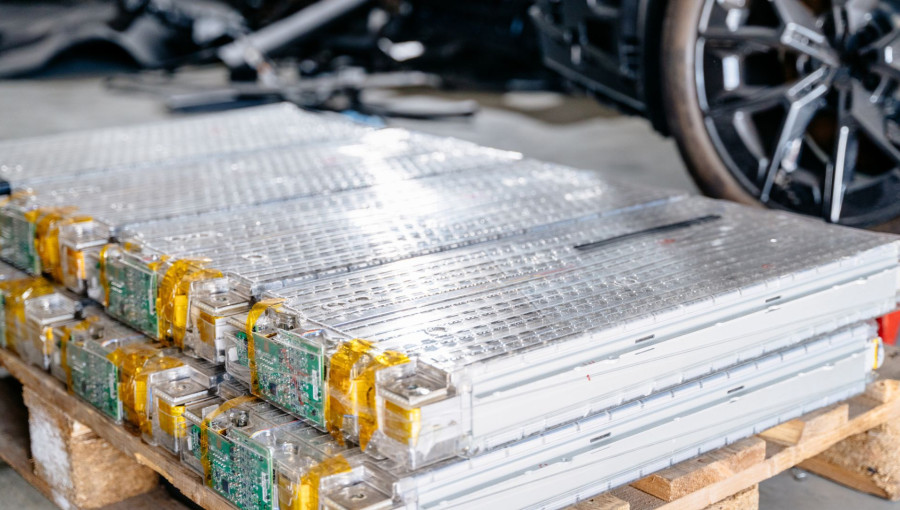
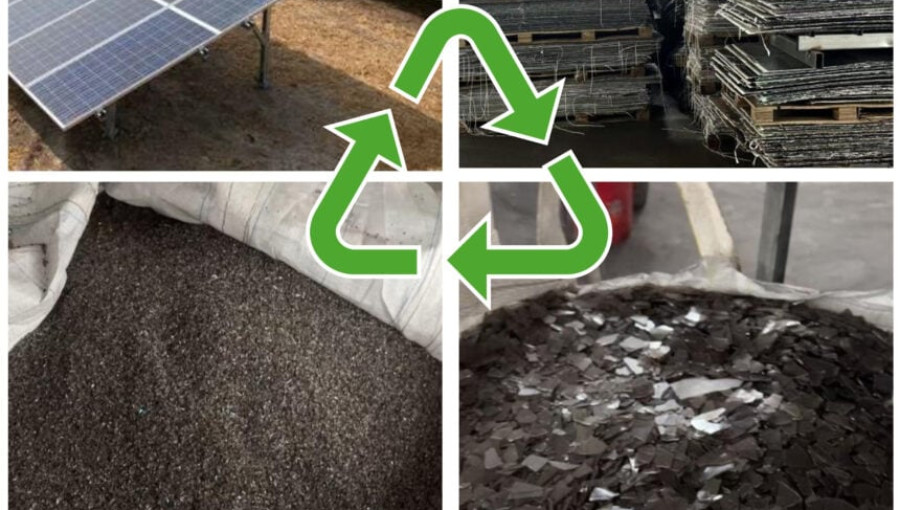
The policy focuses on three primary waste streams: PV modules, wind turbine blades, and batteries. It calls for the development of efficient collection and sorting processes alongside standardized downstream processing. For the solar sector, the guidance encourages state-owned power companies to create market-based mechanisms in partnership with recycling firms to manage decommissioned equipment. Large state-owned enterprises are specifically urged to invest in recycling networks and utilization centers that align with the geographic distribution of clean energy projects.
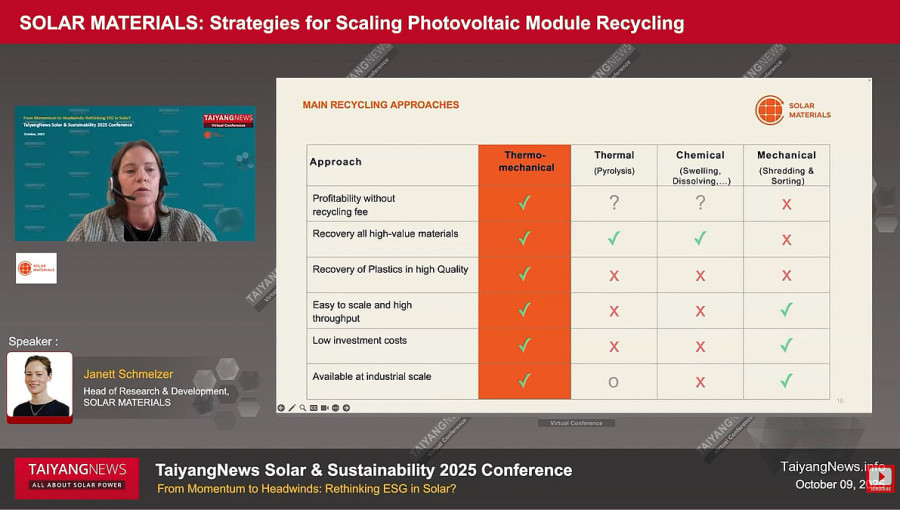
To drive innovation, the guidance promotes the use of artificial intelligence and other advanced technologies to develop new recycling methods. While the document currently serves as an opinion rather than binding legislation, it signals a significant shift in policy direction. The Ministry of Commerce plans to initiate the implementation process through pilot programs and the promotion of successful recycling models.
The government also intends to use these initiatives to inform future legislative efforts. By gathering experience from pilot projects, authorities aim to accelerate the development of formal regulations governing the recycling of renewable energy components. This move is intended to ensure that the country can effectively manage the lifecycle of its clean energy infrastructure as the volume of decommissioned assets increases in the coming years.