China Develops Circular Economy For Massive Solar Waste Wave
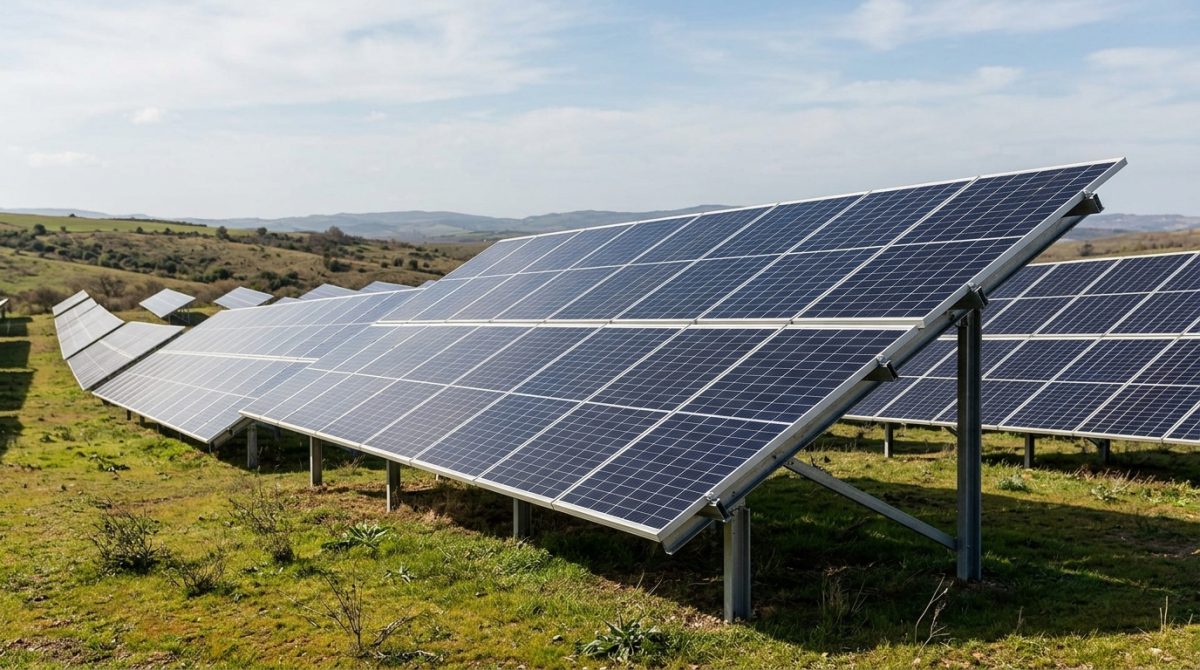
As China solidifies its position as the world’s leading producer and installer of solar photovoltaic (PV) modules, it is simultaneously preparing for a massive surge in end-of-life (EoL) equipment. With cumulative installed capacity reaching 1.24 terawatts by early 2026, projections indicate that China will face its first major decommissioning wave around 2030. This transition presents both an environmental challenge and a strategic resource opportunity, as retired modules contain valuable materials like silver, copper, and high-purity silicon. Consequently, the nation is rapidly developing a comprehensive regulatory and technological framework to foster a circular PV economy.
The scale of this challenge is significant, with estimates suggesting that PV waste could reach 1.5 million tonnes by 2030, potentially climbing to 20 million tonnes by 2050. Because crystalline silicon modules—which dominate the market—contain high concentrations of silver, the economic potential for resource recovery is substantial. Recognizing this, the Chinese government has implemented a robust governance model, including the 2023 ‘Guidance on Promoting the Recycling of Retired Wind Power and PV Equipment’ and a 2024 classification that officially designates PV waste as recyclable rather than hazardous, providing greater operational flexibility for processors.
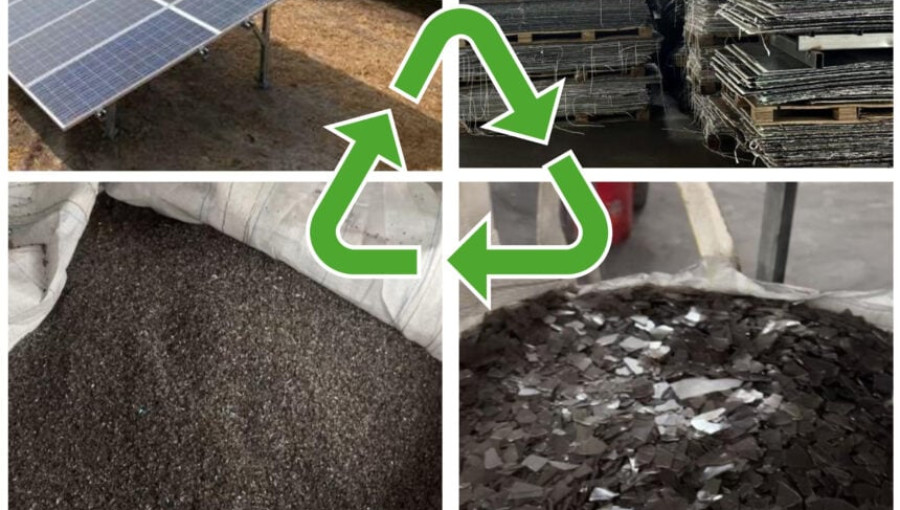
Technologically, the industry is moving from pilot-scale demonstrations toward commercial deployment. Because modules are constructed as laminated "sandwiches," recycling requires sophisticated delamination followed by physical, thermal, or hydrometallurgical processing. While mechanical methods are currently the most mature, research is increasingly focused on hybrid systems that utilize non-toxic chemical alternatives to recover high-value materials like silver. Several major enterprises have already launched pilot facilities, such as containerized recycling lines and integrated systems capable of achieving recovery rates exceeding 92%.
Looking ahead, China’s strategy emphasizes the creation of a closed-loop system where recovered materials are reintroduced directly into the manufacturing cycle. While the nation’s integrated industrial ecosystem and strong central coordination provide a blueprint for other regions, experts note that the success of such models elsewhere will depend on local factors like labor costs and geographic density. By aligning policy incentives with continuous technological innovation, China aims to establish a sustainable, industrial-scale recycling infrastructure that serves as a global model for managing the lifecycle of renewable energy technologies.