Court Rules Biden's Solar Duty Pause Illegal, Sparks Financial Worries

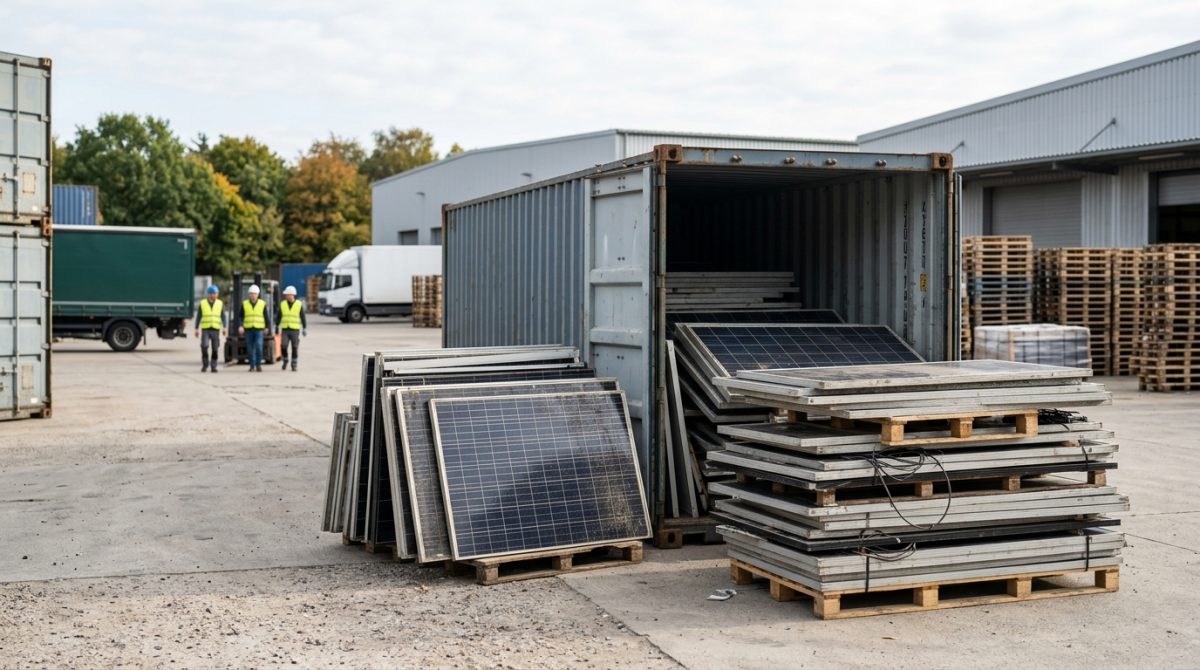
The US Court of International Trade (CIT) has ruled that the Biden administration's pause on antidumping and countervailing duties (AD/CVD) for solar products imported from Southeast Asia was illegal. This decision could lead to US solar companies facing retroactive duties amounting to "tens of billions" of dollars on imports from June 2022 to June 2024. The ruling allows US Customs and Border Protection to collect these duties on solar products imported from Vietnam, Cambodia, Thailand, and Malaysia, raising significant financial concerns within the solar industry and prompting possible legal appeals from affected parties.
The court's decision follows a case brought by Auxin Solar, which claimed that the circumvention of duties through supply chain relocations to Southeast Asia created an unfair and unsustainable market, ultimately harming US manufacturers. The original review found several solar manufacturers guilty of this circumvention, which led to the temporary halt on tariffs that the White House argued was intended to support domestic solar development. However, the resumption of duties could lead to challenges for solar projects already in progress, as companies rush to meet federal tax credit requirements.
Thomas G. Allen and Nate Bolin, lawyers at K&L Gates, indicated that the court's ruling mandates that duties be applied retroactively to imports that were not "liquidated" due to the moratorium. The potential financial impact is significant, with estimates suggesting that retroactive duties could amount to US$54 billion for the period affected. The duties, which can be as high as 238.95% for antidumping and 15.28% for countervailing, vary based on supplier compliance. The Coalition for a Prosperous America has expressed concern that the burden could stunt growth in the solar sector.
From April to June 2024, over 11GW of solar products were imported from Vietnam and Thailand, as Chinese companies ramped up exports in anticipation of impending duties. Allen and Bolin noted that the duties would fall on the "importer of record," though some companies have made contractual arrangements to mitigate the risk. However, the situation may lead to disputes over how different contracts address potential duties.
In light of the ruling, there are discussions about a possible appeal by affected companies and associations like the American Clean Power Association and the Solar Energy Industries Association. An appeal could seek either to delay the collection of duties or challenge their imposition entirely, although some solar manufacturers, like First Solar and T1 Energy, believe the duties could ultimately strengthen their competitive stance in the US market.
The introduction of high duties complicates the economic landscape for solar projects, which are already facing increased costs and a need to adapt to new tax credit rules. Developers are racing to complete projects to qualify for federal incentives, which could further strain supply chains and elevate project expenses. As the court prepares to release more details, the implications of this ruling continue to unfold, influencing both the solar market and broader energy policies in the US.