Data Shows Modern Electric Vehicle Batteries Outlast Expectations
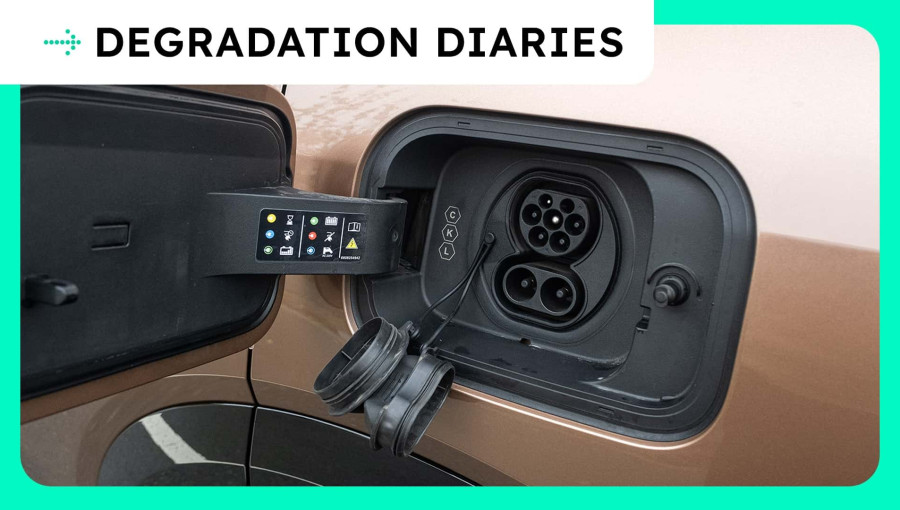
Concerns regarding battery degradation often deter potential buyers from switching to electric vehicles, yet data from high-mileage models suggests these fears are frequently overstated. With many EVs now surpassing 200,000 to 400,000 miles on their original battery packs, evidence shows that modern batteries typically experience a sharp initial decline before stabilizing. While mileage influences wear through repeated charge cycles, factors like thermal management and battery chemistry play a more significant role in long-term health. Ultimately, many high-mileage electric vehicles remain highly functional, often outperforming the longevity expectations typically associated with traditional internal combustion engines.
Real-world examples highlight this durability. A three-year-old Tesla Model 3 with over 217,000 miles, despite heavy use as a taxi, retained 88.5% of its battery capacity. Similarly, a Tesla Model S in the UK reached 430,000 miles on its original battery and motors, losing only a fraction of its original range. While some vehicles show more significant degradation—such as a 2019 Model 3 that saw a 34.2% drop in range after 380,000 miles—these cars remain usable for daily commuting and shorter trips long after their gas-powered counterparts might have reached the end of their service life.
Experts note that battery degradation is not uniform, as it depends heavily on how the vehicle is maintained. Davide Giacobbe, CEO of Voltest, emphasizes that while mileage correlates with charge cycles, the environment and charging habits are critical. Vehicles kept in moderate climates and charged at home generally fare better than those subjected to frequent fast charging in extreme heat. Furthermore, the type of battery chemistry is a major factor; lithium iron phosphate (LFP) batteries have demonstrated superior durability compared to nickel-based chemistries, often retaining over 90% health even after nearly 200,000 miles of heavy fast-charging use.
The architecture of the battery system also dictates longevity. Liquid-cooled battery packs have proven significantly more resilient than air-cooled systems, which have historically struggled with heat management. While battery degradation is a genuine consideration for those purchasing a used electric vehicle, the data indicates that high mileage does not automatically equate to a failing battery. Many packs continue to provide substantial capacity even after hundreds of thousands of miles, challenging the traditional assumption that high-mileage vehicles are nearing the end of their utility.