NASA Honors Breakthrough Battery Safety Technology With Award
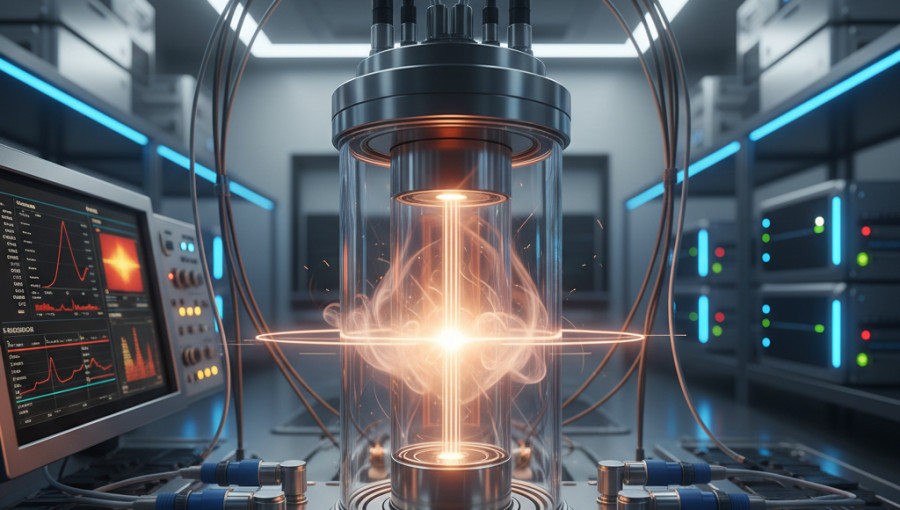
NASA has honored the National Laboratory of the Rockies (NLR) and KULR Technology Group with the 2025 Invention of the Year award. The recognition stems from the development of an internal short-circuit device (ISC-D) designed to trigger controlled battery failures. By implanting this device into lithium-ion cells, researchers can simulate internal manufacturing defects that lead to thermal runaway. This breakthrough allows engineers to develop robust thermal management strategies, ensuring that battery systems in spacecraft and other critical applications can withstand isolated cell failures without suffering catastrophic, system-wide propagation, ultimately enhancing safety for both space exploration and terrestrial technologies.
Understanding how batteries fail is essential for preventing dangerous thermal runaway, a chain reaction where heat from one cell spreads to others. Historically, safety testing relied on external abuse—such as crushing or overheating—which failed to replicate the unique conditions caused by microscopic internal defects. The ISC-D addresses this gap by using a specialized wax-insulated metal disc placed between the anode and cathode. When heated to 57˚C, the wax melts, allowing the metal to create a precise, repeatable short circuit. This process mimics an internal fault, enabling scientists to observe and mitigate the resulting heat release.
The collaboration between NASA and the NLR began in 2010, focusing on creating a reliable method to induce these internal shorts. The project’s success relied on identifying the perfect wax blend—a mix of paraffin and microcrystalline—that was flexible enough for assembly yet rigid enough to prevent accidental activation. This innovation earned an R&D 100 Award and was subsequently licensed to KULR Technology Group. KULR has since advanced the technology by delivering pre-implanted battery cells, allowing for comprehensive safety testing at the system level while adhering to strict protocols to ensure safe transport and handling.
Today, the ISC-D is a standard tool for battery safety, utilized by more than 80 organizations, including major automotive and aerospace companies. By enabling rigorous testing of battery systems for electric vehicles, commercial aircraft, and satellites, the technology has become a cornerstone of modern energy storage safety. The partnership between the NLR and KULR demonstrates the value of cross-industry cooperation in addressing complex engineering challenges. As battery technology continues to evolve, the ability to predict and contain failure remains a vital component in the development of reliable energy storage for demanding environments.