Meyer Werft Unveils World First Electric Cruise Ship
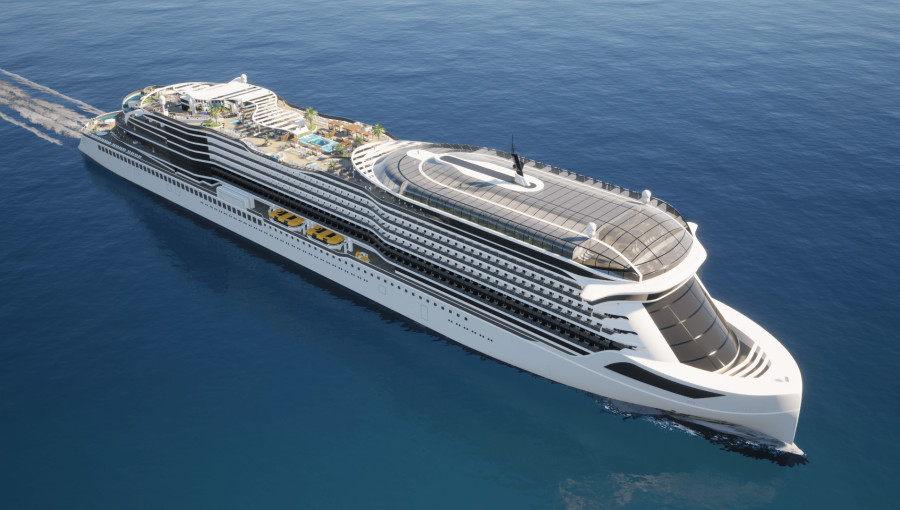
German shipbuilder Meyer Werft has introduced "Project Vision," a groundbreaking concept for the world's first large-scale, fully battery-electric cruise ship. Unveiled at the Seatrade Cruise Global conference, the 275-meter vessel aims to reduce emissions by up to 95 percent using existing maritime technology. Designed to accommodate nearly 1,900 passengers, the ship is optimized for European routes and relies on high-capacity shore-power infrastructure. If orders are placed this year, the first zero-emission vessel could enter service as early as 2031, marking a significant shift toward sustainable maritime travel.
The debut of Project Vision at the Seatrade Cruise Global event in Miami signals a major leap for the cruise industry. The vessel measures approximately 275 meters in length with a gross tonnage of 82,000, providing space for 1,856 passengers. By partnering with Norwegian battery expert Corvus Energy, Meyer Werft intends to prove that large-scale electric propulsion is no longer a distant dream but a viable commercial reality.
Unlike other experimental designs, Project Vision utilizes proven maritime components to ensure scalability and reliability. The ship is primarily designed for European itineraries, where it would utilize high-capacity shore-power stations at major ports for recharging. Industry data suggests that approximately 100 ports across Europe will have the necessary charging infrastructure in place by 2030. For longer voyages or transatlantic crossings, Meyer Werft noted the design could be adapted into a hybrid model featuring small generators to extend its range.
The cruise sector is under increasing pressure to lower its CO2 emission levels, as traditional ships typically rely on heavy fuel or liquefied natural gas, which generate substantial pollutants both at sea and in port. Project Vision stands out due to its massive scale; while other projects like Norway’s Hurtigruten Sea Zero focus on smaller vessels for 500 passengers using solar panel technology and rotor sails, Meyer Werft is targeting the mainstream cruise market. Johannes Bade, who leads the development program, emphasized that this concept provides a competitive and profitable path toward long-term sustainability.
According to Meyer Werft, the technology is mature and ready for immediate implementation. If cruise operators commit to the design within the current year, the first ship could be delivered by 2031. This development is expected to accelerate global investment in port infrastructure and redefine how the industry approaches fleet modernization in an era of tightening environmental regulations. Corvus Energy CEO Fredrik Witte added that scaling to fully electric ships demonstrates that the technology is safe and ready to transform the global maritime landscape.