General Motors Partners With Peak Energy For Sodium Batteries
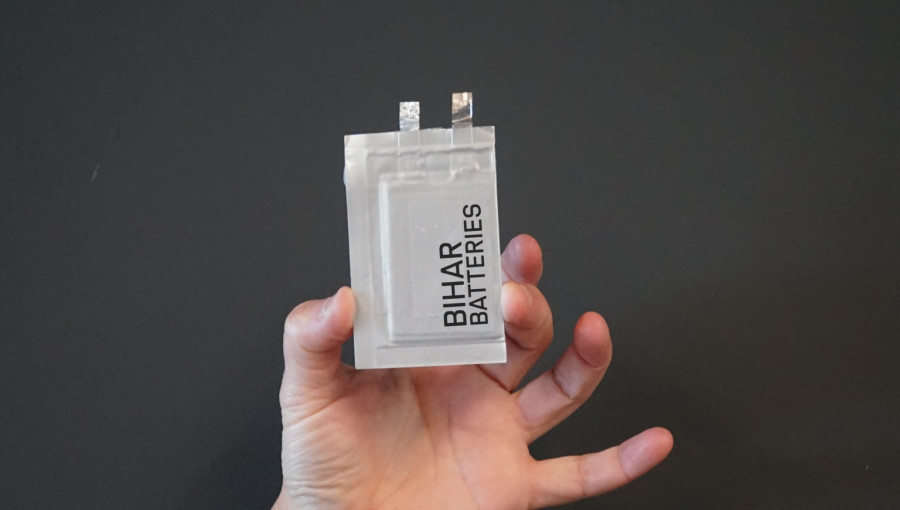
General Motors has announced a strategic partnership with U.S. startup Peak Energy to develop sodium-ion battery technology for grid-scale energy storage. As demand for power-hungry AI data centers drives a surge in the energy storage market, GM is diversifying its battery portfolio beyond traditional lithium-ion chemistries. By leveraging the abundance and resilience of sodium, the automaker aims to create more cost-effective and durable storage solutions. While high-volume production remains on the horizon, the initiative marks a significant step in GM’s broader strategy to secure a flexible, multi-chemistry approach to meeting the nation’s growing energy needs.
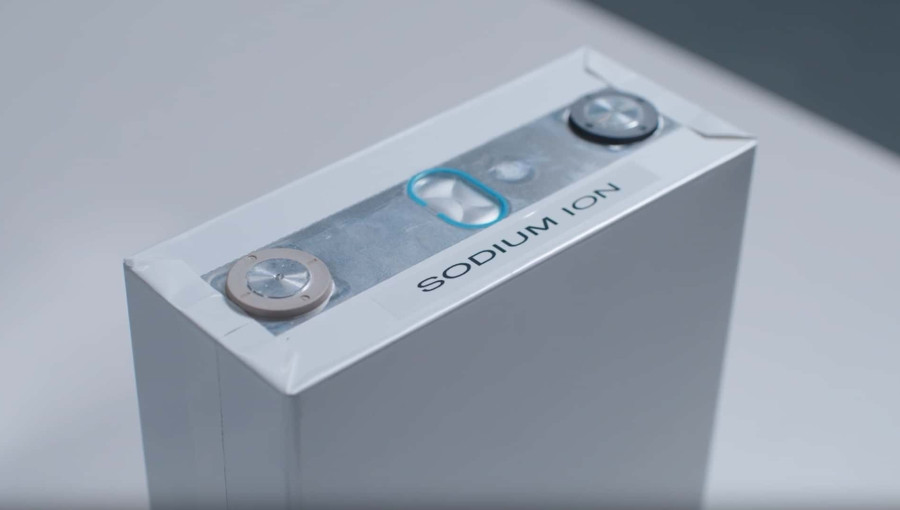
Sodium-ion batteries offer distinct advantages over current industry standards, primarily due to the raw material's widespread availability and lower environmental impact. According to GM, these cells perform reliably across a wider range of temperatures and boast a longer cycle life. Furthermore, because sodium-ion systems can function without active cooling, they allow for a simplified, lower-maintenance design. Peak Energy has already demonstrated this potential by deploying a passively cooled, grid-scale sodium-ion battery system in Colorado, proving the technology's viability for stationary storage applications.
While lithium-iron phosphate (LFP) batteries currently dominate the energy storage market, GM believes that sodium-ion technology holds greater potential for future performance gains. The company argues that LFP improvements are beginning to plateau, whereas sodium-ion is still in the early stages of its development curve. Although Chinese manufacturers currently hold a lead in this space, GM is positioning itself to compete by integrating sodium-ion alongside its existing LFP and lithium manganese rich (LMR) cell formats. This multi-faceted approach reflects the company’s belief that no single battery chemistry will serve every application.
In the near term, GM continues to bolster its energy storage capabilities through other channels. Its Ultium Cells joint venture with LG Energy Solution is preparing to produce LFP batteries, while the company is also collaborating with Redwood Materials to repurpose used electric vehicle batteries for data center power. Additionally, GM is installing second-life battery packs at its Michigan facilities to reduce electricity costs. By investing in diverse technologies like sodium-ion, GM aims to maintain flexibility and resilience in an evolving energy landscape where different use cases require specialized storage solutions.