Germany May End Subsidies For Small Rooftop Solar
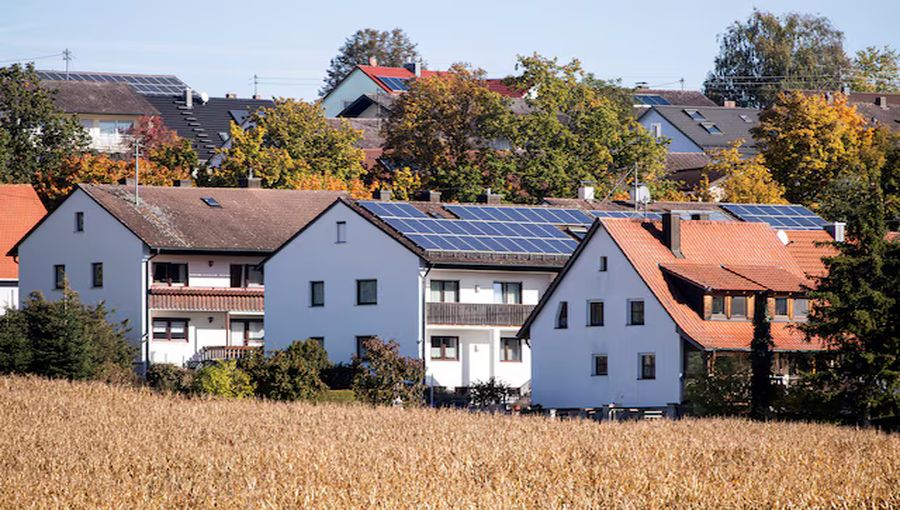
The German government is considering a significant policy shift that could end guaranteed financial support for small-scale rooftop solar installations. According to a leaked draft from the Economy Ministry, private solar panel systems with a capacity of up to 25 kilowatts may soon be excluded from the national feed-in remuneration scheme. Officials argue that falling installation costs and high self-consumption rates have made these systems naturally profitable, reducing the need for public subsidies. However, industry leaders and environmental advocates warn that the move could jeopardize climate goals and thousands of jobs.
The proposed reform to the Renewable Energy Act (EEG), expected to be finalized later this year, suggests that small-scale residential solar panel installations no longer require the 20-year guaranteed payment structure that has underpinned Germany’s energy transition for decades. The Economy Ministry, led by Katherina Reiche, maintains that the current system lacks cost efficiency and that taxpayers are effectively subsidizing projects that are already financially viable. Furthermore, officials noted that the rapid expansion of decentralized solar power is placing significant pressure on grid capacity and system integration.
The renewable energy sector has reacted with sharp criticism to the leaked proposal. The Renewable Energy Federation (BEE) described the potential cuts as a direct assault on the transition to clean energy. BEE President Ursula Heinen-Esser warned that the measures, which include a requirement for mandatory direct marketing of generated electricity, could have "disastrous consequences" for the industry. She argued that the plan contradicts the government's stated commitment to expanding renewables and could undermine the country’s resilience to future energy crises.
The solar industry group BSW Solar echoed these concerns, estimating that the reform could lead to the loss of tens of thousands of jobs and make CO2 emission reduction targets impossible to reach. Carsten Körnig, head of the association, emphasized that guaranteed remuneration remains a cornerstone of economic viability for private homeowners. He also pointed out that the infrastructure required for mandatory direct marketing, specifically widespread smart metering systems, is not yet sufficiently developed to support such a transition.
Political opposition has also mounted, with the Green Party linking the solar cuts to broader concerns over heating energy regulations. Critics argue that the government’s approach will lead to higher costs for consumers while slowing the deployment of clean technologies. While Minister Reiche contends that these steps are necessary to manage costs and allow grid expansion to catch up with production capacity, opponents fear the policy will ultimately protect fossil-fuel-based business models at the expense of the climate.