Global Electric Vehicle Sales Set To Reach Record Levels

Global adoption of electric vehicles is reaching a significant milestone, with the International Energy Agency projecting that 28% of all new cars sold this year will be battery-powered. While the United States faces a decline in new EV sales due to policy headwinds and market stagnation, the rest of the world is accelerating the transition. Rapid growth is particularly evident in China, Europe, and across Asia, where affordable models and strict emissions standards are driving consumer demand. As fossil fuel prices remain volatile, the economic argument for electrification is becoming as influential as environmental goals in reshaping the global automotive market.
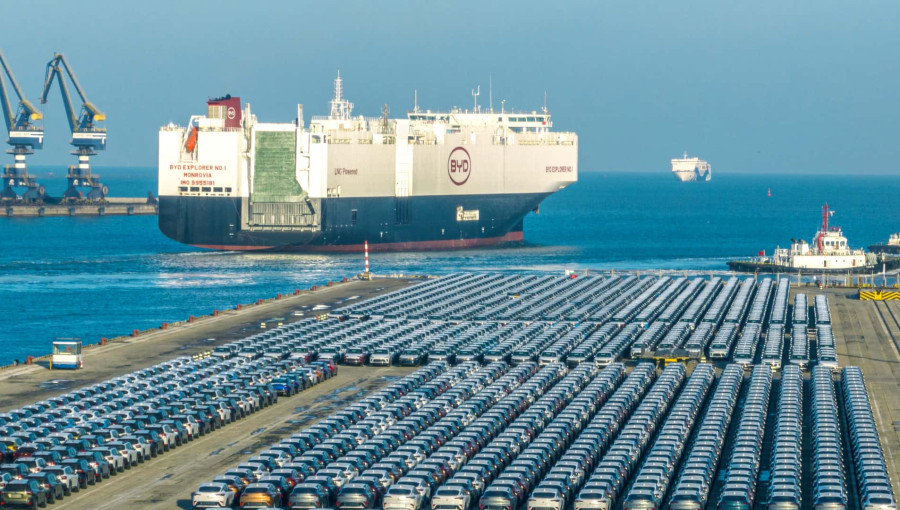
The contrast between the U.S. market and the rest of the world is stark. In the United States, electric models account for only about 10% of new car sales, marking a second consecutive year of decline for the sector. Conversely, China—the world’s largest car market and a dominant force in battery manufacturing—is seeing nearly 60% of its new vehicle sales shift to electric. This momentum is mirrored across other Asian nations, where sales are projected to jump by more than 50% this year, largely fueled by the influx of competitively priced Chinese-made electric vehicles.
Europe is also seeing robust growth, with electric vehicles expected to represent one-third of new car sales in the region. While Norway remains a leader in adoption, significant gains are being recorded in Germany, the United Kingdom, and Turkey, supported by stringent regional emissions standards. Although electric vehicles currently constitute only about 5% of the total global car fleet, the long-term trajectory is clear. The International Energy Agency anticipates that by 2035, half of all new cars sold worldwide will be electric, with that figure potentially reaching 90% within China and the European Union.
Geopolitical instability, including the conflict in Iran, is further accelerating this shift by driving up gasoline prices and creating fossil-fuel shortages. For countries heavily dependent on imported oil, the transition to electric transportation has become a matter of energy security. As the cost of battery-powered vehicles continues to fall and the instability of traditional fuel markets persists, the transition away from internal combustion engines is increasingly being dictated by economic necessity rather than climate policy alone.