Waymo Repurposes Retired Robotaxi Batteries For Grid Storage
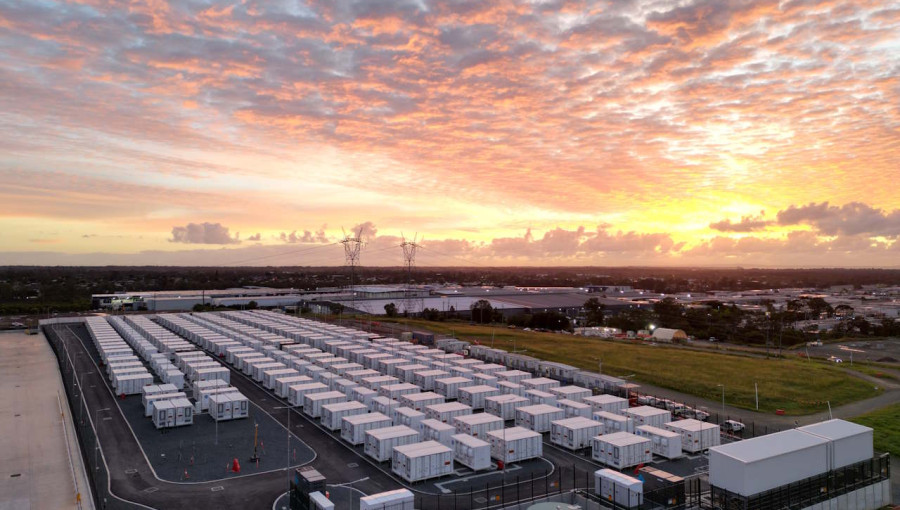
Waymo has entered into a strategic partnership with B2U Storage Solutions to repurpose retired electric vehicle batteries for stationary energy storage. By transitioning battery packs from its robotaxi fleet into grid-scale storage systems, Waymo aims to deploy hundreds of megawatts of capacity across California and Texas. These repurposed batteries will capture excess energy generated by intermittent renewable sources, allowing for the release of power during periods of peak demand. This initiative highlights a broader industry shift toward extending the lifecycle of EV batteries, ensuring they remain functional for grid support long after their automotive utility concludes.
The collaboration focuses on utilizing battery packs that, while no longer suitable for the rigorous demands of robotaxi operations, retain significant capacity for stationary use. Even when a battery’s range drops to 50% or 60% of its original rating, it remains highly effective when aggregated with hundreds of other units. B2U Storage Solutions has already demonstrated the viability of this approach, managing projects that integrate hundreds of retired battery packs to stabilize energy grids. This method avoids the immediate need for intensive recycling or remanufacturing processes, offering a more sustainable path for managing aging vehicle components.
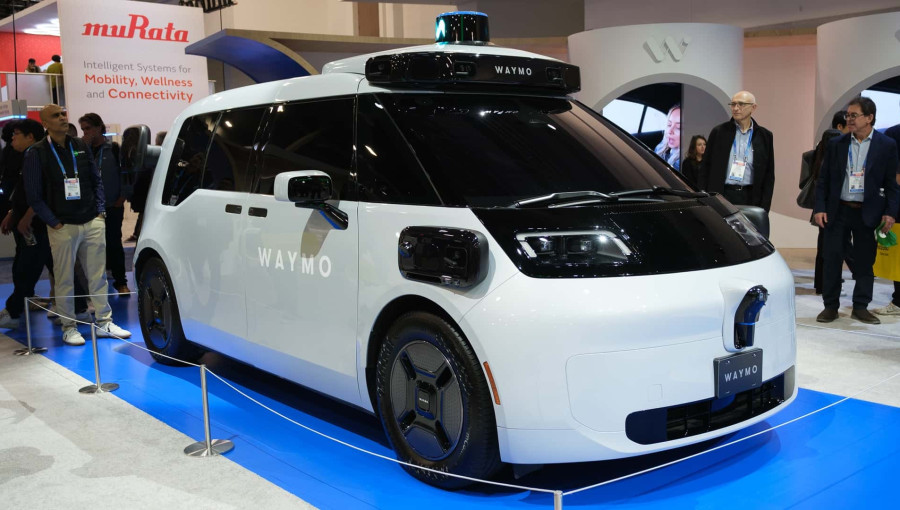
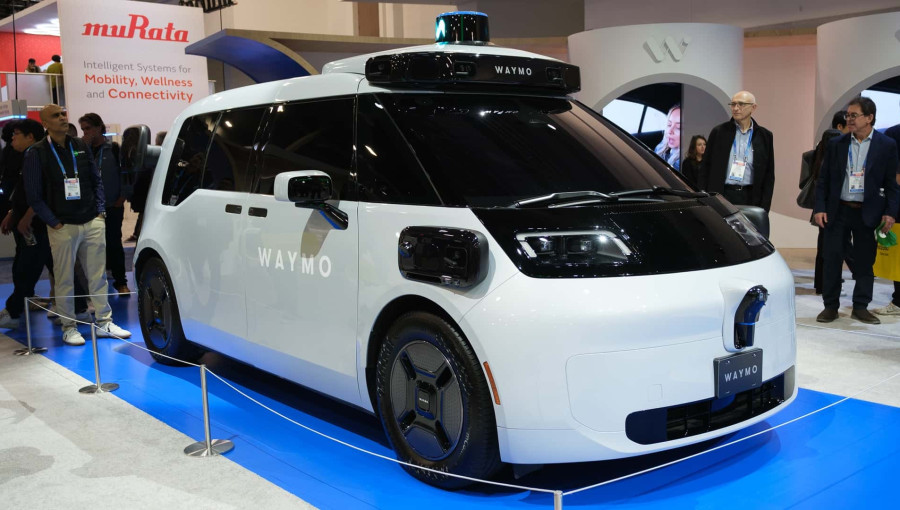
Waymo’s fleet, which has long relied on the Jaguar I-Pace, is currently evolving to include new models such as the Zeekr-built Ojai van and the Hyundai Ioniq 5. As these diverse vehicles eventually reach the end of their service life, the volume of available batteries for secondary applications is expected to grow. This trend is gaining momentum across the automotive sector, with major manufacturers like General Motors and Rivian also pursuing similar strategies to convert spent EV batteries into reliable storage banks. Such efforts are becoming a standard practice for managing the lifecycle of electric vehicle technology.