IEA Report Analyzes Second Life Solar Module Market
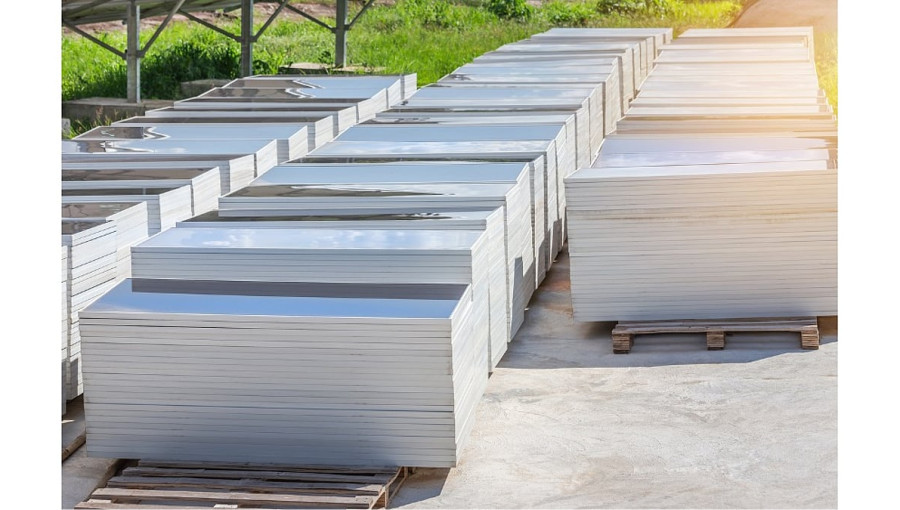
A new report from the International Energy Agency Photovoltaics Power Systems Programme (IEA PVPS) explores the viability of the second-life solar module market as global capacity surpasses 2 TW. While refurbishing solar PV modules is technically feasible, the sector faces steep economic challenges due to high labor costs and the falling price of new technology. The report advocates for automated testing and standardized regulations to ensure safety and bankability. Ultimately, transitioning to a circular economy requires manufacturers to design modules for easier repair and the establishment of clear international quality frameworks.
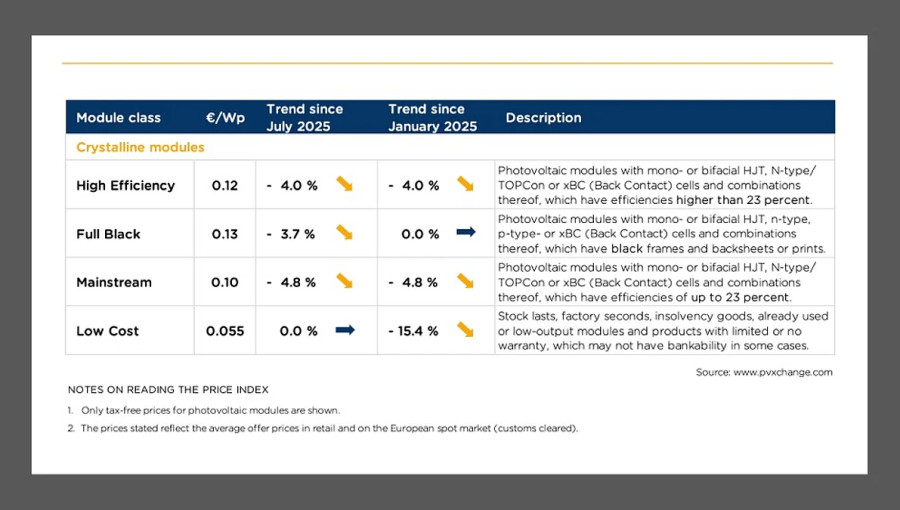
As the world seeks to manage the growing volume of decommissioned solar equipment, the IEA PVPS Task 13 report suggests that extending the lifespan of solar PV modules through repair and reuse is a critical strategy. Technical assessments show that common issues, such as junction box failures, cracked backsheets, and solder bonding defects, can be successfully remediated. However, these processes remain labor-intensive and expensive, making it difficult for refurbished products to compete with the rapidly declining costs of new solar modules.
To achieve commercial scale, the report emphasizes the necessity of automated testing systems. Implementing high-speed I-V characterization, electroluminescence (EL) imaging, and insulation resistance testing allows facilities to efficiently sort modules into reuse, repair, or recycling streams. Pilot programs in France, involving organizations like ENGIE Green and CEA INES, have already demonstrated that a "detect-repair-reuse" methodology can extend the operational life of a solar module by at least a decade.
The integration of second-life modules with second-life batteries also shows promise for self-consumption applications, helping users lower CO2 emission levels and avoid volatile energy prices. Despite these benefits, the economic advantage over new battery systems remains marginal. Furthermore, the second-life market is currently hindered by a lack of transparency. Many modules are sold through online platforms without verified safety or performance data, leading to concerns regarding long-term reliability and insurance eligibility.
Looking forward, the IEA PVPS recommends that the industry adopt standardized qualification criteria and align with international IEC frameworks. Manufacturers are also encouraged to provide detailed bills of materials (BOMs) to facilitate easier repairs. Without these regulatory and design shifts, the report warns that second-life solar modules will struggle to gain the trust of investors and large-scale operators. Policy interventions, such as subsidies or circular economy mandates, may be necessary to bridge the price gap and foster a robust secondary market.