Japanese AI Drones Revolutionize Forest Planting
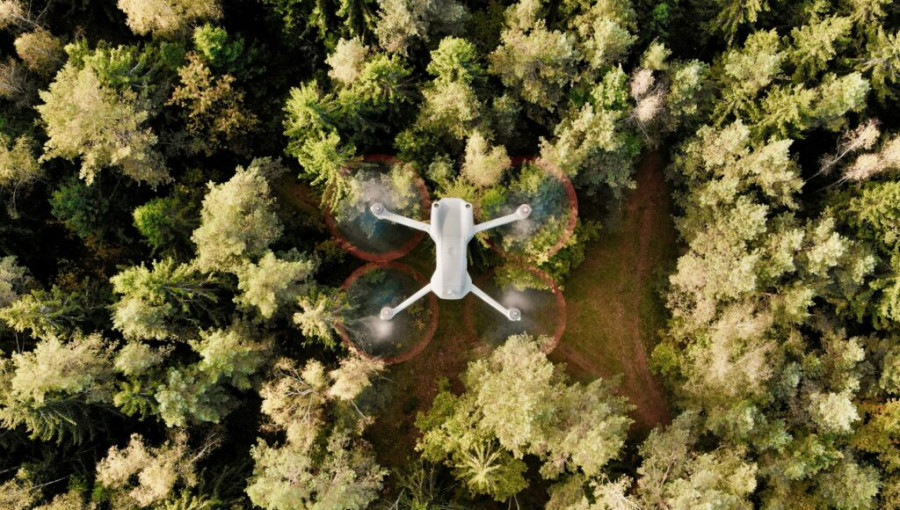
Japanese researchers have developed a pioneering reforestation system using autonomous drones capable of planting trees ten times faster than human teams. This innovative approach utilizes artificial intelligence and LiDAR scanning to map terrain and identify optimal planting locations. The drones then deposit specialized biodegradable seed pods packed with nutrients to enhance germination. With high success rates demonstrated in difficult environments, this technology presents a significant advancement in addressing global deforestation and accelerating large-scale forest restoration projects.
A new generation of autonomous drones from Japan is poised to revolutionize large-scale reforestation, operating at a pace that significantly outpaces conventional methods. This system integrates artificial intelligence with advanced robotics to overcome many of the persistent challenges that have limited the success of past tree-planting initiatives, offering a scalable solution to a global problem. The technology's core advantage lies in its speed and precision, enabling rapid restoration of vast and often inaccessible landscapes.
The process begins before any seeds are planted. AI-powered drones first conduct detailed environmental assessments using LiDAR scanning to create precise, three-dimensional maps of the target area. This data, combined with soil analysis, allows the system to pinpoint the most suitable microsites for new trees, maximizing their chances of survival. Following this mapping phase, the drones deploy specially engineered biodegradable seed pods. Each pod acts as a miniature life-support system, containing selected seeds along with vital nutrients and beneficial fungi to promote germination and sustain early growth.
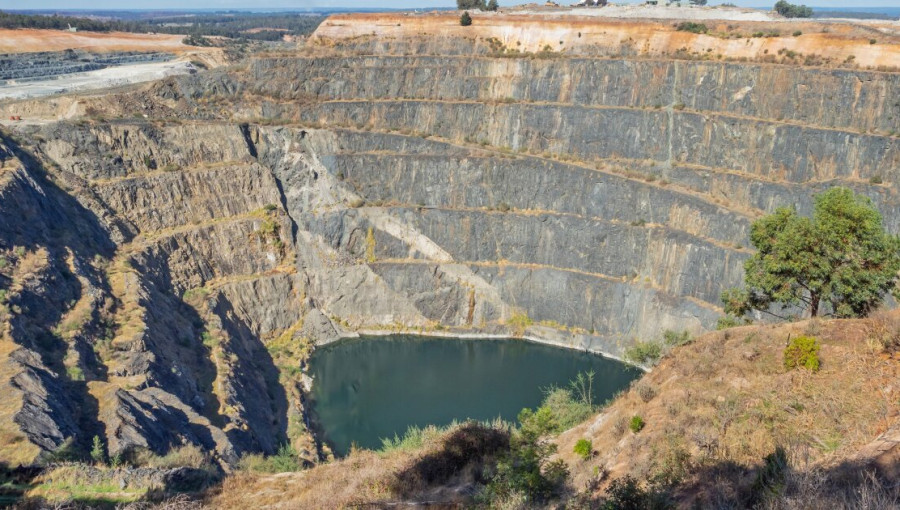
Field trials have already confirmed the system's impressive effectiveness. In wildfire-damaged regions around Kumamoto, Japan, an area characterized by difficult terrain and harsh growing conditions, the drone-based method achieved germination success rates of over 80 percent. This outcome is a substantial improvement over the results often seen in traditional replanting projects, which frequently struggle in such challenging environments.
This technological leap directly addresses the urgent need for speed and scale in the face of global deforestation, where an estimated 15 billion trees are lost annually. The automated drones can operate continuously and access remote or hazardous locations, such as steep mountain slopes, landslide zones, or industrially contaminated sites that are unsafe for human crews. Efficiency is further amplified through swarm robotics, which allows a single operator to manage an entire fleet of drones working in unison. The AI coordinates their movements to ensure complete coverage without overlap, dramatically reducing labor costs.
Furthermore, the system’s intelligence helps to prevent common failures that plague many restoration efforts. By analyzing complex ecological data and projecting future climate scenarios, the AI selects native tree species that are best suited for a specific location. This data-driven approach improves long-term survival rates and avoids the risks associated with planting inappropriate or non-native species. The drones also provide a long-term monitoring solution, programmed to return to planting sites to track forest health and identify areas requiring further intervention, a crucial step missing from many "plant and forget" projects.
While this innovation holds immense promise for global initiatives aiming to restore forests and capture significant CO2 emissions, experts emphasize that it is a tool, not a panacea. The primary importance of protecting existing, mature forests remains, as they are far more effective at storing carbon than newly planted seedlings. Consequently, AI-driven reforestation must be integrated into a comprehensive strategy that includes robust and aggressive measures to prevent deforestation from occurring in the first place.